
Caterpillars Count: Connecting People With Nature
By Surveyor Efik
Nature has a remarkable way of teaching us when we take time to observe it closely. During my internship with EcoSpark, I had the privilege of participating in the Caterpillars Count citizen science project, an experience that transformed the way I view nature and strengthened my commitment to environmental stewardship. Before joining the project, I admired trees, parks and green spaces without fully appreciating the intricate web of life they support. Through Caterpillars Count, I discovered that even the smallest organisms, such as caterpillars, play vital roles in maintaining healthy ecosystems. My internship showed me that connecting with nature does not require travelling to remote wilderness areas; it can begin by carefully observing the biodiversity in our own communities.
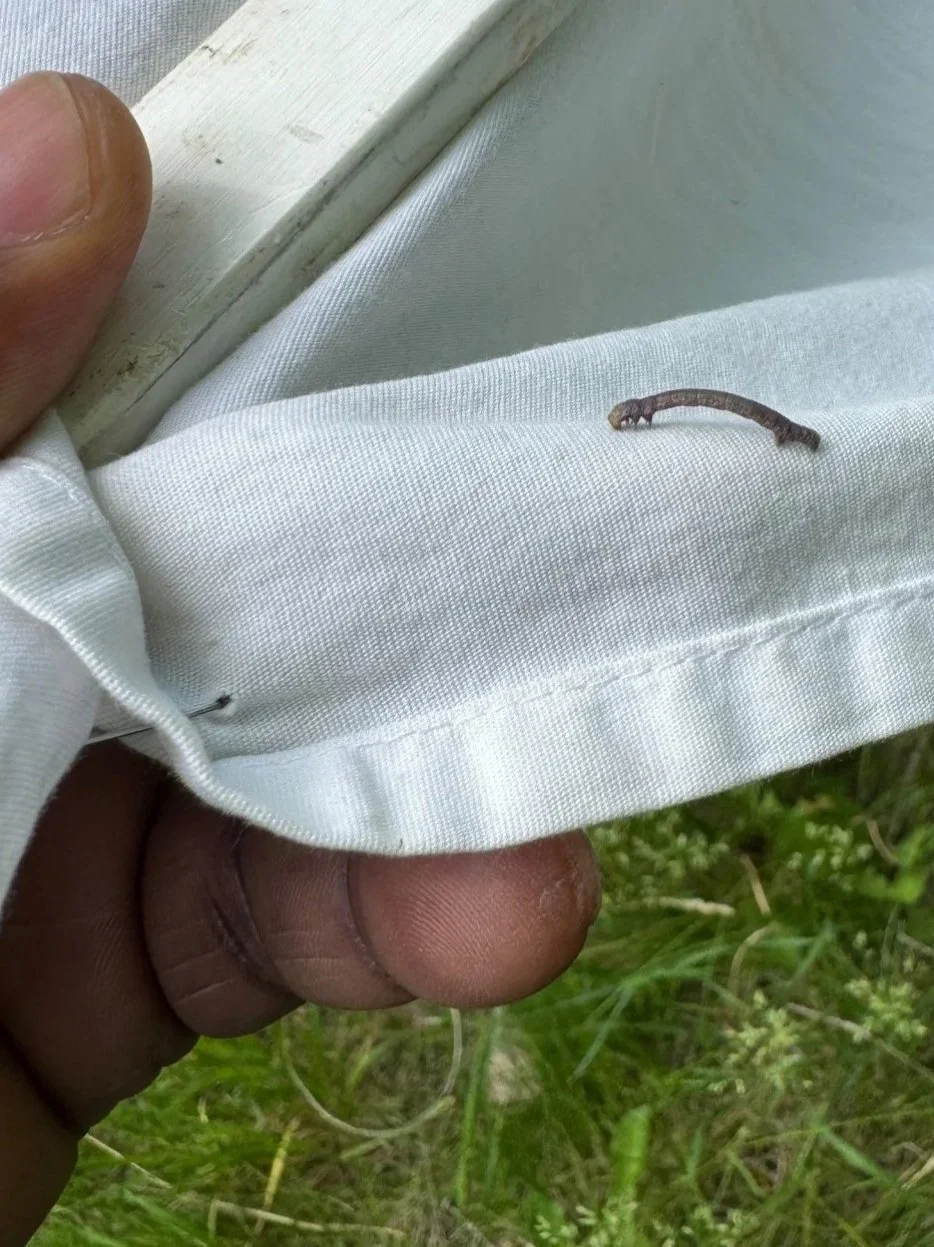
Caterpillars Count builds environmental skills in project management, while contributing valuable monitoring data for climate research.
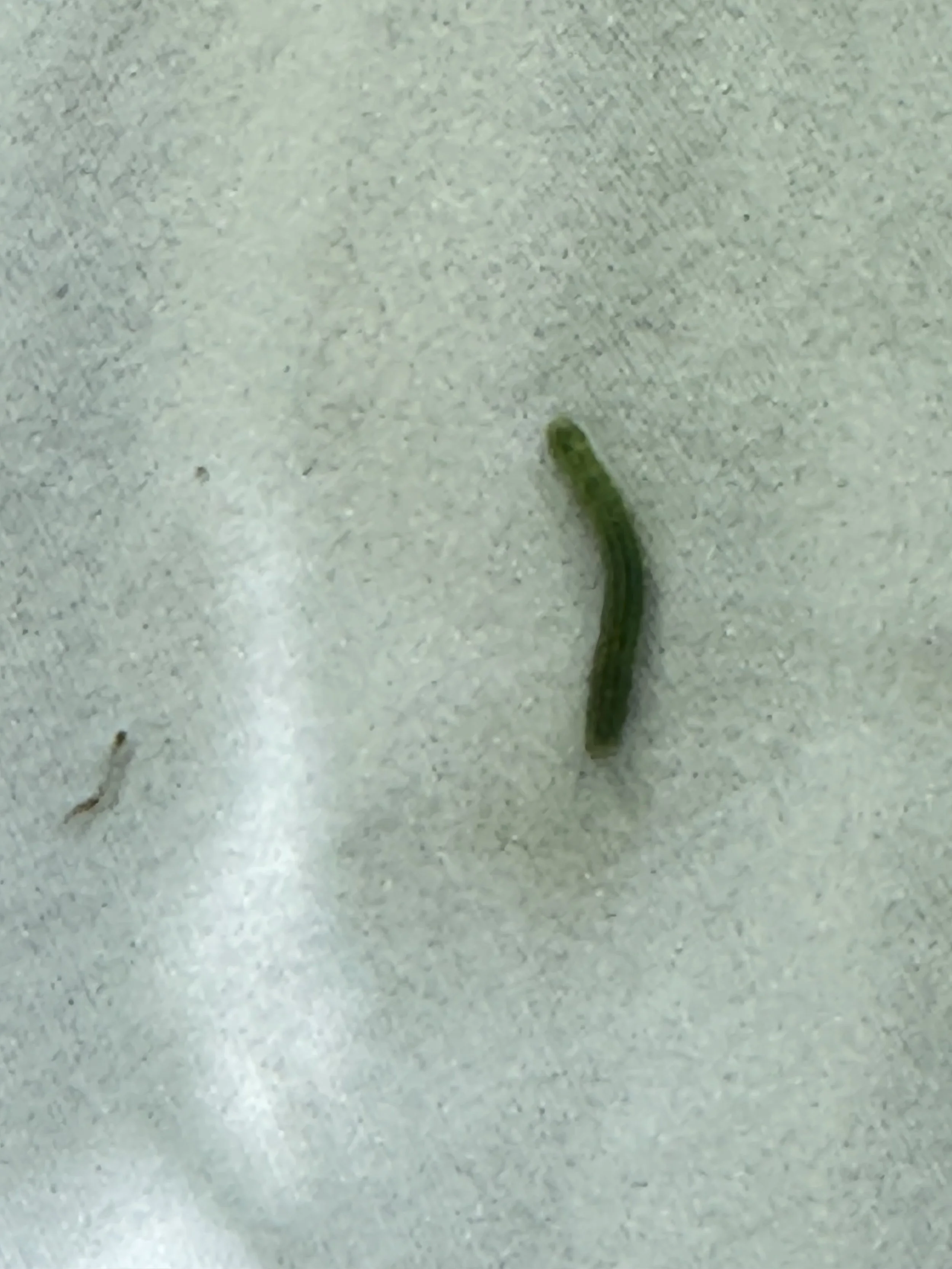
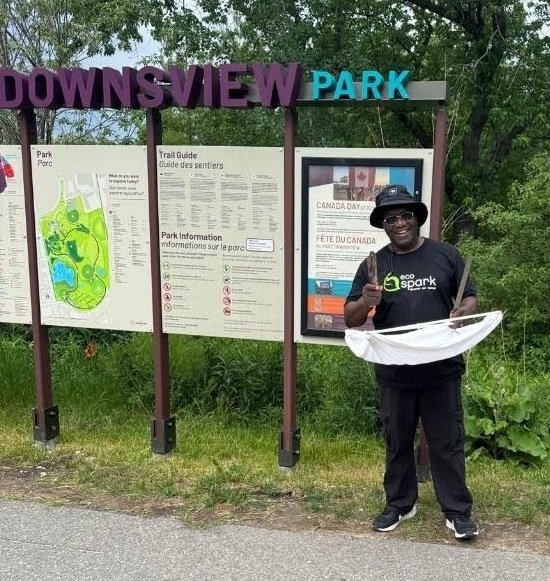
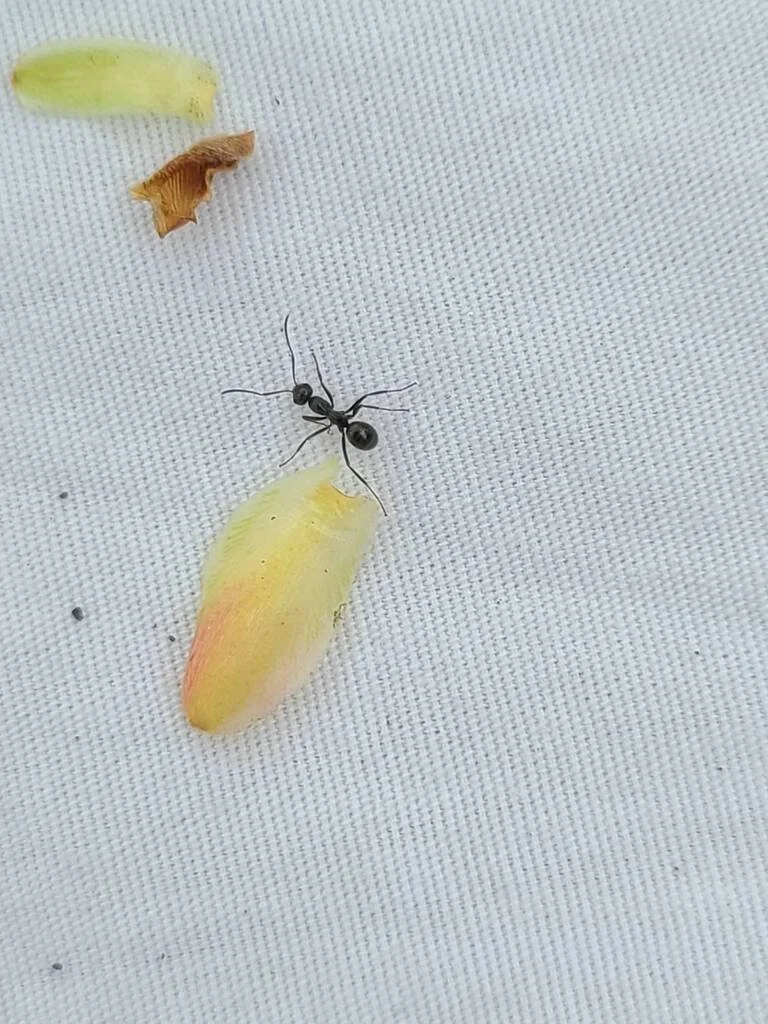
Caterpillars Count engages public volunteers in monitoring caterpillars and other arthropods on trees and shrubs. By collecting and recording observations, participants contribute valuable scientific data that help researchers understand changes in insect populations, seasonal patterns, and ecosystem health. As an Intern, I conducted field surveys, identified arthropods, recorded observations, and learned the importance of patience, accuracy, and curiosity. What initially appeared to be ordinary vegetation soon became a vibrant habitat teeming with insects, birds, squirrels, and countless ecological interactions. The experience taught me that biodiversity often goes unnoticed because we seldom take time to look closely. The project also deepened my understanding of ecological significance of caterpillars. Although small, they are essential members of food webs, serving as a primary food source for birds and other wildlife while helping to maintain ecological balance. Their abundance and seasonal timing provide valuable insights into ecosystem health and environmental change. Observing these relationships reinforced my appreciation of the interconnectedness of all living things and the importance of protecting biodiversity.
Beyond its scientific value, Caterpillars Count demonstrated the power of citizen science in connecting communities with nature. It showed me that environmental conservation is not sorely the responsibility of scientists or environmental organizations. Ordinary people can make meaningful contributions by observing nature, collecting reliable data, and participating in environmental research. Through this project, I witnessed how public participation strengthens scientific knowledge while fostering environmental awareness, stewardship, and a sense of shared responsibility of protecting our natural world.
As an Environmental Studies student specializing in Environmental Arts and Justice, the internship complemented my academic studies with valuable hands-on experience. Concepts such as biodiversity, ecosystem health, environmental stewardship, and huma-nature relationship became tangible through direct field observations. More importantly, I realized that environmental education is most effective when scientific knowledge is contributed with lived experience. The internship encouraged me to become more observant, patient and connected to the natural world, reminding me that meaningful environmental action begins with awareness. When people learn to notice and appreciate the living world around them, they are more likely to care for and protect it.
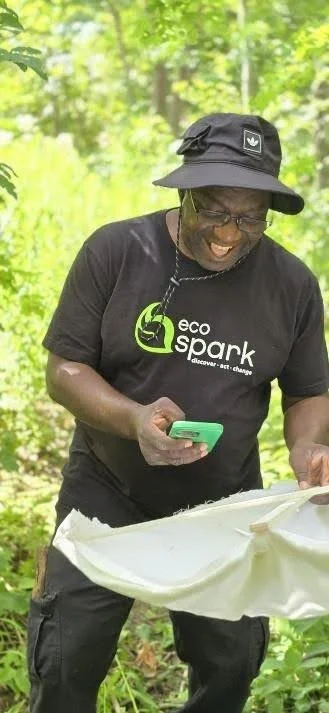
One of the most rewarding aspects of my internship was realizing that every observation matters.
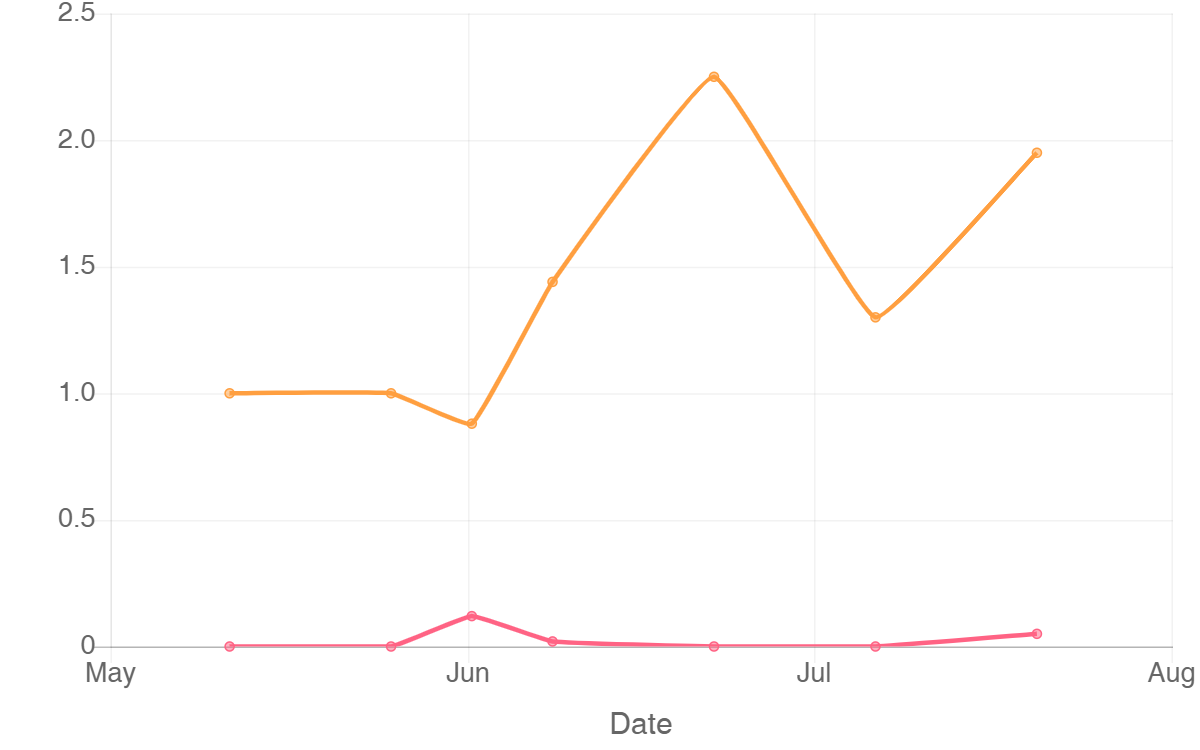
Recording the presence or absence of caterpillars may seem like a small task, but when combined with thousands of observations collected by volunteers across different locations, the data become an invaluable resource for scientific research. This collective effort illustrates how individual actions can contribute to broader understanding of ecological change and biodiversity conservation. Perhaps the most transformative aspect of my experience was the time I spent immersed in nature. During each of my 22 field visits with 157 arthropods surveys, I spent two to three hours surrounded by trees, arthropods, squirrels, birds, and countless other forms of life over a period of more than two months. These repeated encounters profoundly changed my relationship with the natural environment. I came to appreciate not only the beauty of individual species but also the intricate ecological relationships that sustain healthy ecosystems. Gradually, I developed a genuine sense of belonging and kinship with nature. This experience convinced me that the Caterpillars Count Citizen Science Project is far more than a biodiversity monitoring initiative. It is an invitation for people to cultivate a meaningful relationship with nature – to observe carefully, ask questions, contribute to scientific knowledge, and ultimately make kin with the living world. By encouraging curiosity and attentive observation, the project nurtures a deeper appreciation for the ecosystems that sustain us.
I am deeply grateful to EcoSpark for providing this invaluable learning opportunity. The painstaking guidance, encouragement, and support I received, especially from my Coordinator, Dana Buchbinder, throughout my internship made the experience both educational and inspiring. It strengthened my passion for environmental stewardship and reaffirmed my belief that protecting nature begins with understanding it. As our world faces increasing challenges from climate change, habitat loss, and biodiversity decline, initiatives like Caterpillars Count remind us that everyone has a role to play in conservation. Small actions – such as observing a leaf, recording a caterpillar, or participating in a citizen science project – can contribute to a much larger effort to understand, appreciate, and protect our environment. My internship with EcoSpark has shown that nature is both a classroom and a teacher. Caterpillars may be small, but they tell a much larger story – one of science, stewardship, and the enduring connection between people and nature.
References
https://caterpillarscount.unc.edu/
https://www.ecospark.ca/caterpillarscount
Surveyor Efik is a final-year Environmental Studies student at York University, specializing in Environmental Arts and Justice. He recently completed an EcoSpark student placement as a Caterpillars Count citizen science researcher, where he contributed to hands-on climate impact monitoring in communities while supporting EcoSpark’s environmental mission. Passionate about climate action, he blends creativity with advocacy, using ecopoetry to inspire awareness and change. He is the bestselling author of The Sky Cries (2024), a climate poetry collection that promotes climate literacy and empowers communities to act.