The Diversity of Disability in the Sciences: How Accessible can a Biology degree be?
I spent the majority of my school years wondering what other students and adults thought of me. I was confused why they treated me differently. There was a look on their face that I just couldn’t understand, all I could do was ignore it. A few years into my undergraduate degree I realized I was struggling in a way none of my friends were. I struggled to exist in exam rooms, to initiate “easy” tasks, focus on “simple” lectures, to feed myself, to get my scrambled thoughts onto paper, and to sit still to write a lab report– I just couldn’t understand why. After a long waitlist I got my answer, an ADHD diagnosis.
But the knowledge and diagnosis didn’t immediately make school easier. It highlighted all the areas in my life that I needed more support - support that I felt I wasn’t getting.
Existing in school shouldn’t be a challenge, yet for many students it is. It can be difficult to communicate one’s needs and limitations. Day-to-day activities can be affected by the lack of accessibility, lack of access to medical systems, unpredictability of symptoms, and encounters with ableism. For some individuals, their work or school environment may not be a safe place to disclose their disability.
I found communicating my struggles to be confusing. At times, it felt like I was talking about someone else, or I felt like I had to prove my problems. There’s confusion when making new friends and not knowing when to share these details about myself– it is an exhausting socializing dance. There’s frustration when I think about all the adults who could have recognized the signs early on and accessed the support they needed.
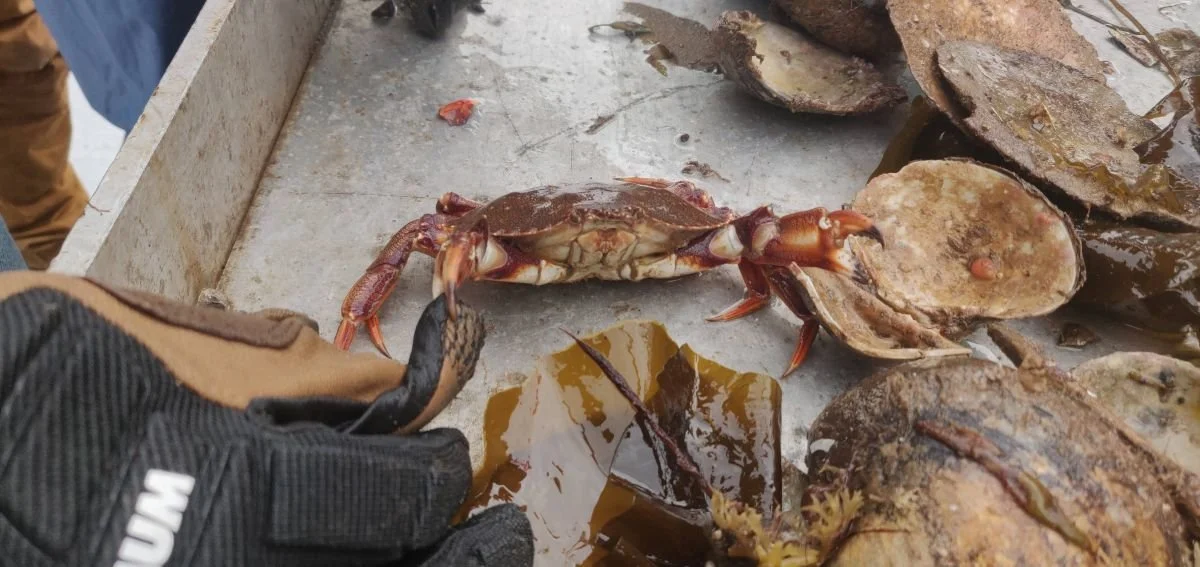
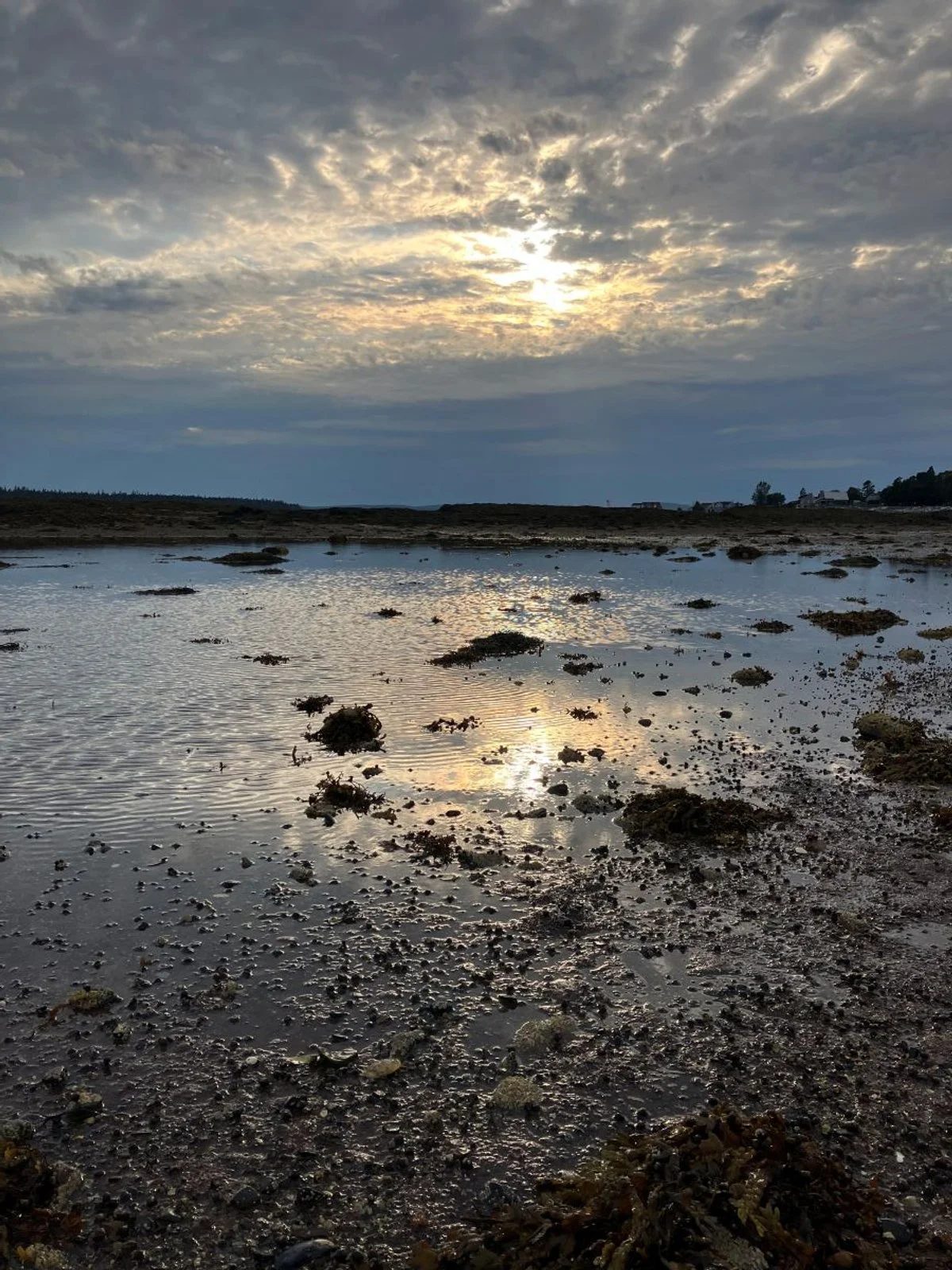
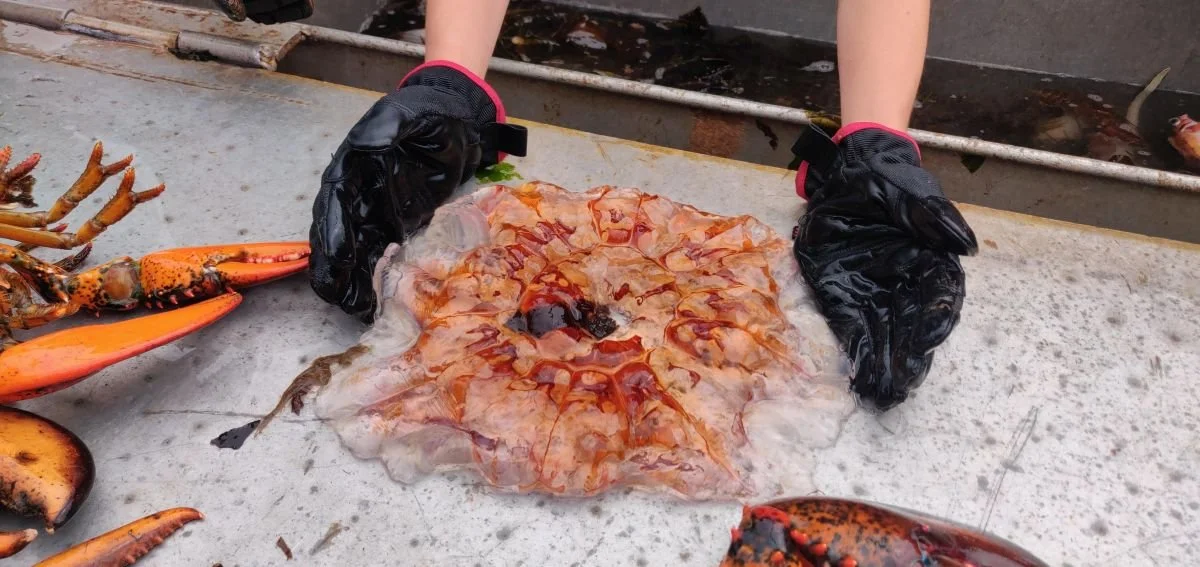
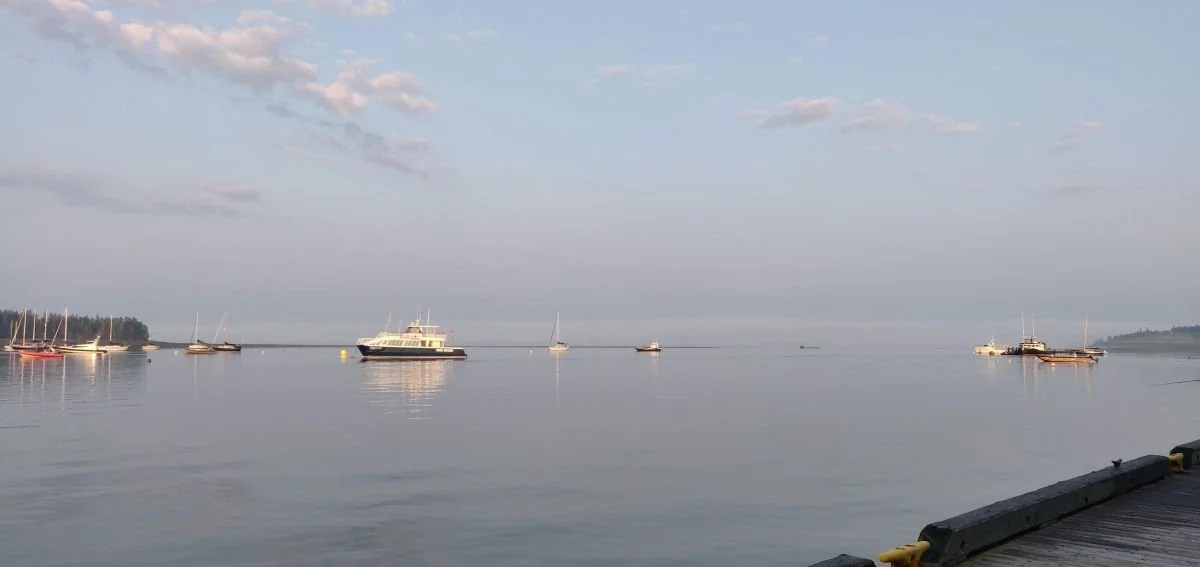
Pictures from a marine biology field course hosted in Qonasqmkuk (St. Andrews), New Brunswick
While switching career paths from teaching to research, I had to prepare for a field course and decided to look into the accessibility of academic fieldwork and labs. I had an internal thought that I wasn’t made for certain experiences, navigating this additional complexity of imposter syndrome. My favourite discovery came in the form of a series of interviews done for Disability Pride Month. There were people just like me, who felt restricted by their disability– it was their passion and supportive network that kept them going. Reading the interviews shifted how I looked at myself. I could go on into this intensive field course, and I would!
I came across the concept of Universal Design. The Center of Universal Design defines it as “the design of products and environments to be usable by all people, to the greatest extent possible, without the need for adaptation or specialized design” (2). These are designs that are beneficial for everyone. They include accessibility features you likely have already come across: ramps, curb cuts, closed captions on videos, accessibility features on smartphones such as adjustable text sizes, and voice control. Implementing Universal Design to labs would include “adjustable height workstations, wider doors and gaps between workstations, easily accessible lab supplies and safety equipment, touch screens, and closed captioning” (1). Accessibility and universal design go beyond ramps; they mean everyone can navigate a space freely with dignity.
I want to leave the readers with some questions:
What are your favourite movies or books with good representation of disabled people?
How do you implement accessibility into your school, work, or community projects?
How do you plan on unlearning ableist thoughts, understandings, language, and behaviours you’ve learned over time?
My promises to ensure future Caterpillar Count sites I organize are accessible:
Bringing resources in various formats (i.e simplified high contrast picture keys)
Finding locations that are accessible to various mobility aid users and using easy-to-see flagging tape to label branches
Including picture descriptions and closed captions to any image/video content
Continue to volunteer with EcoSpark to encourage more people to participate in community science projects.
My Favourite Quote from “Nothing About Us Without Us”:
“I want a field where we all work as equals, and where factors such as age, disability, gender and socio-economic status do not control my progress. I want my field not to underuse, misuse or neglect the human potential we all have for exploration and inquiry, and to trust that we all may contribute just as we are.” - Dr. Diaz-Merced (3).
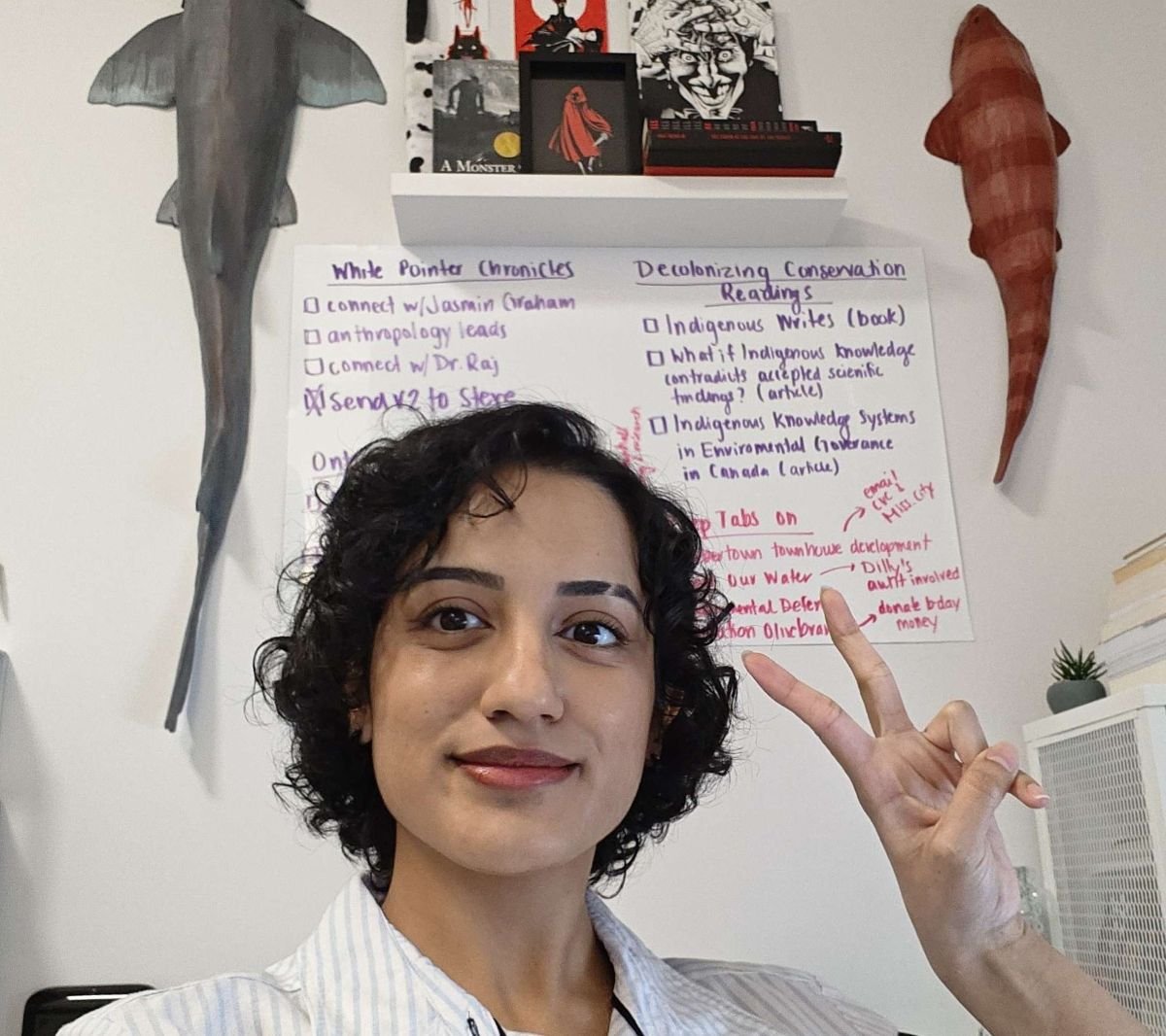
Author Bio:
Harpreet Bhamra (she/her) is a graduate of York University with a degree in biology. She now spends her time organizing community projects and taking any opportunity to do fieldwork and research, whether that’s wading in streams, learning how to decolonize conservation, or cleaning conservation parks.
Resources to Check out:
About – Disability Visibility Project
Disability Pride Month at Communications Biology
Universal Design in Postsecondary Education: Process, Principles, and Applications
Universal Design in the Curriculum
Article Recommendations:
Disability Inclusion Enhances Science
Disability shouldn’t limit accessibility in science
Book Recommendations:
Demystifying Disability: What to Know, What to Say, and How to Be an Ally by Emily Ladau
Against Technoablesim: Rethinking Who Needs Improvement by Ashley Shew
Care Work: Dreaming Disability Justice by Leak Lakshmi Peipzna-Samarasinha
Sitting Pretty: The View from My Ordinary Resilient Disabled Body by Rebekah Taussig
Academic Ableism: Disability and Higher Education by Jay Timothy Dolmage
References
Hartmann. A.C. (2019). Disability inclusion enhances science. Science, 366(6466), 698. https://doi.org/10.1126/science.aaz0271
NC State University. (1997). Center for Universal Design. College of Design. https://design.ncsu.edu/research/center-for-universal-design/
Sarju. J.P. (2021). Nothing About Us Without Us - Toward Genuine Inclusion of Disabled Scientists and Science Students Post Pandemic. Chemistry - A European Journal, 27(41). 10459-10494. https:doi.org/10.1002/chem.202100268