
Cultivating BiodiverCity and Climate Resilience - April
© Max Smith on Flickr
Dear EcoSpark Volunteers and Nature Seekers,
Spring is here! This month will bring a host of exciting seasonal changes as trees start to bud, many animals enter their mating season, and bright colours return to our landscapes as wildflowers start to bloom.
Birds
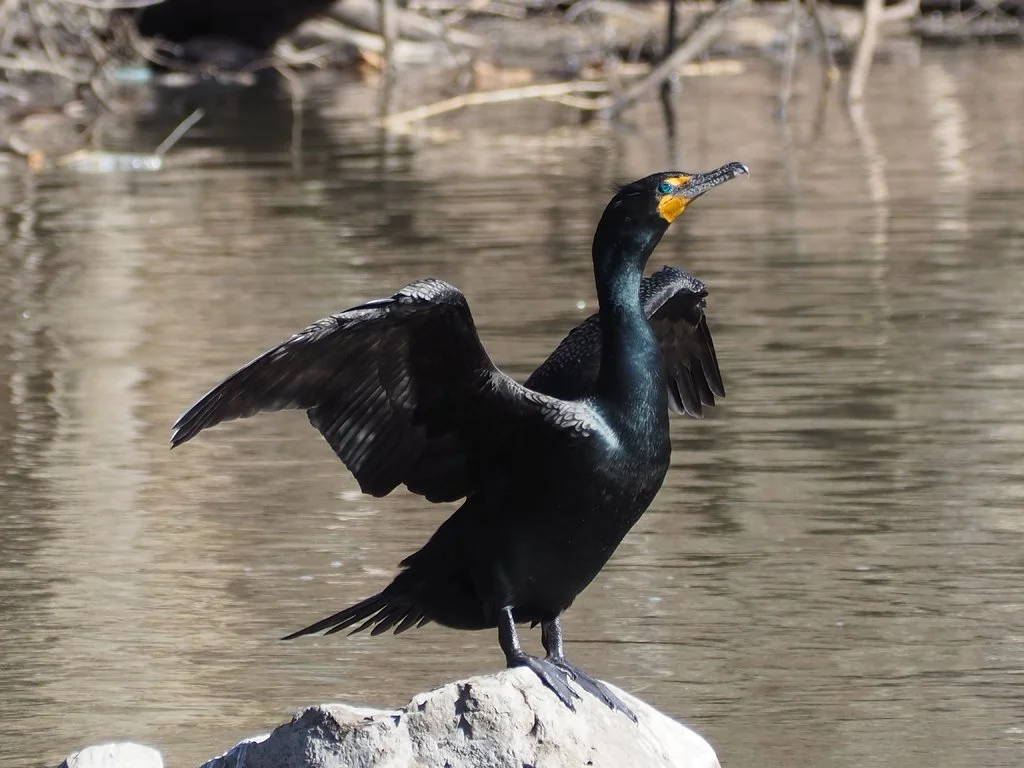
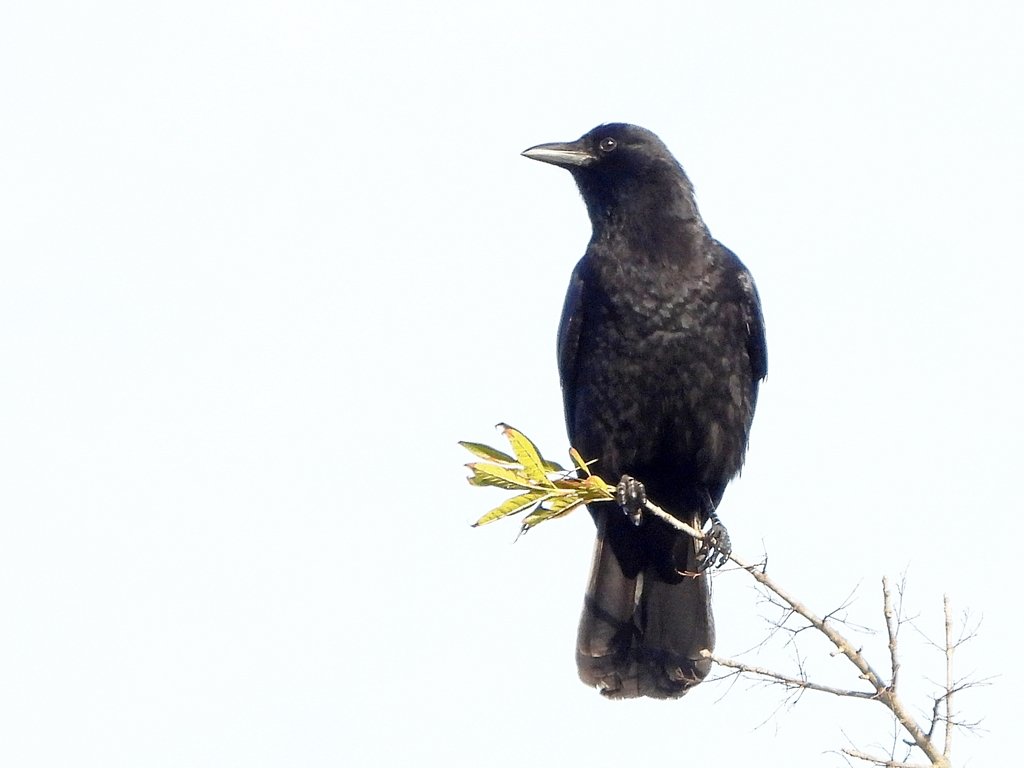
April marks the height of spring migration, the beginning of the breeding season, and increased territorial activity for birds. Around this time, male birds become especially vocal as they establish territory and attract mates. A common year-round resident of Toronto you might spot in your backyard is the American crow (Corvus brachyrhynchos). American crows begin building their nests in mid-March and continue through early June, usually high up in trees or in trunk crotches. Both the male and the female help build the nest, sometimes with help from young birds from the previous year. During spring, crows are also known to prey on the eggs and nestlings of other birds. Another species commonly seen at this time is the double-crested cormorant (Nannopterum auritum). In spring, they return to Toronto to establish breeding territory after wintering farther south. They have a small breeding colony on the Toronto Islands, where the TRCA closely manages their nesting because their excrement, or guano, can damage trees. However, their main breeding area in Toronto is Tommy Thompson Park, which is home to the largest colony of cormorants in North America! You can learn more about cormorants and other birds of Tommy Thompson here.
Mammals
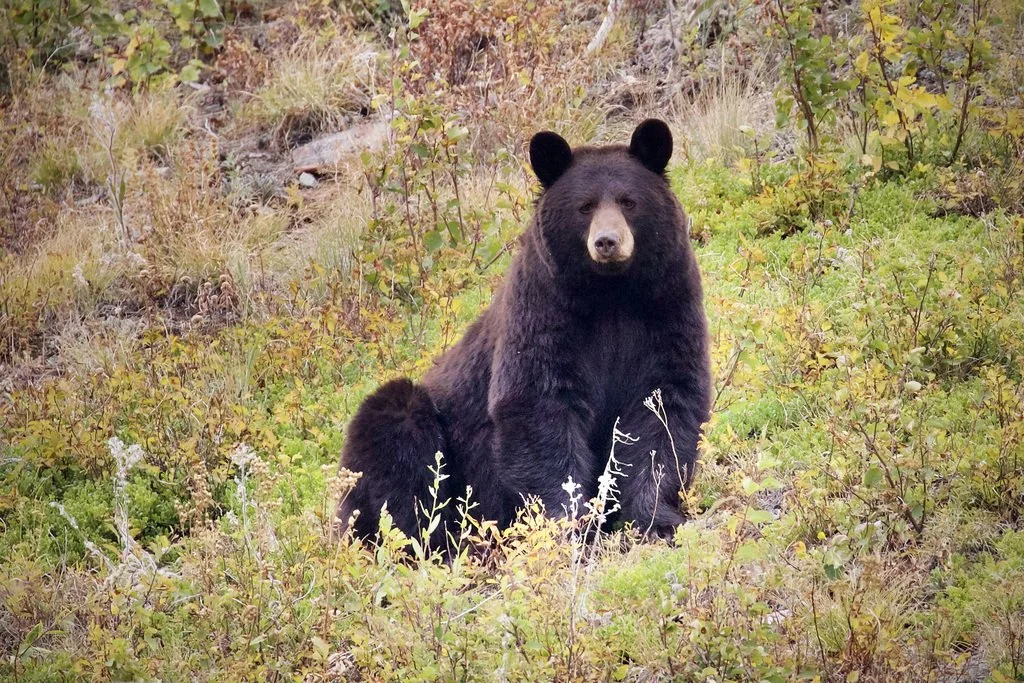
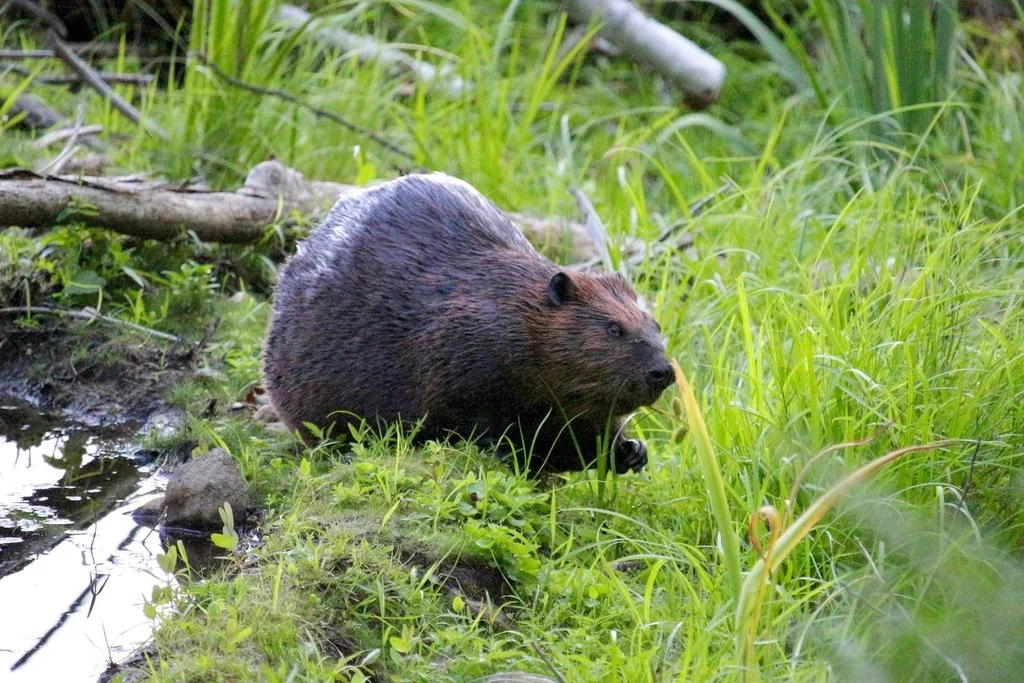
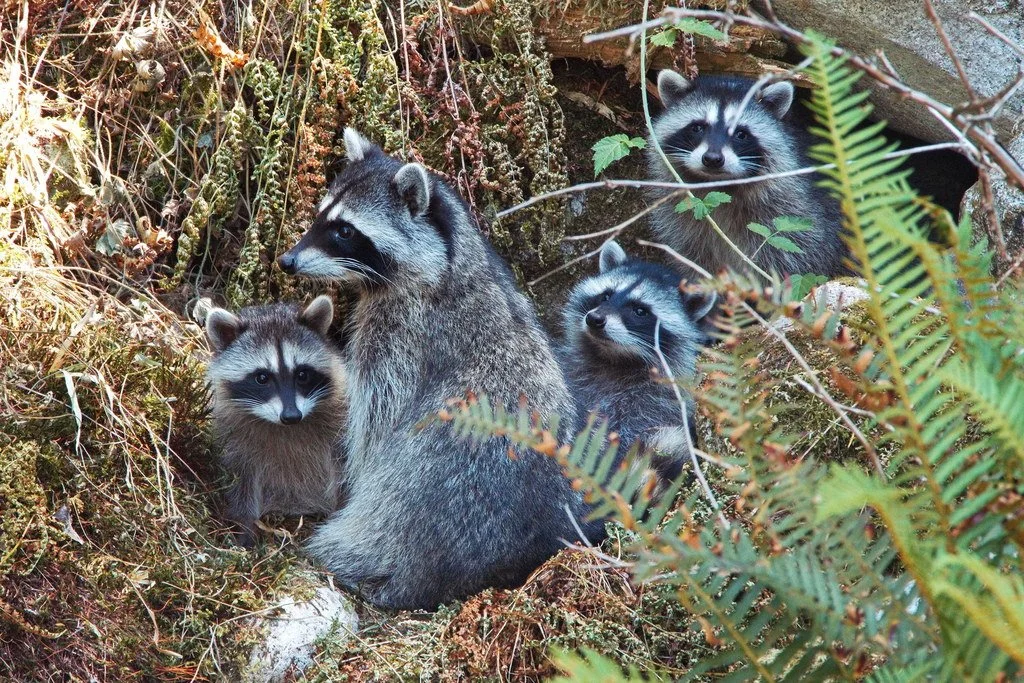
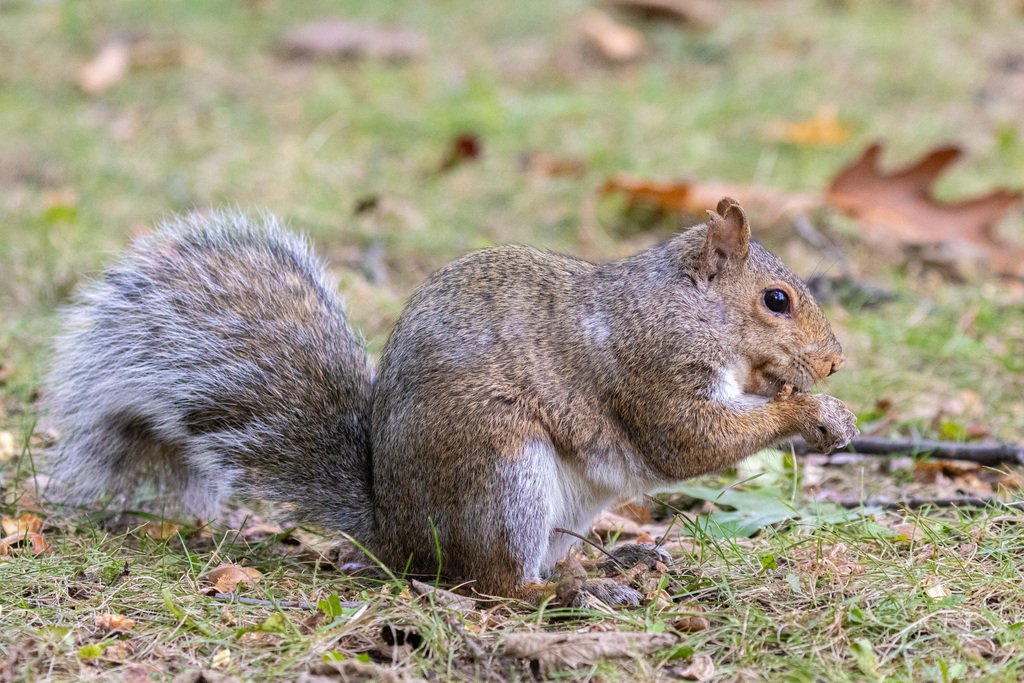
Continuing the significant habitual changes that mammals undergo in March, April is often the peak awakening period for Ontario’s hibernators. Black bears (Ursus americanus) typically emerge from their dens this month and are lethargic at first, but quickly begin hunting to regain lost body mass. Additionally, this is the time when reproductive cycles across all mammals peak. Multiple species, including raccoons (Procyon lotor), and squirrels (Sciurus carolinensis), give birth or take care of their young in April. This biological demand requires animals that are usually nocturnal to start foraging during the day to sustain their litters. Doing so often leads them to search for secure shelter in sheds or hollow trees. Beavers (Castor canadensis) also tend to mobilise quite significantly this month, as they begin travelling to the edges of thawing ponds to groom and feed on fresh bark.
Reptiles & Amphibians
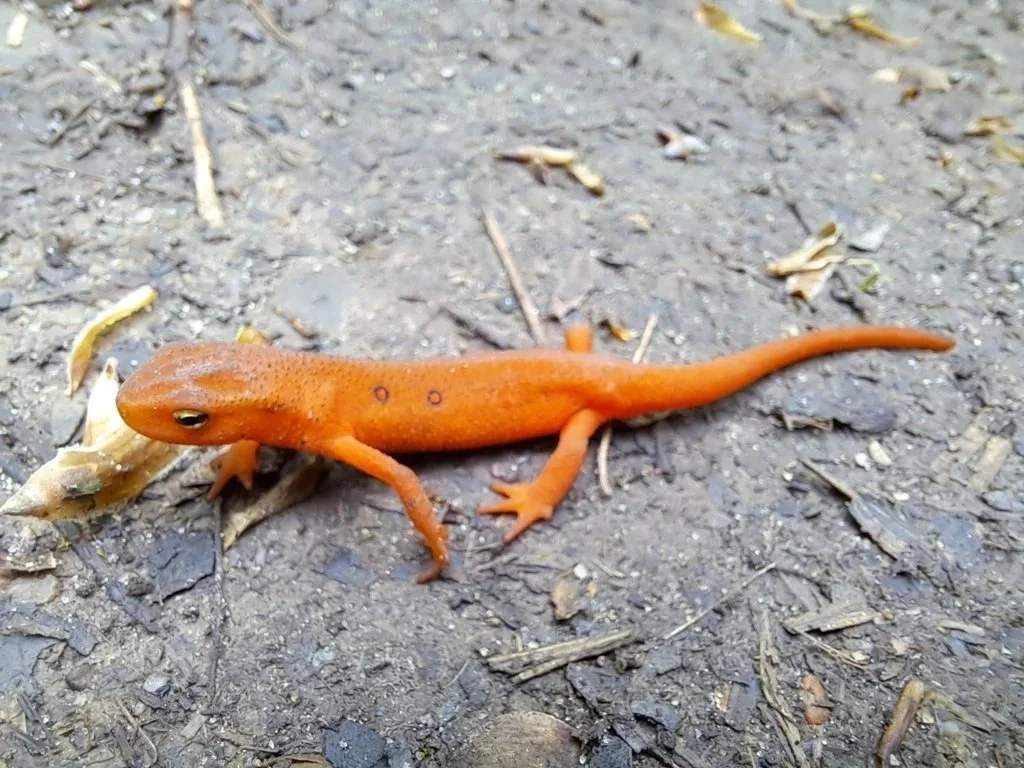
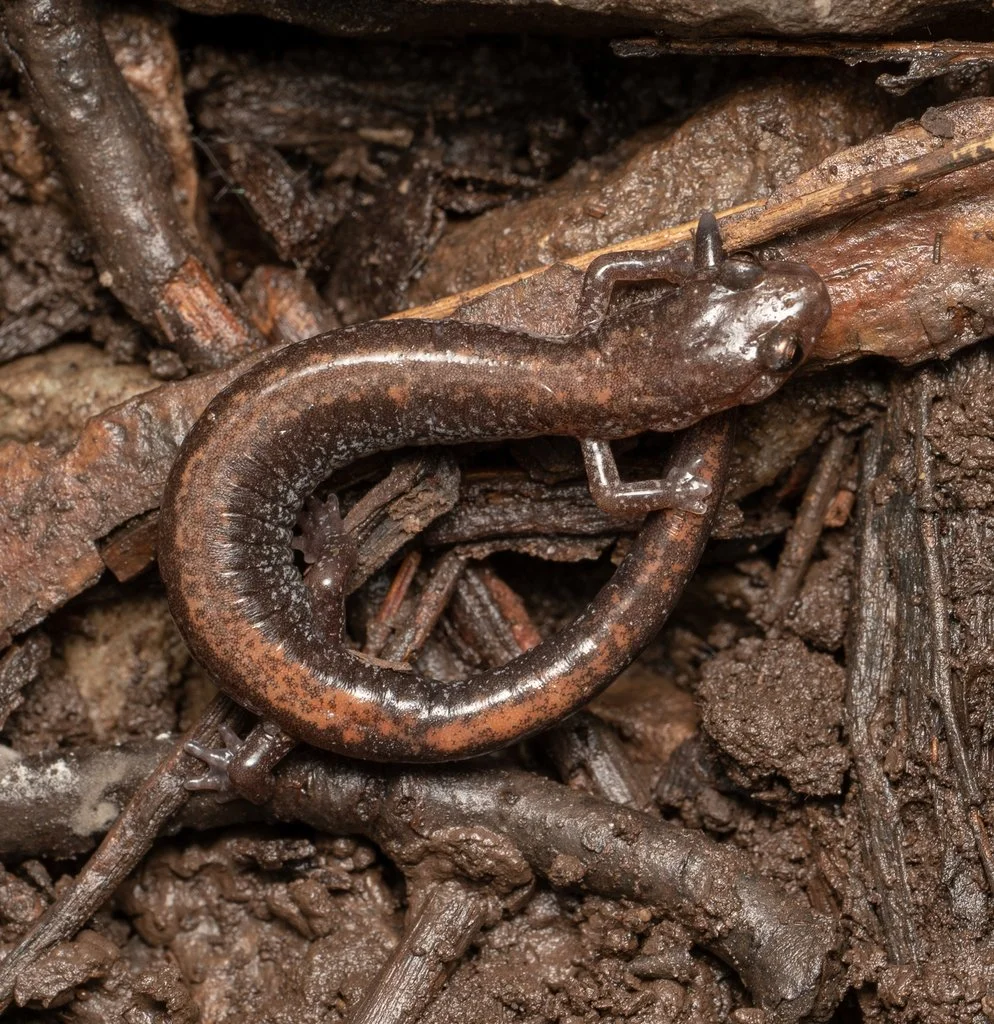
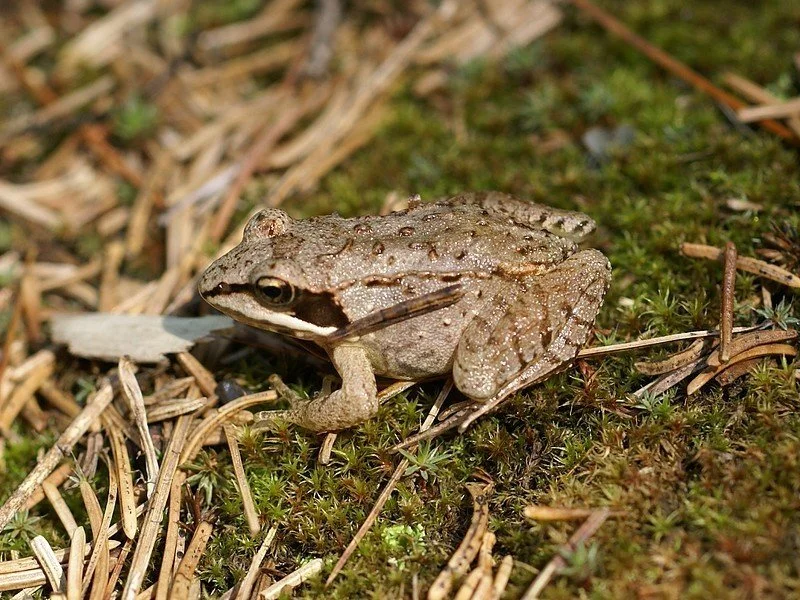
Both reptiles and amphibians increase their movement in April, often travelling between overwintering sites and breeding or feeding areas. This facilitates reproduction, helps establish territories, and locates reliable food sources. Some amphibians, such as the red spotted newt (Notophthalmus viridescens ssp. Viridescens), eastern red-backed salamanders (Plethodon cinereus), and wood frog (Lithobates sylvaticus) start shifting their active hours to the cooler mornings, evenings, or nighttime to avoid direct sunlight. Additionally, you may notice a significantly larger number of these amphibians out and about during rainy periods, as they often wait for such weather when choosing to move between habitats. If you are on the lookout for reptiles and amphibians this spring, make sure to look near cool and damp spots, such as under rocks, fallen logs, thick vegetation, or leaf litter. When looking for amphibians and reptiles, remember to respect the animals and disturb them as little as possible. You can learn more about ethical outdoor practices here!
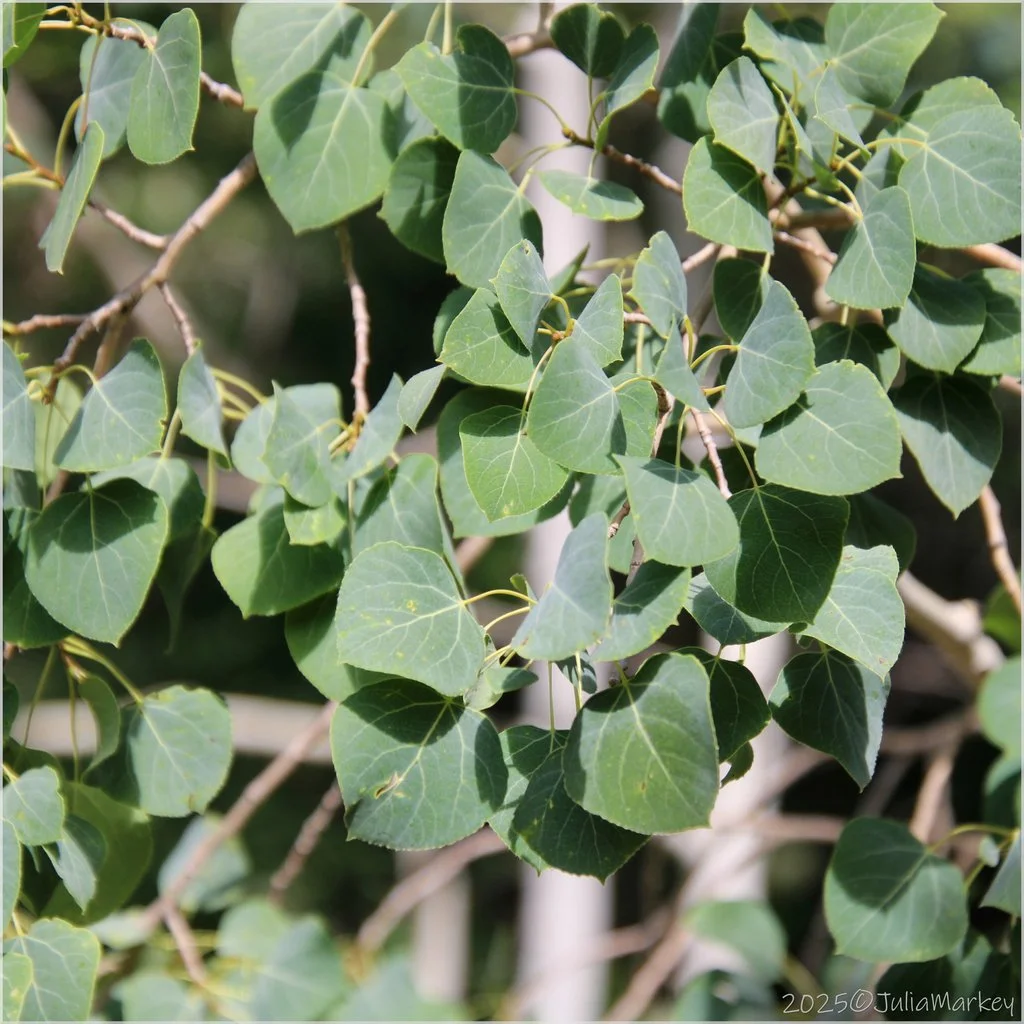
Trees & Shrubs
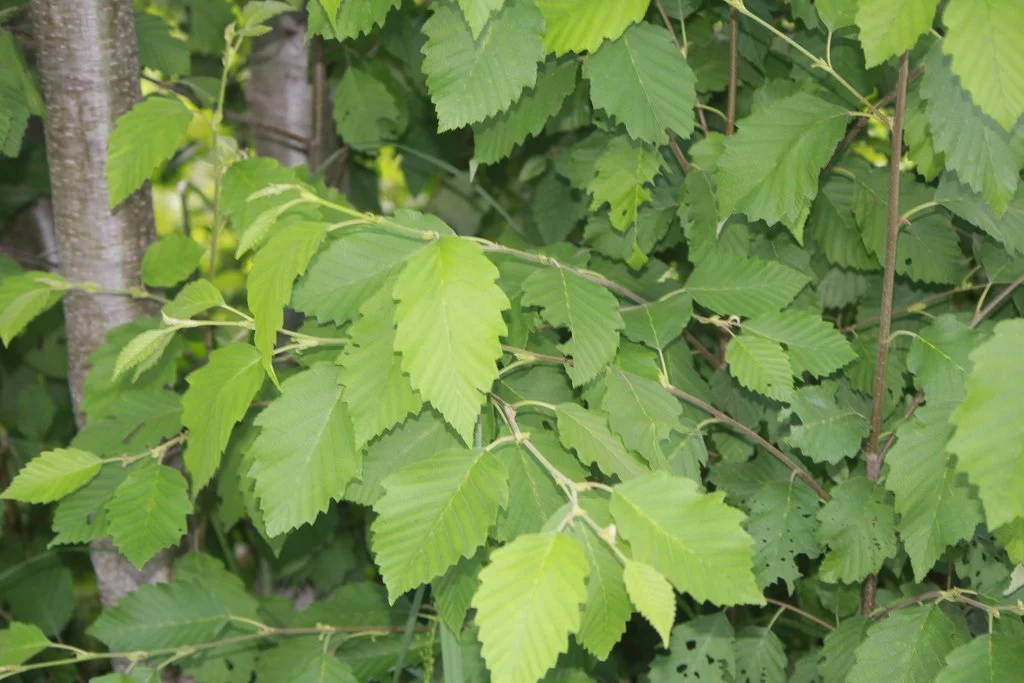
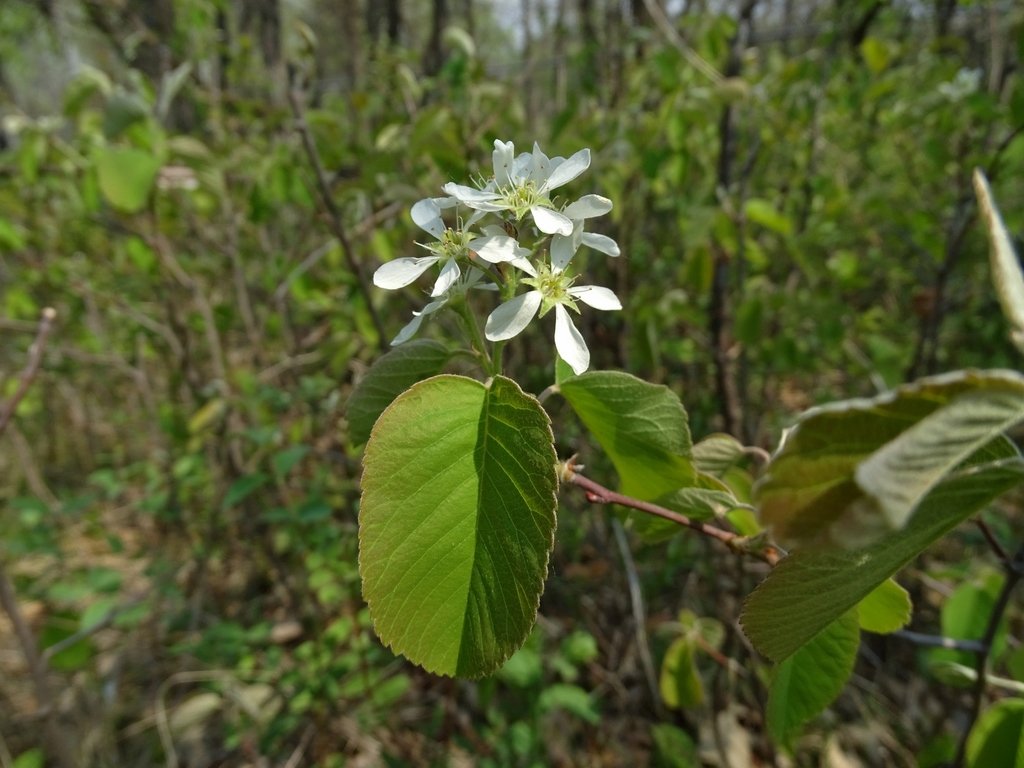
April can be seen as a transitional period where trees and shrubs move from their winter dormant state to a more active role, preparing for the spring blooming season. You may notice that the buds on many trees–such as the river birch (Betula Nigra), and quaking aspens (Populus Tremuloides)--start to swell and fatten before developing into full leaves in late spring. Additionally, you may also see many serviceberries (Genus Amelanchier) starting to bloom near rivers and lakes; these were also harvested by Indigenous peoples of Ontario at this time of year!
Wildflowers
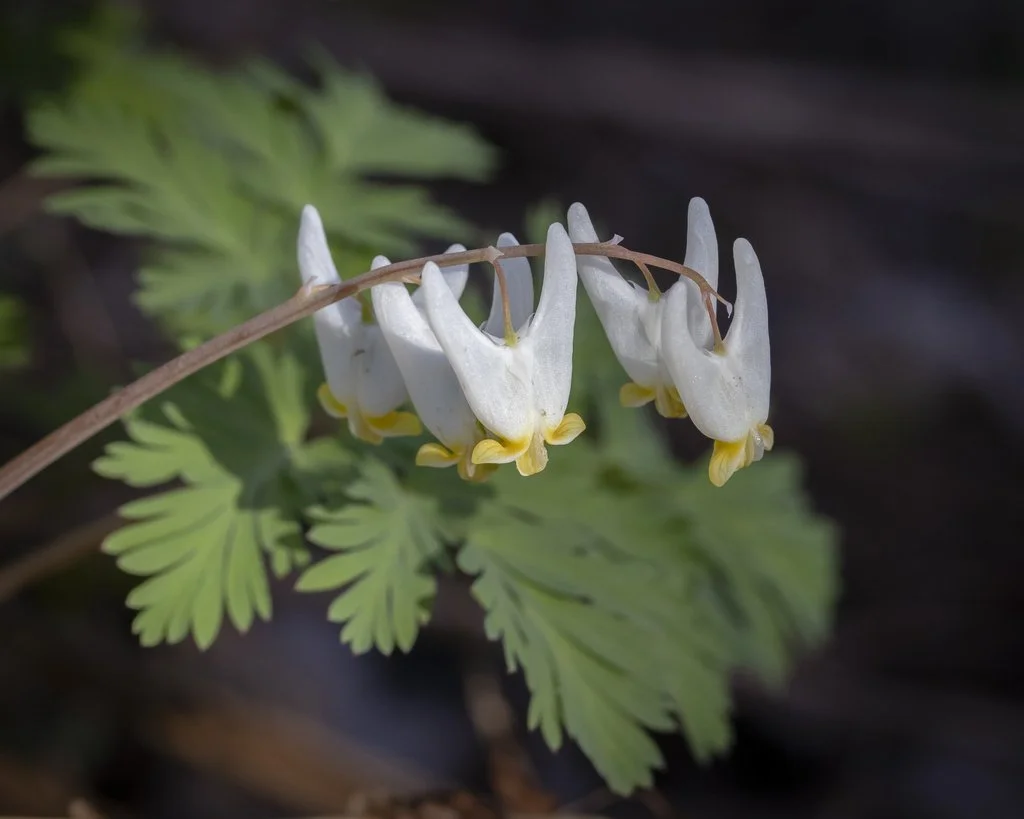
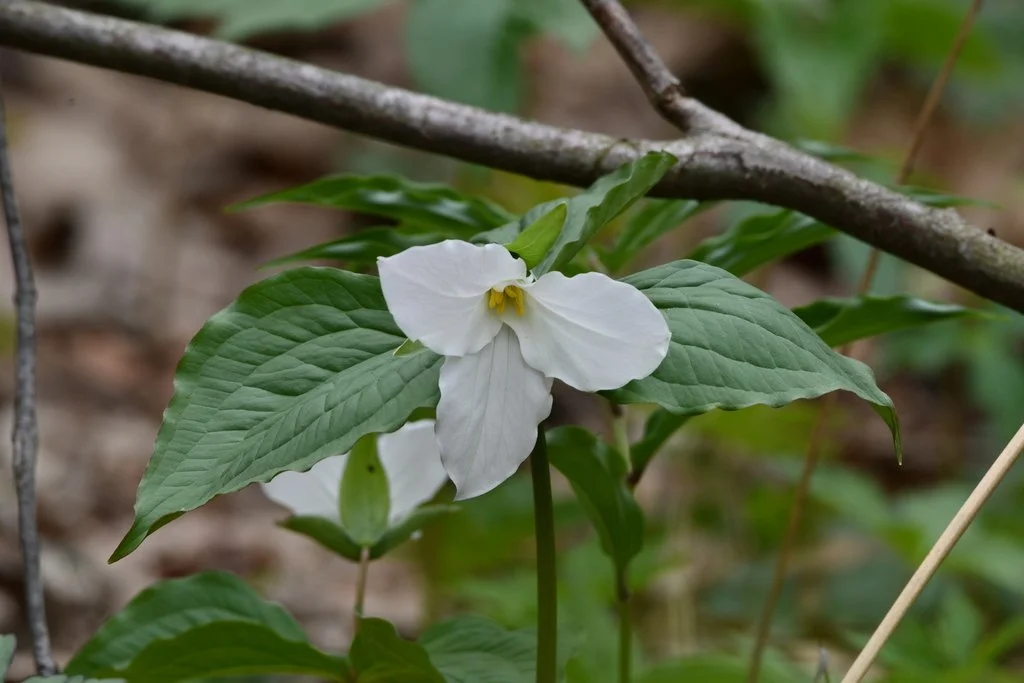
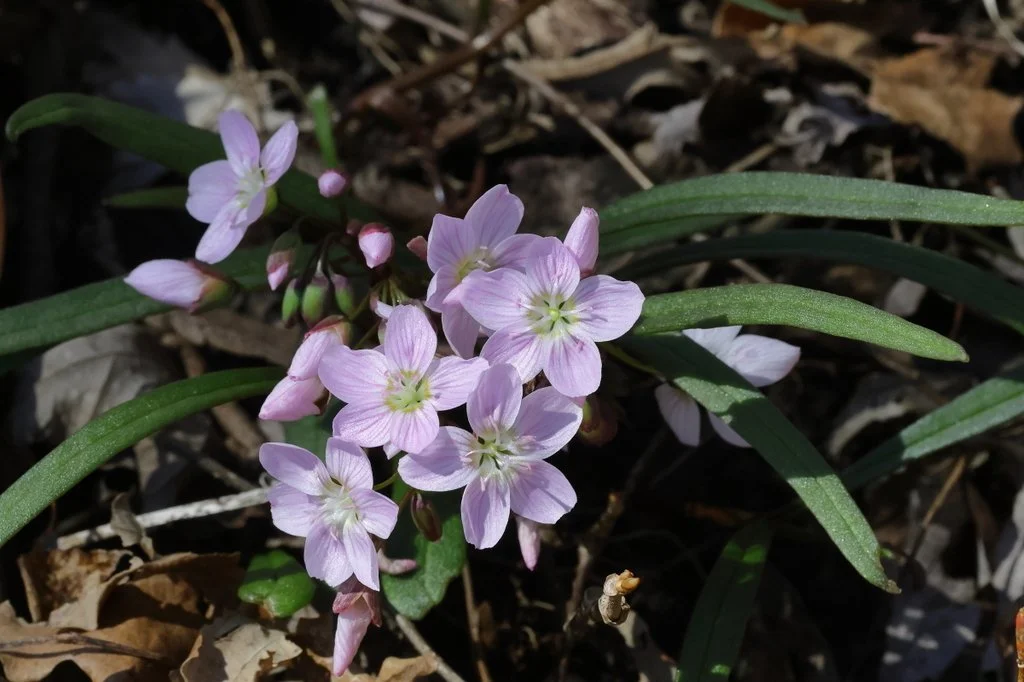
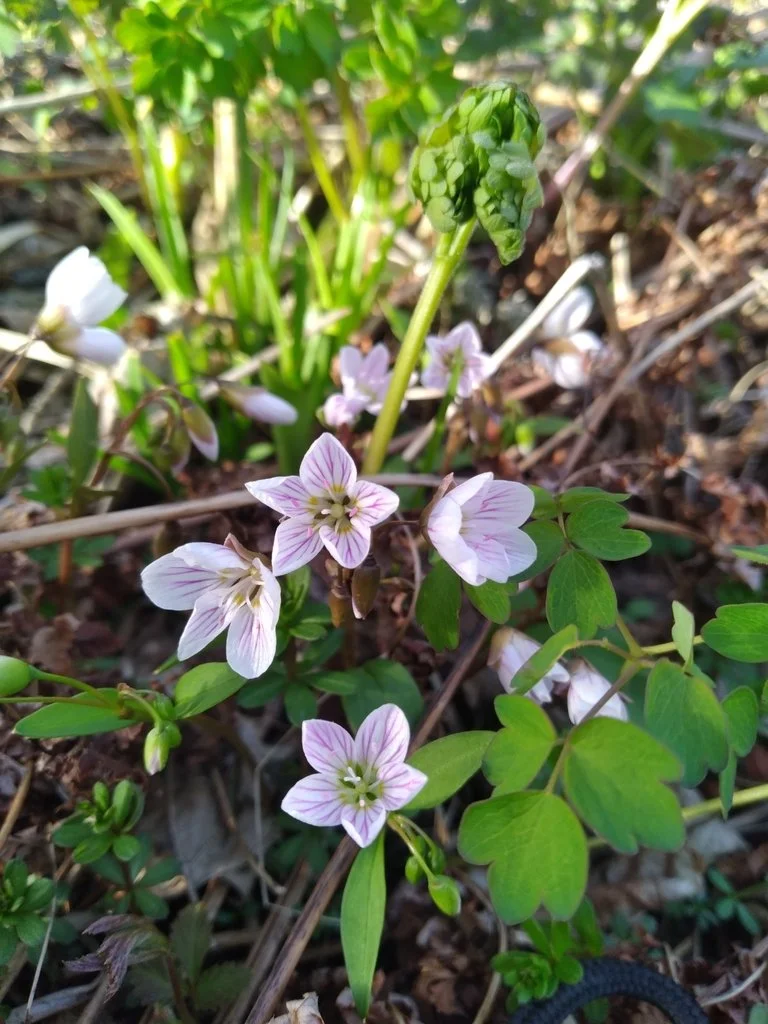
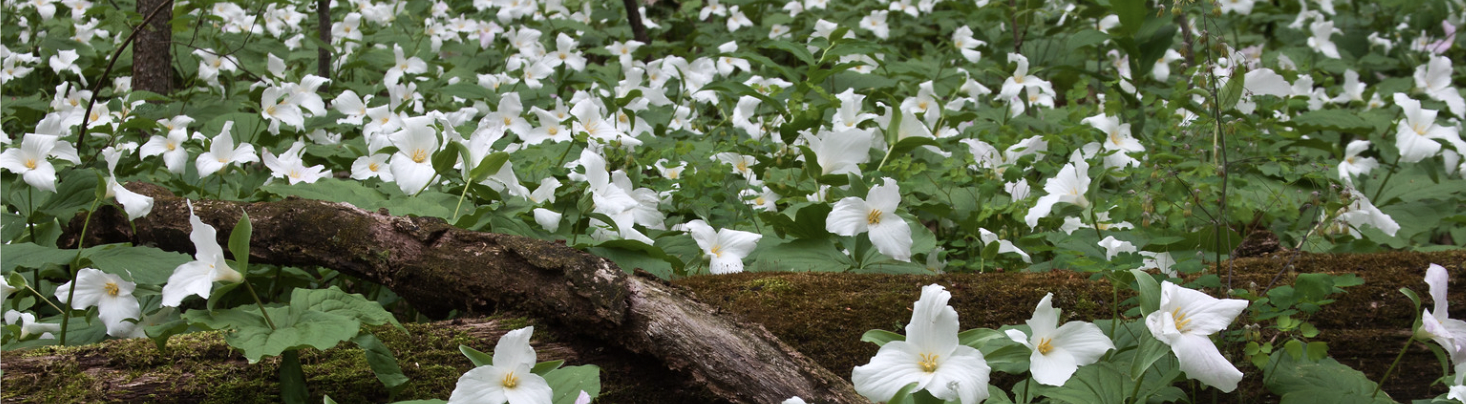
April and May can be some of the best months to spot wildflowers on the forest floor. These flowers have adapted to live out their short life cycle among larger, shade-creating trees; therefore, they emerge before deciduous trees gain their leaves to take advantage of the strong sunlight. Spring wildflowers are quite interesting as they have softer leaves. This is due to the large amounts of water in spring, allowing them to rely on turgor pressure in their large cells for stability rather than thicker cell walls. They also have a fat-and-protein-rich appendage attached to their seeds, which attracts woodland animals and assists with dispersal.
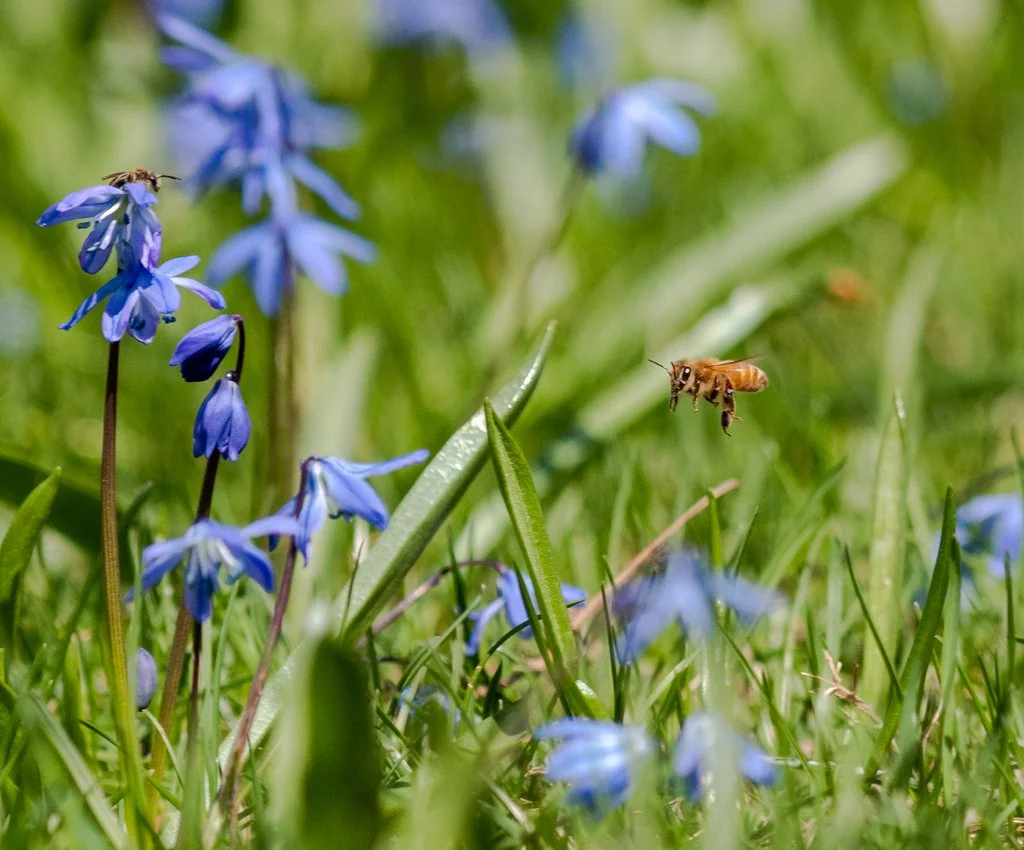
In mature deciduous forests in Toronto, like Wilket Creek ravine or High Park, many spring ephemerals can be spotted, such as dutchman’s breeches (Dicentra cucullaria), large white trillium (Trillium grandiflorum), and many different species of spring beauty (Genus Claytonia). An invasive species to keep an eye out for is Siberian squill (Scilla siberica), identified by its blue bell-shaped flowers with six petals. Introduced from Russia, these invaders form dense carpets and spread rapidly, crowding out native species. Although they are beautiful, avoid planting them in your garden; consider replacing them with native wildflower species. And, if your garden or yard begins to become invaded by them, eradicate them by digging up the bulbs entirely, removing the flowers before they develop seed pods, and dispose of them in the garbage rather than the compost to prevent further spread.
Fungi
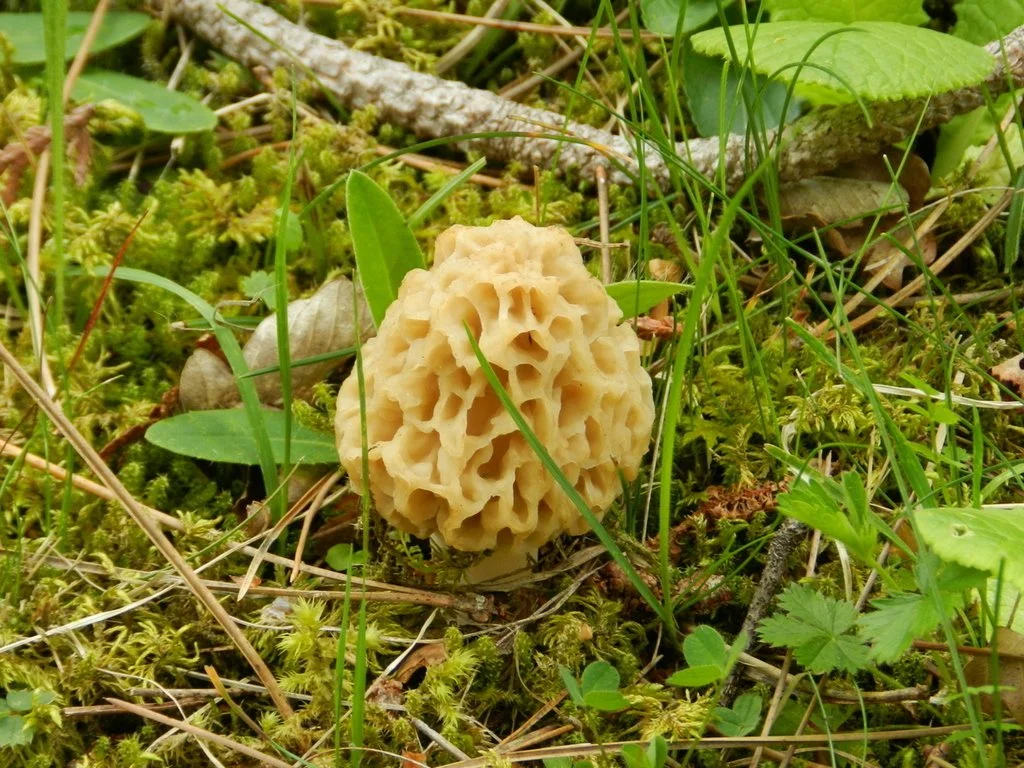
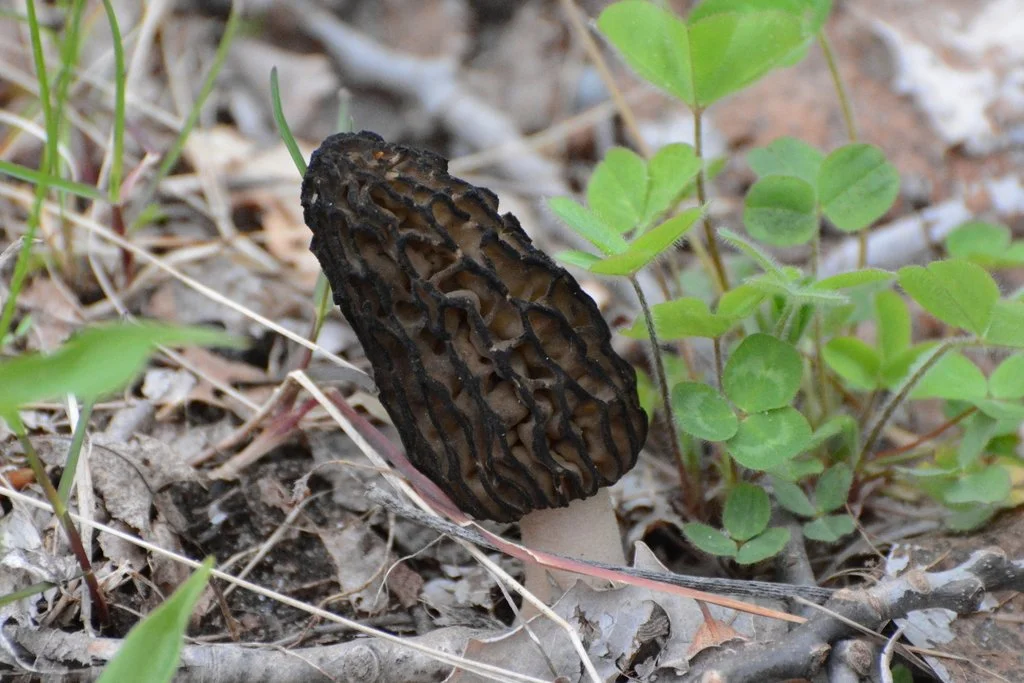
In April, many different fungi species that grow in woodland areas on or around trees make their first appearances due to increased temperatures, warming soil, and higher levels of rainfall. Morels (Genus Morchella) are the signature mushrooms of spring as they only fruit this time of year, becoming more plentiful in May. Some local species that can easily be found on forest floors this time of year are the yellow morel (Morchella esculenta) and the black morel (Morchella angusticeps)–both identifiable by their honeycombed caps.
The Mycological Society of Toronto has informational presentations on all kinds of fungi-related questions and studies. They also lead walks and forays in both spring and fall, subscribe or become a member to get involved in Toronto’s fungi events!
Insects and Arthropods
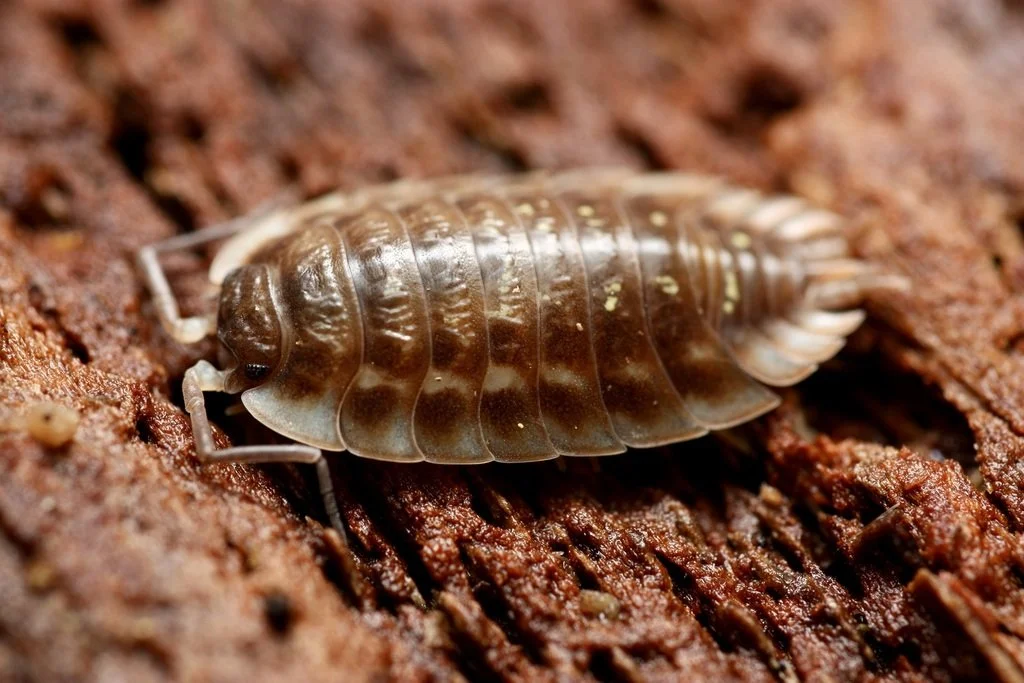
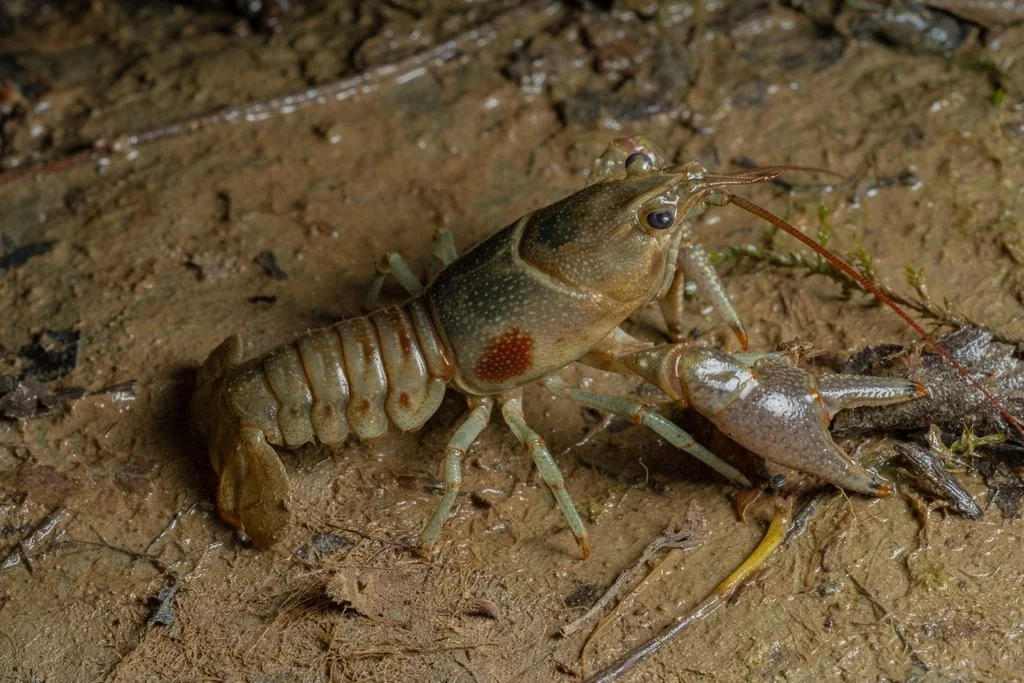
April marks the major spring awakening for many arthropod species–a four-week period where warmer temperatures and rainfall trigger the end of dormancy, increasing populations, foraging, and reproduction. A common land-dwelling arthropod found around Toronto at this time is the common shiny woodlouse (Oniscus asellus). Introduced from Europe, these isopods have naturalized to Canada’s environment and can be found in moist areas like flower pots and under leaf litter, rocks, and mulch. They play an important role as decomposers, breaking down decaying plants, fruits, vegetables, and other organic matter. An aquatic arthropod that becomes most active in summer as water temperatures rise, but can still be found in spring under rocks in muddy streams, is the rusty crayfish (Faxonius rusticus). Rusty crayfish are highly invasive and were introduced from the Ohio River Basin in the early 1960s. They compete with native crayfish for food, are more aggressive and better at escaping predators, and consume large amounts of aquatic vegetation, reducing spawning habitats for native fish. Females can also carry large numbers of eggs under their tails, allowing populations to spread quickly.
To help prevent their spread, Ontario has banned the transport of all species of crayfish, dead or alive. Check out this page to learn how to identify rusty crayfish and how to report them to your local ministry office.
Biodiversity events happening this month:
All in the Family with Mountsberg Raptor Centre in High Park (paid event) - April 19
Youth Rangers-led Nature Walk in Toronto's High Park (Pay what you can) - April 26
Earth Day: Inuit Soap Carving Workshop at the Village at Black Creek with the TRCA (paid event) - April 21
Frog Watch at the Cold Creek Conservation Area with the TRCA (free) - April 23
Trees for Life Earth Week Planting with the TRCA (free) - April 25
Native Edible Plants of Toronto Webinar with the City of Toronto (paid) - April 23
Have a blooming April,
The EcoSpark Team
Your monthly observations contribute essential data for understanding Toronto's urban biodiversity patterns. Record your findings on iNaturalist to support ongoing research into phenology, species distributions, and ecosystem relationships within our urban environment. However, please be aware of human and wildlife safety at all times and explore natural areas responsibly with ethical wildlife photography.
Primary Sources :
BIRDS OF TORONTO • City of Toronto Biodiversity Series • Second Edition. (n.d.). https://www.toronto.ca/wp-content/uploads/2020/05/8ea3-City-Planning-Birds-of-Toronto-Biodiversity-Series.pdf
American Crow Life History, All About Birds, Cornell Lab of Ornithology. (2019). Allaboutbirds.org. https://www.allaboutbirds.org/guide/American_Crow/lifehistory#:~:text=BehaviorGround%20Forager-,Habitat,Avoids%20deserts.
Mcdonald, K. (n.d.). Double-crested Cormorant Management at Tommy Thompson Park. Retrieved April 1, 2026, from https://laserfiche.trca.ca/WebLink/0/edoc/1478103/Authority%200318%20Double-crested%20Cormorants%2004-20-2018.pdf
Todd, D. (2018, August 25). Information about sick and dying cormorants in Toronto. Toronto and Region Conservation Authority (TRCA). https://trca.ca/news/information-sick-dying-cormorants-toronto/#:~:text=Double%2Dcrested%20Cormorants%20are%20a,compared%20to%2015%25%20in%202008.
Rusty crayfish. (2018, November 19). Ontario.ca. https://www.ontario.ca/page/rusty-crayfish
Heather. (n.d.). The first signs of spring: What to look for in Ontario’s forests and wetlands. Nature Notes Blog. https://naturenotesblog.blogspot.com/2025/02/the-first-signs-of-spring-what-to-look.htm
Parks, O. (2025, February 21). 10 signs of spring at Ontario Parks. Ontario Parks Blog. https://blog.ontarioparks.ca/10-signs-of-spring-at-ontario-parks/
» Tips for finding reptiles and amphibians. (n.d.). https://ontarionature.org/programs/community-science/reptile-amphibian-atlas/tips/
TBG. (2021, May 4). What’s in Bloom in April & May: Spring ephemerals - Toronto Botanical Garden. Toronto Botanical Garden. https://torontobotanicalgarden.ca/virtual-gardening/whats-in-bloom/whats-in-bloom-in-april-may-spring-ephemerals/
Blooming, S. (2019). In Our Nature. In Our Nature. https://www.inournature.ca/early-spring-blooming-native-plants#:~:text=%7CAnd%20why%20dandelions%20are%20NOT,are%20not%20good%20for%20bees:
Mehrabi, K. A. (2025, April 23). Toxic invasive plant blooming across Ontario could harm you and your pets. BlogTO. https://www.blogto.com/city/2025/04/toxic-plant-blooming-ontario-harm-pets-humans/
Ontario, D. (2026, March 1). Guide to wildlife viewing and photography in Ontario. Destination
Ontario. https://www.destinationontario.com/en-ca/articles/wildlife-viewing-ontario
Dowd, B., & Dowd, B. (2024, September 13). Common wildlife activity during spring. Skedaddle Humane Wildlife Control. https://www.skedaddlewildlife.com/blog/wildlife-activity-during-spring/
User, G. (2025, April 4). Spring Awakening: How animals prepare for the end of winter — Childreach. Childreach. https://www.childreach.on.ca/blog/spring-awakening-how-animals-prepare-for-the-end-of-winter
WINNER MUSHROOMS OF TORONTO A GUIDE TO THEIR REMARKABLE WORLD • City of Toronto Biodiversity Series •. (n.d.). https://www.toronto.ca/wp-content/uploads/2020/05/8ef1-City-Planning-Mushrooms-of-Toronto-Biodiversity-Series.pdf
Pest, E. (2024, February 26). Environmental Pest Control. Environmental Pest Control: Ontario’s Best Pest Management & Extermination Services. https://www.environmentalpestcontrol.ca/sowbugspillbugs/#:~:text=Fun%20fact%20%2D%20Sowbugs%20and%20pillbugs,when%20favourable%20conditions%20are%20present.