
Cultivating BiodiverCity and Climate Resilience - March
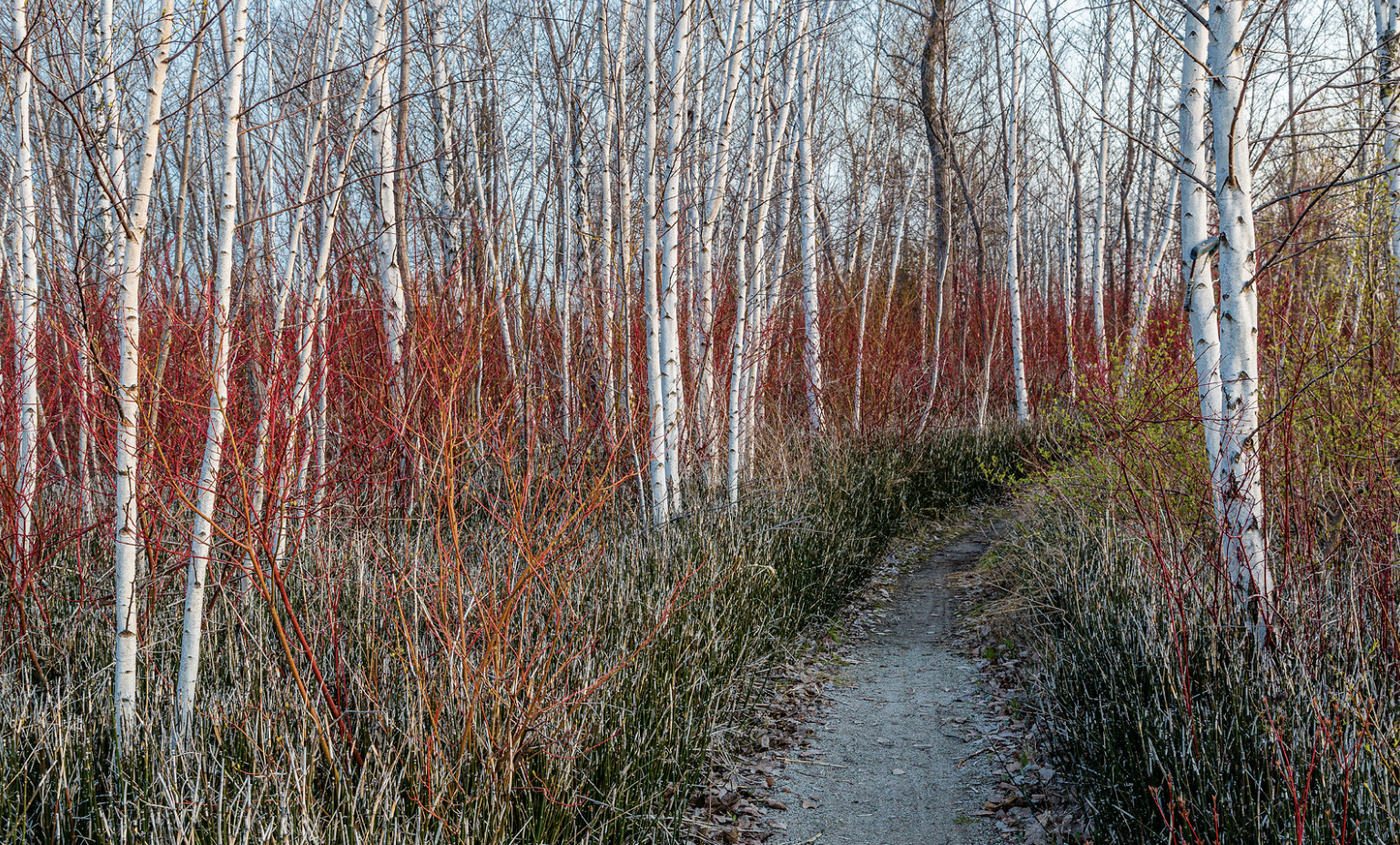
© Phil Marion on Flickr
Dear EcoSpark Volunteers and Nature Seekers,
Happy Spring! March is an exciting month of seasonal change, as migratory birds return to Ontario, trees start to bud, and some mammals and reptiles begin to emerge. In this month’s Cultivating BiodiverCity, we’ll discuss some of the seasonal changes we can expect to see this month.
Birds
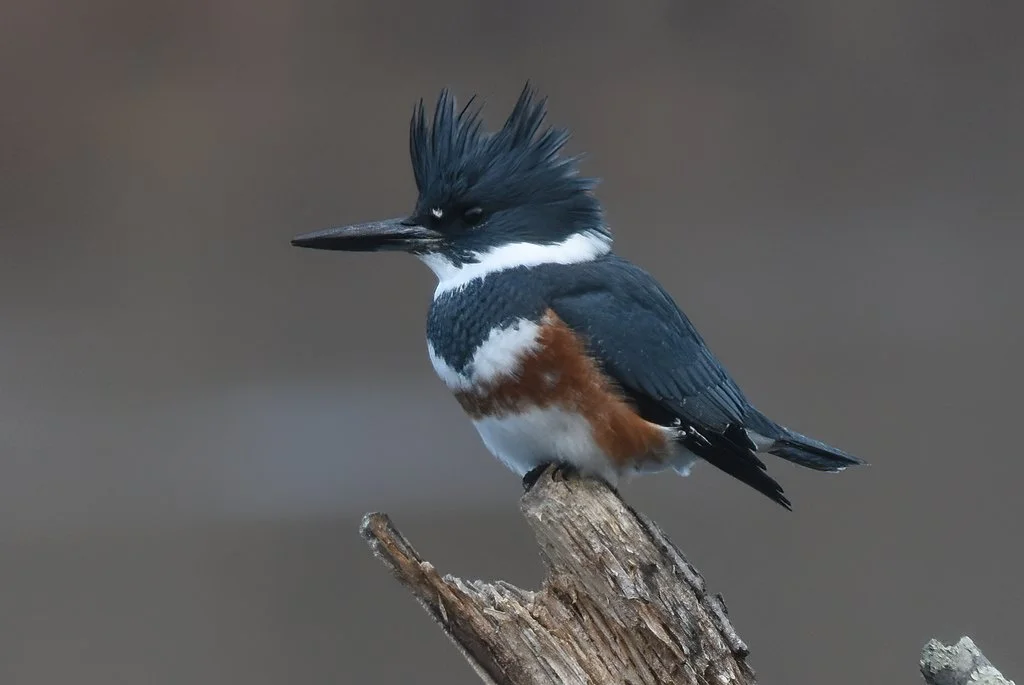
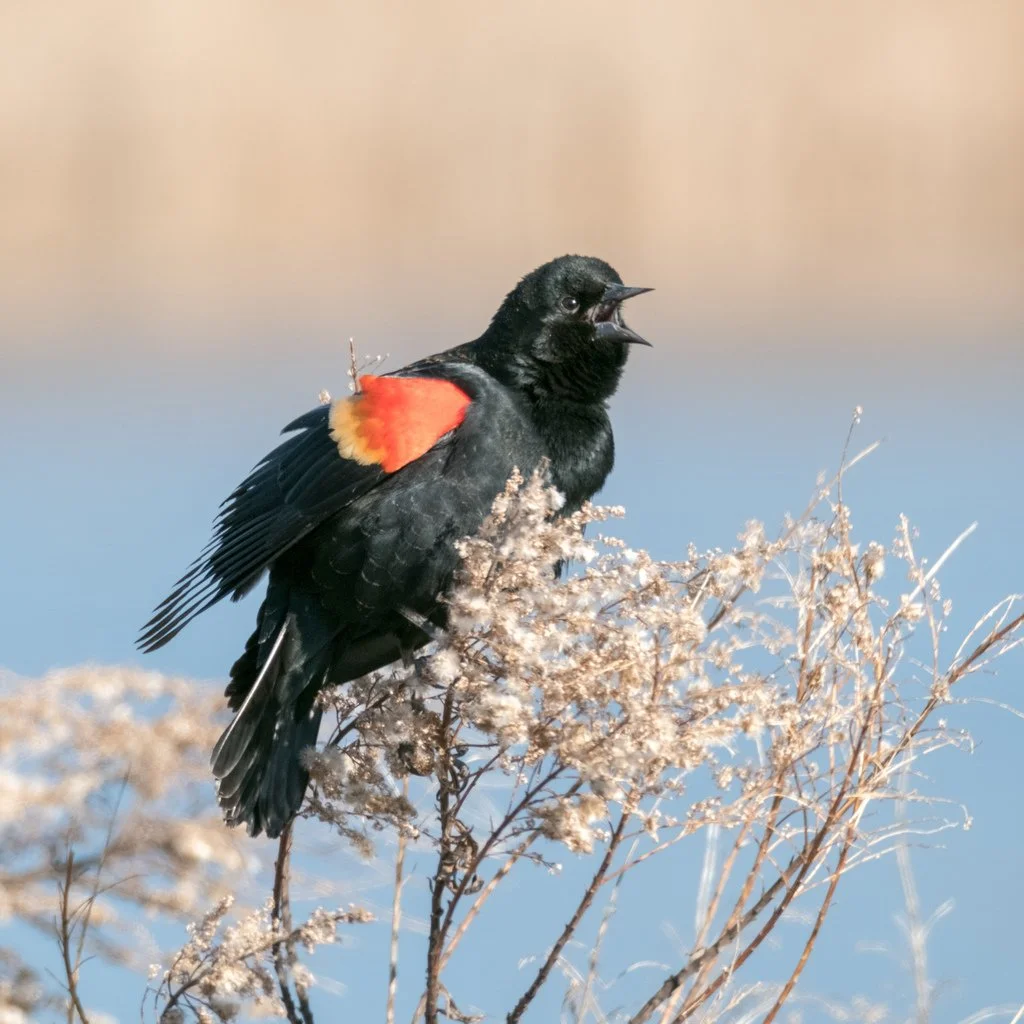
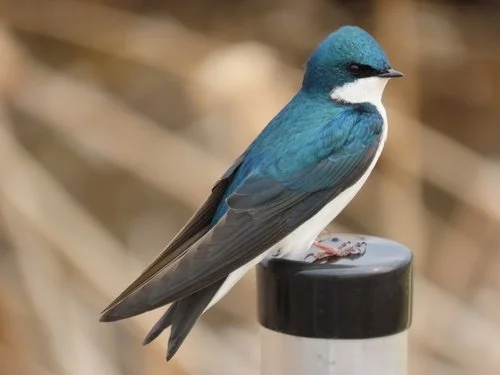
In March, early migratory birds begin returning to Toronto to nest and breed. Among these are the red-winged blackbird (Agelaius phoeniceus), tree swallow (Tachycineta bicolor), and belted kingfisher (Megaceryle alcyon).
It is common for male red-winged blackbirds to make the lengthy journey back from the southern United States long before the females–arriving around late February to early March to establish territories within wetlands and marshes, with females typically following four to six weeks later. Tree swallows reside in Toronto from spring to fall, returning from their migratory journey along the Atlantic coast to Florida and Central America between mid-March and mid-April. They can often be found nesting near water bodies, wetlands, and open fields–sometimes even in bird boxes located in parks such as Tommy Thompson Park and Colonel Samuel Smith Park. Belted Kingfishers typically winter in areas including Mexico, Central America, Venezuela, and Colombia. Still, they will remain in their habitats if open water bodies stay available due to their fish-foraging habits. As climate change warms temperatures, some populations in mainland Canada may reduce migration distances or stop migrating altogether, since water bodies are less likely to freeze in winter. This could affect their behaviour, food availability, and cause an imbalance between migratory and resident bird populations.
Mammals
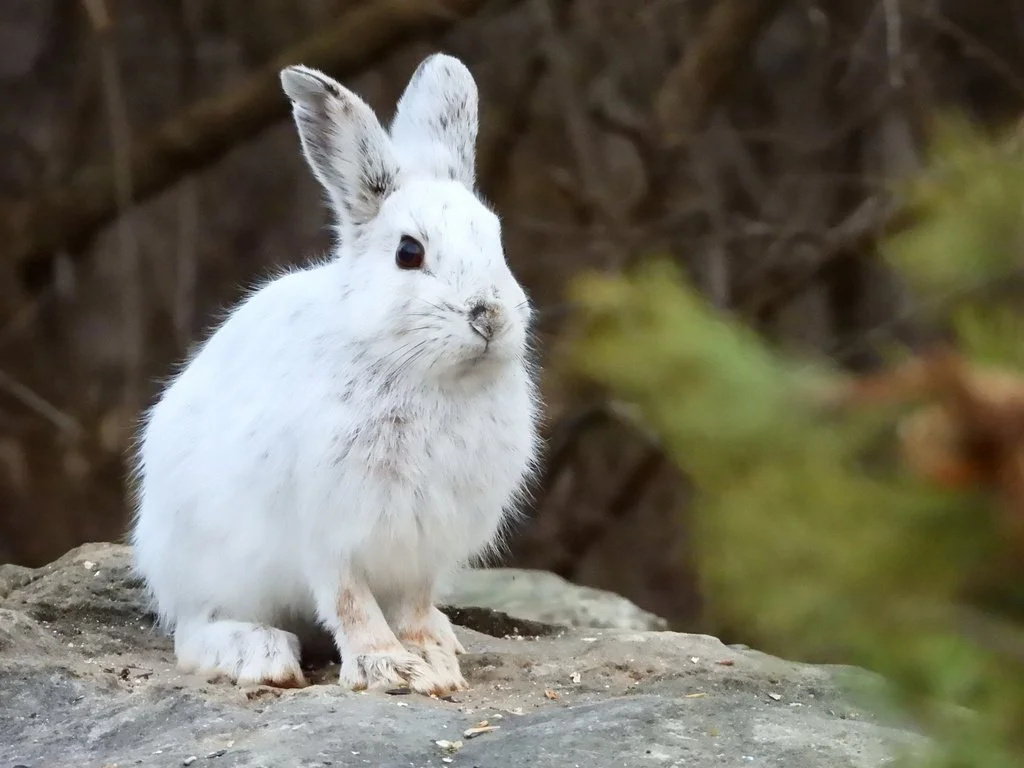
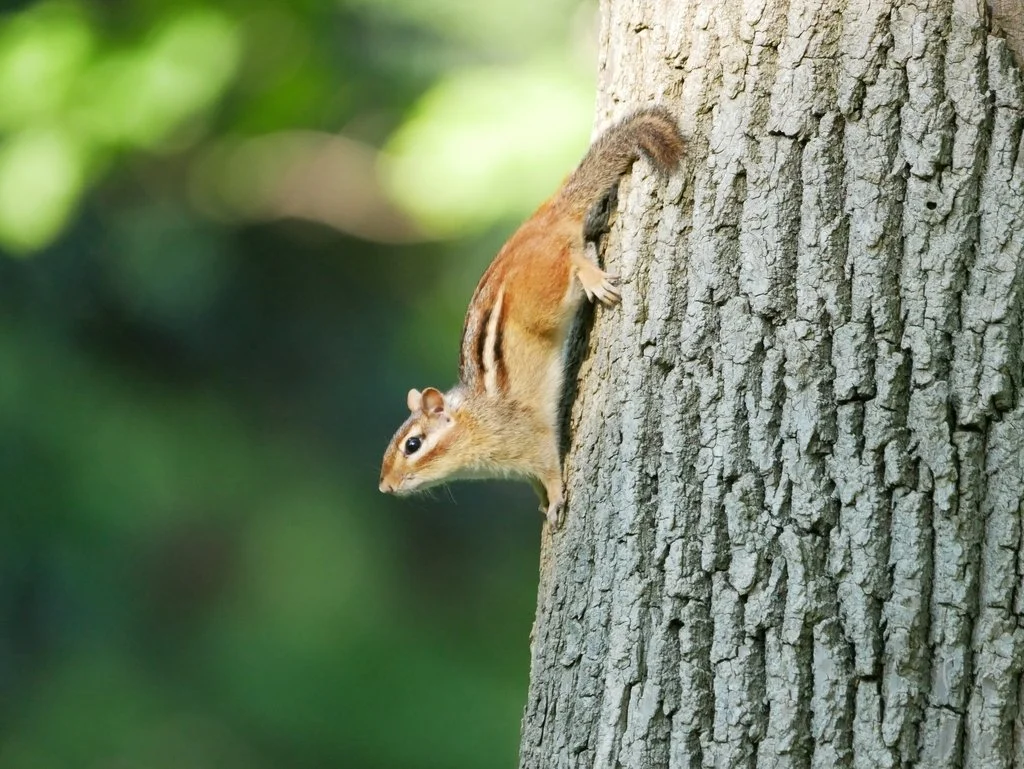
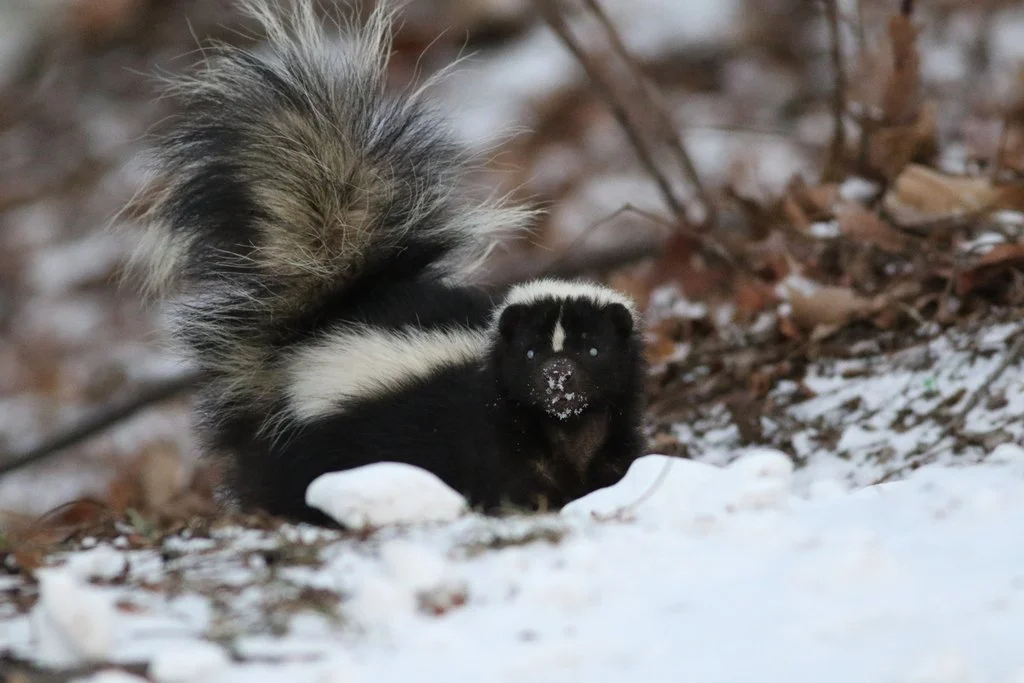
March marks the transition into spring here in Ontario. Warmer temperatures can force many mammals such as chipmunks (Tamiini) and skunks (Mephitinae), out of dormancy far sooner than normal. However, due to the massive temperature swings here in Ontario, mammals are likely experiencing what is known as ‘false-spring’, where they may experience a shortage in the fat reserves needed to survive, especially since vegetation or other food sources might not have emerged. One such animal that may start to be seen across Ontario is the snowshoe hare (Lepus americanus), which adapts to its environment by changing the colour of its fur depending on the season. During the winter they adopt a white coat, in order to camouflage against the winter snow. But as soon as spring starts to transition in, they molt their white fur in favour of a browner/reddish hue, which of course, helps them blend in with rocks and dirt. Should you wish to spot a snowshoe hare, it would be best to search during dawn or dusk, as they are nocturnal creatures. Additionally, you are likely to find them foraging in the newly blooming plants, grass, and flowers to satisfy their herbivorous diet.
Reptiles & Amphibians
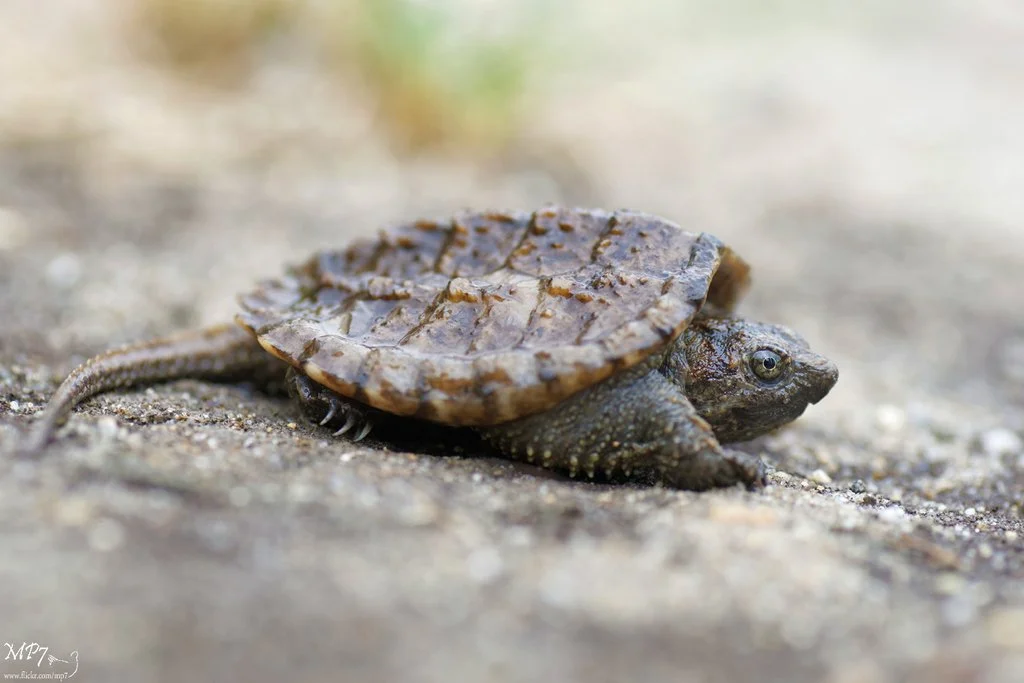
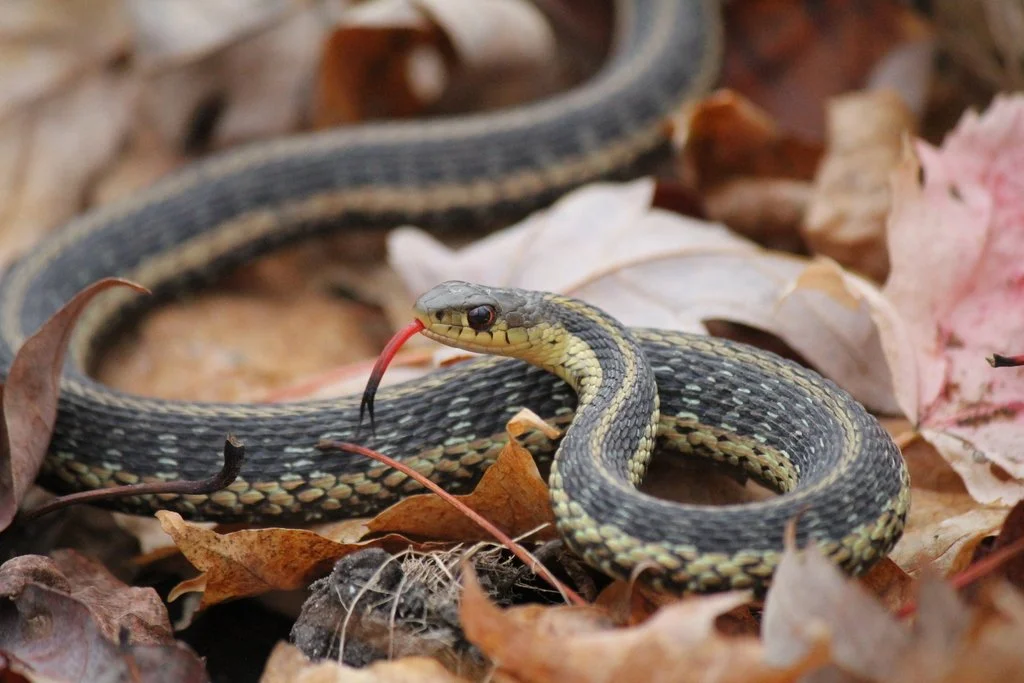
The rise in temperatures around March triggers the emergence of reptiles, such as the common garter snake (Thamnophis sirtalis) and the common snapping turtle (Chelydra serpentina). During sunny days you might even spot them basking in or around their over-wintering locations to increase their internal body temperature. Keen-eyed observers might even spot reptiles on the road; if you find yourself in such a situation, please make sure to assist them should the road conditions be safe enough to do so! You can call the Turtle Protectors Hotline or the Toronto Wildlife Centre.
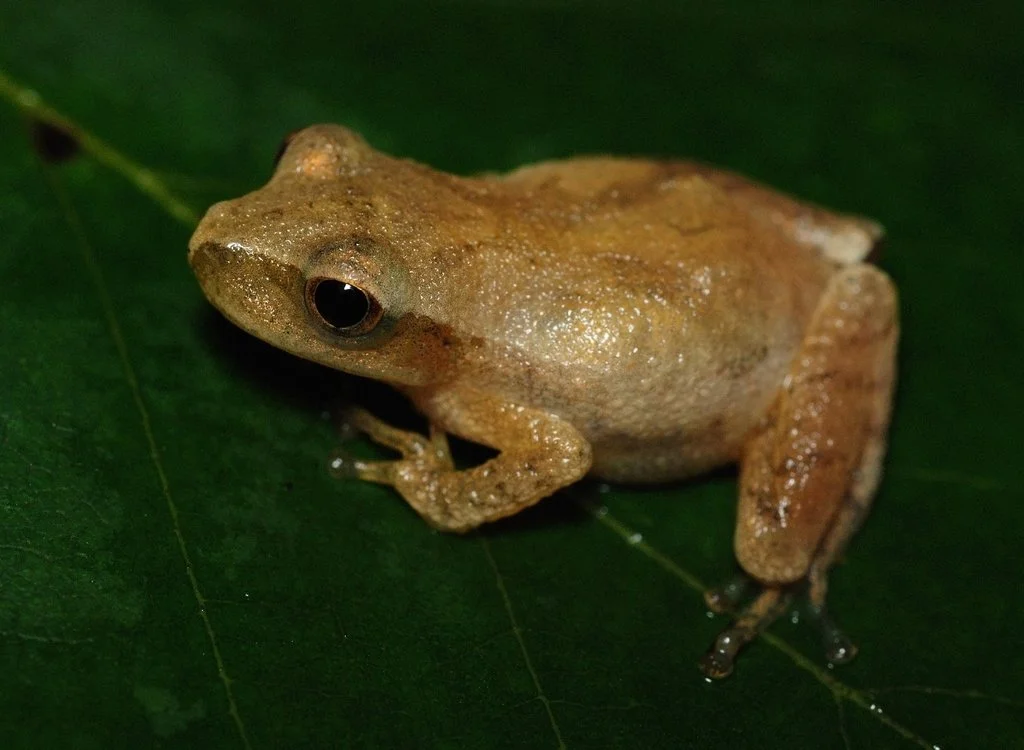
Like reptiles, March brings seasonal changes for amphibians. We can see the emergence of species such as spring peepers (Pseudacris crucifer) from their wetland overwintering sites as soon as temperatures rise and rains begin. In order to get around the turbulent weather patterns of early spring, many amphibians also tend to produce high numbers of offspring to maximise the potential of their survival. Furthermore, amphibians also try to emerge early to take advantage of temporary pools formed by melting snow, which do not house any predatory fish.
Trees & Shrubs
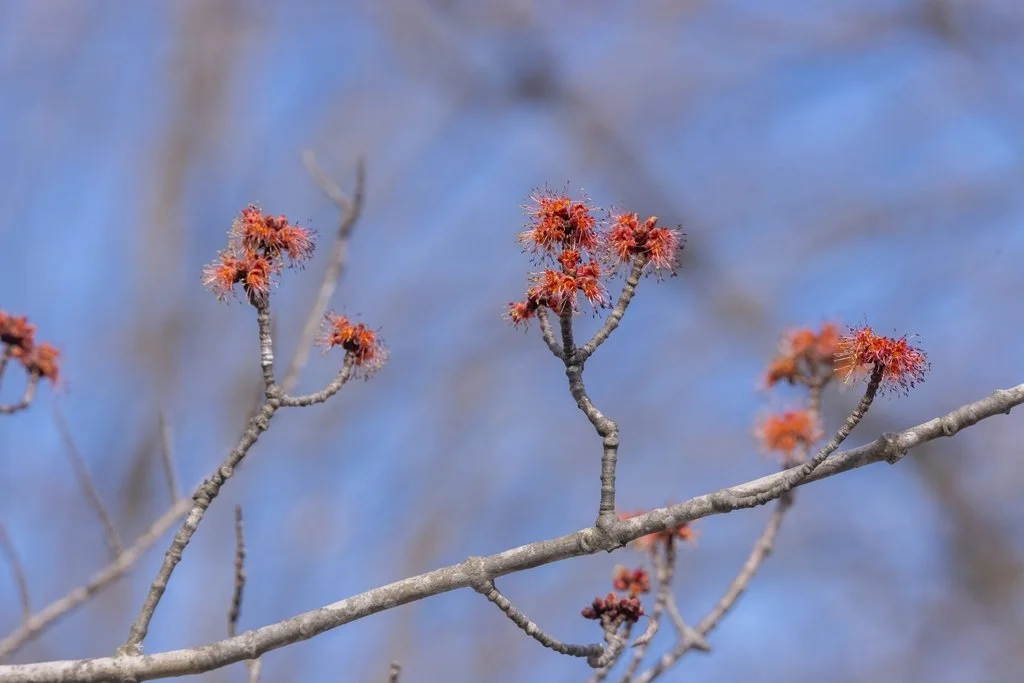
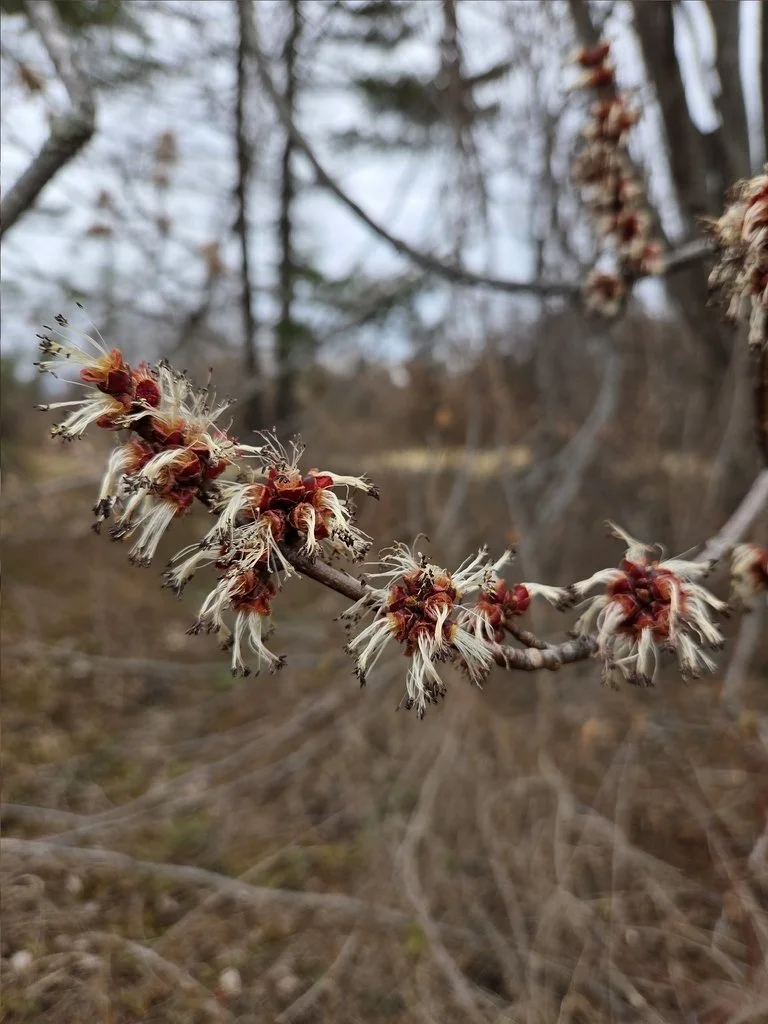
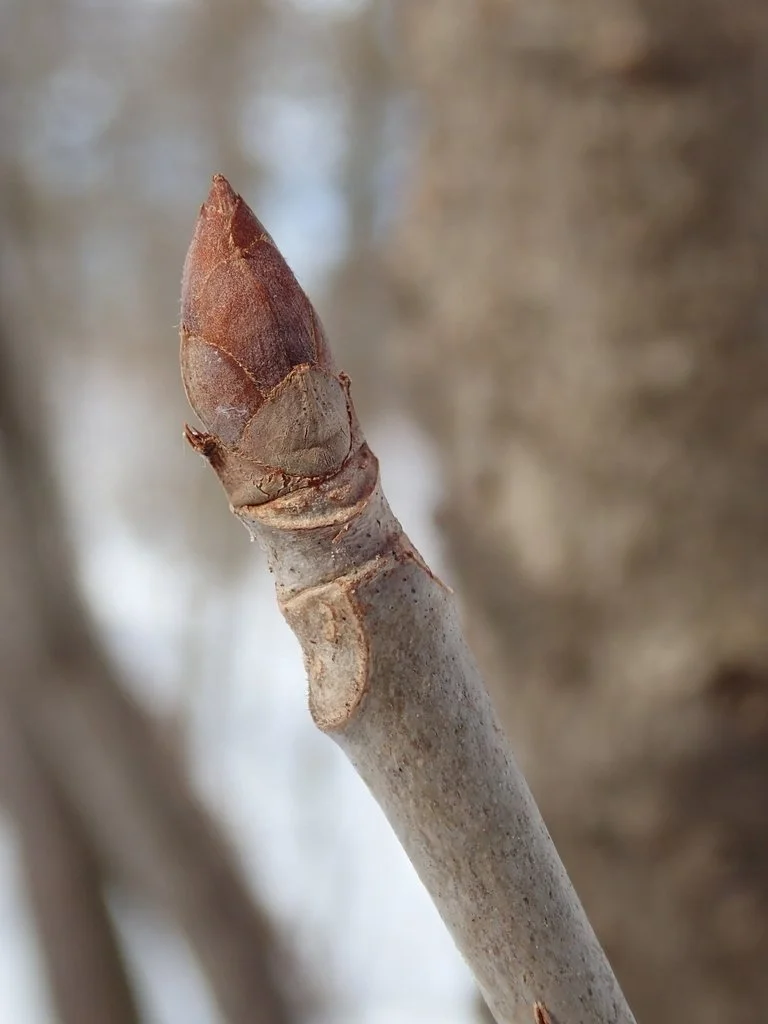
In March, we find ourselves in maple syrup season, which occurs each year between February and mid-April, when temperatures first start to rise above freezing. Maple syrup has been harvested by Indigenous peoples for thousands of years, and the period of maple sap collection in the spring is known as the maple moon or sugar moon. A spring thaw is necessary for maple sap to start flowing. Xylem tissues in plants transport water and dissolved minerals throughout the tree. In the winter, sugar is concentrated in the xylem sap, where it protects the tree tissues from freezing. In the spring, when xylem crystals start to melt, it creates high pressure inside the tree, which allows the sugar-rich sap to flow out of the tree when it is tapped. By the end of March, we can start to see maple trees like silver maples (Acer saccharinum) and red maples (Acer rubrum) start to flower. You can also look out for the large buds on Ohio buckeyes (Aesculus glabra), although these buds won’t open into leaves until early next month.
Wildflowers
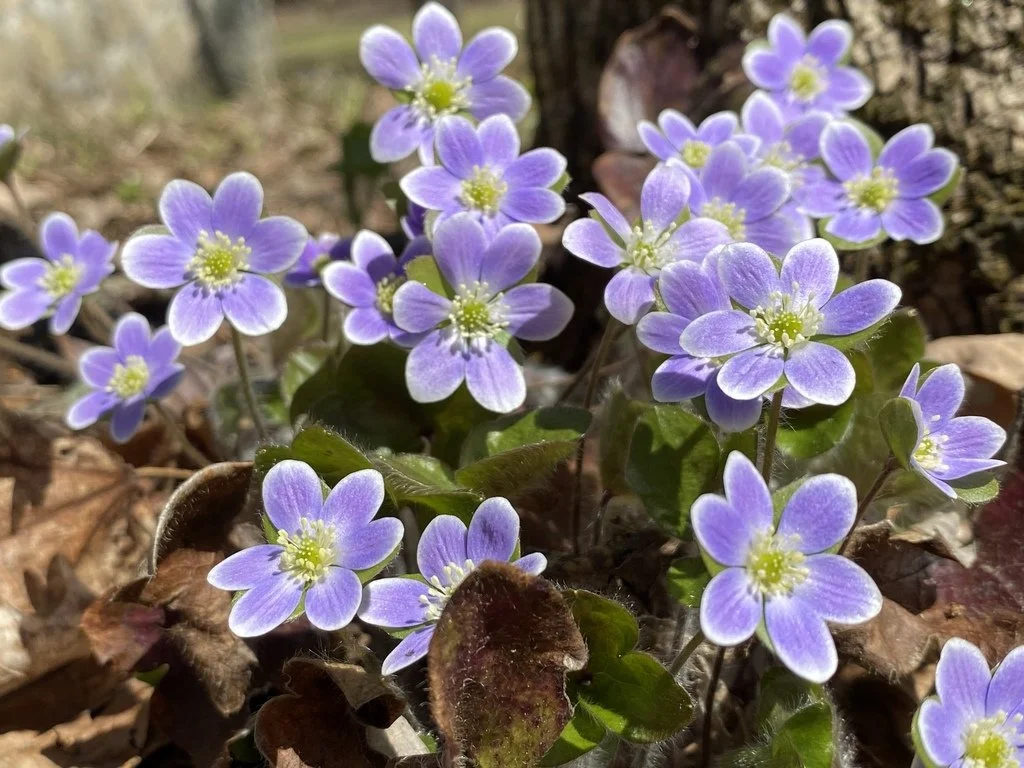
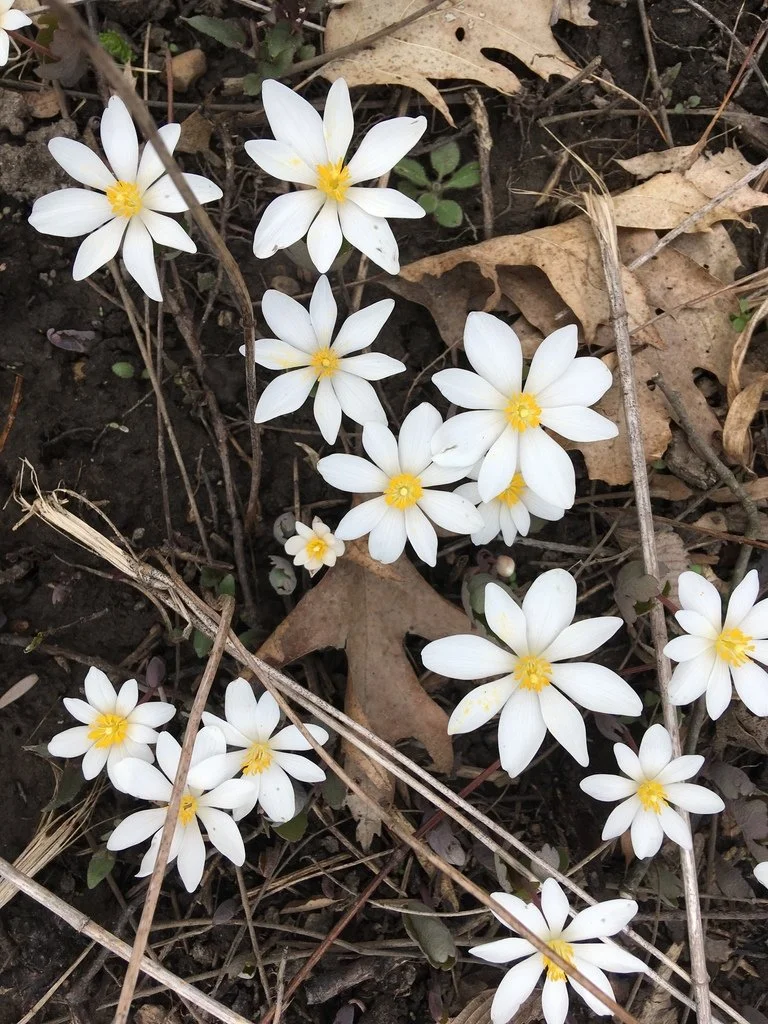
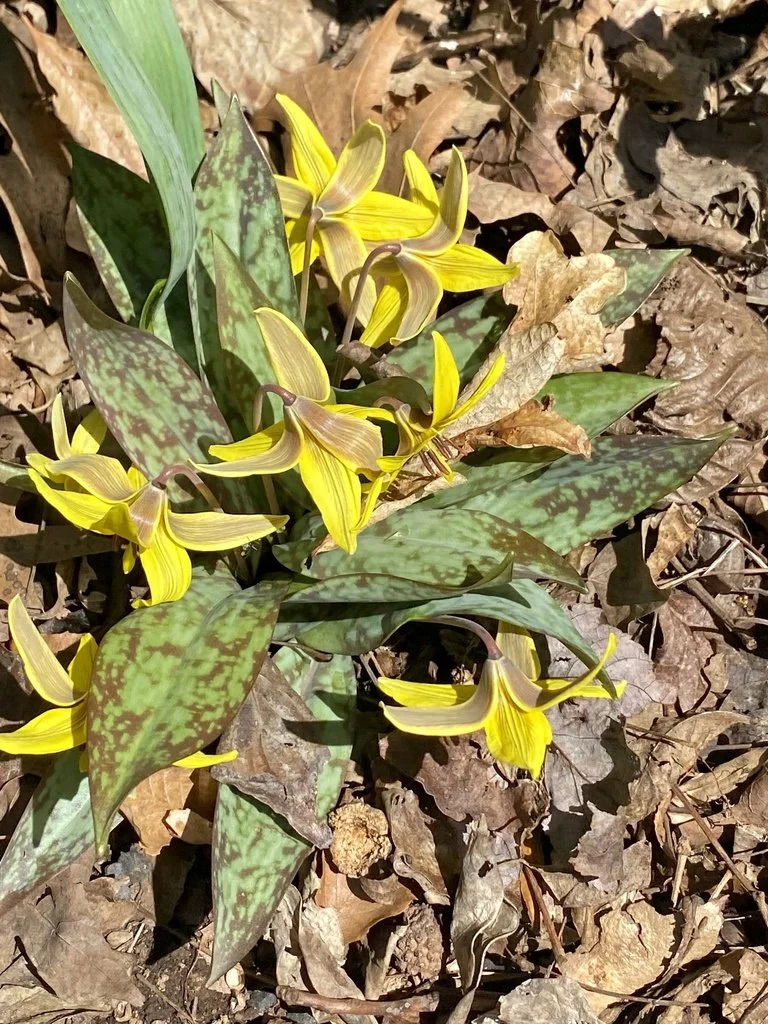
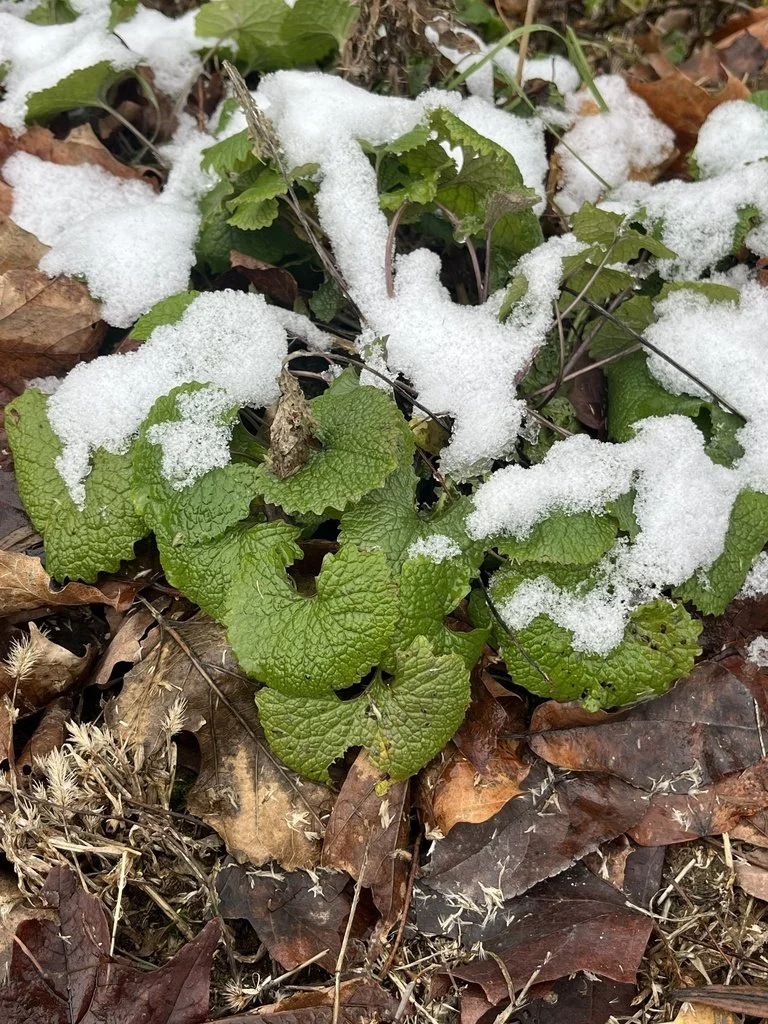
Most wildflowers are still dormant in March, however, a few early bloomers can be spotted throughout the month. These spring blooming wildflowers include bloodroot (Sanguinaria canadensis), hepaticas (Hepatica) and yellow trout lily (Erythronium americanum). Unfortunately, the highly invasive garlic mustard (Alliaria petiolata) also emerges early in the spring. Garlic mustard’s leaves remain intact and green underneath the snow during the winter, giving it the advantage to start photosynthesising early in the spring. Garlic mustard originates from Europe, and very quickly spreads where it has been introduced in North America. Garlic mustard often outcompetes and displaces native wildflowers and other vegetation. As the name suggests, garlic mustard is an edible plant with a garlic flavour. So by harvesting garlic mustard, we can both remove this invader from the ecosystem, and have a delicious addition to soups, salads and more. When harvesting, be sure to remove the entire plant, including all of the roots to prevent the continual spread of garlic mustard.
Fungi
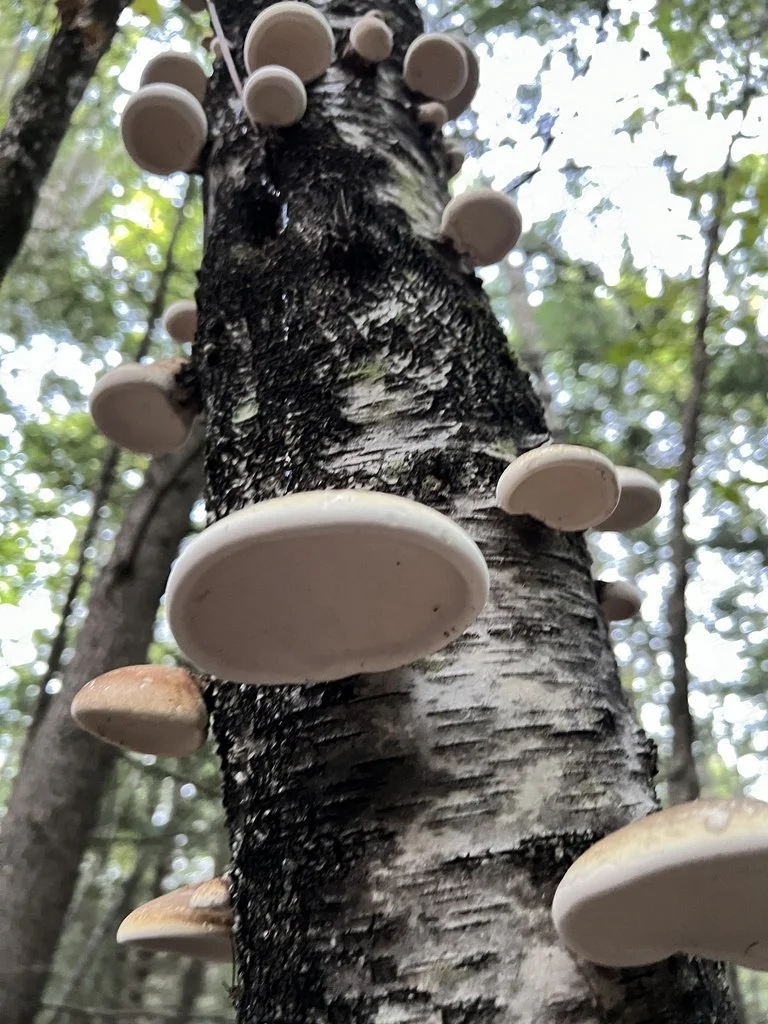
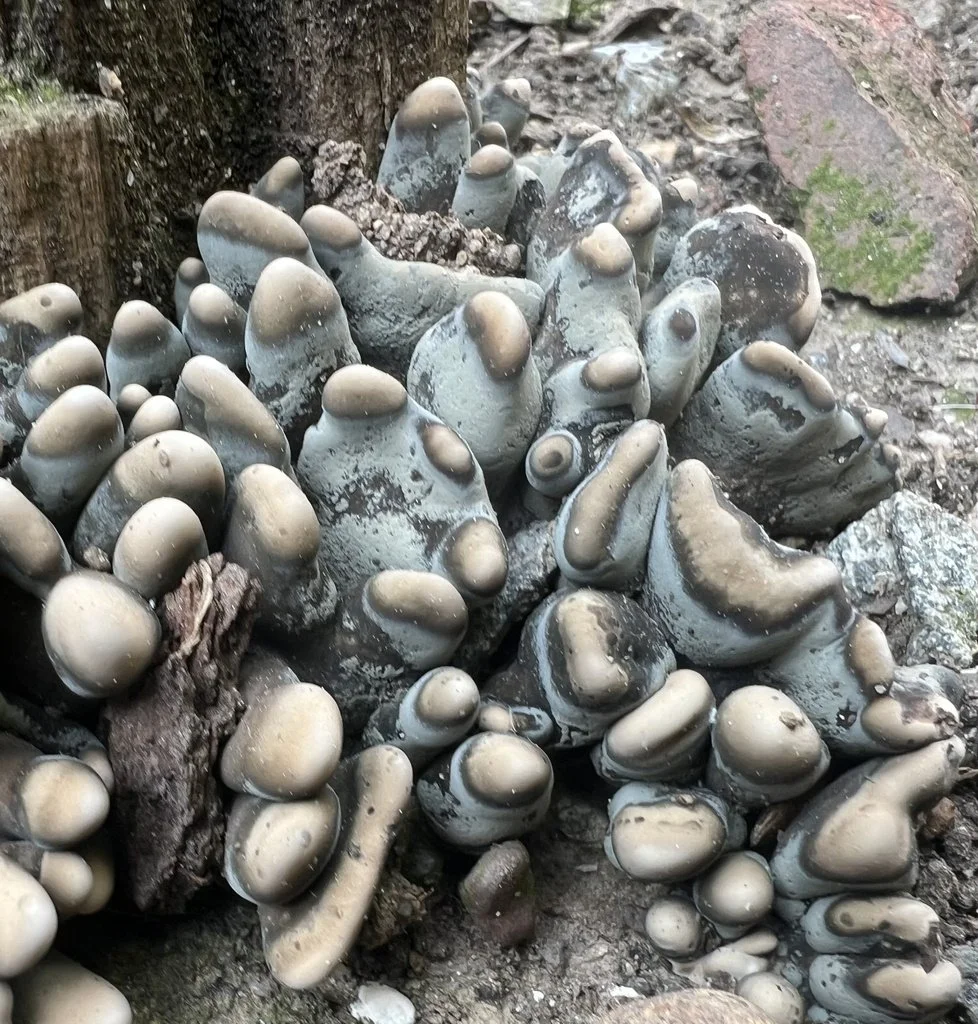
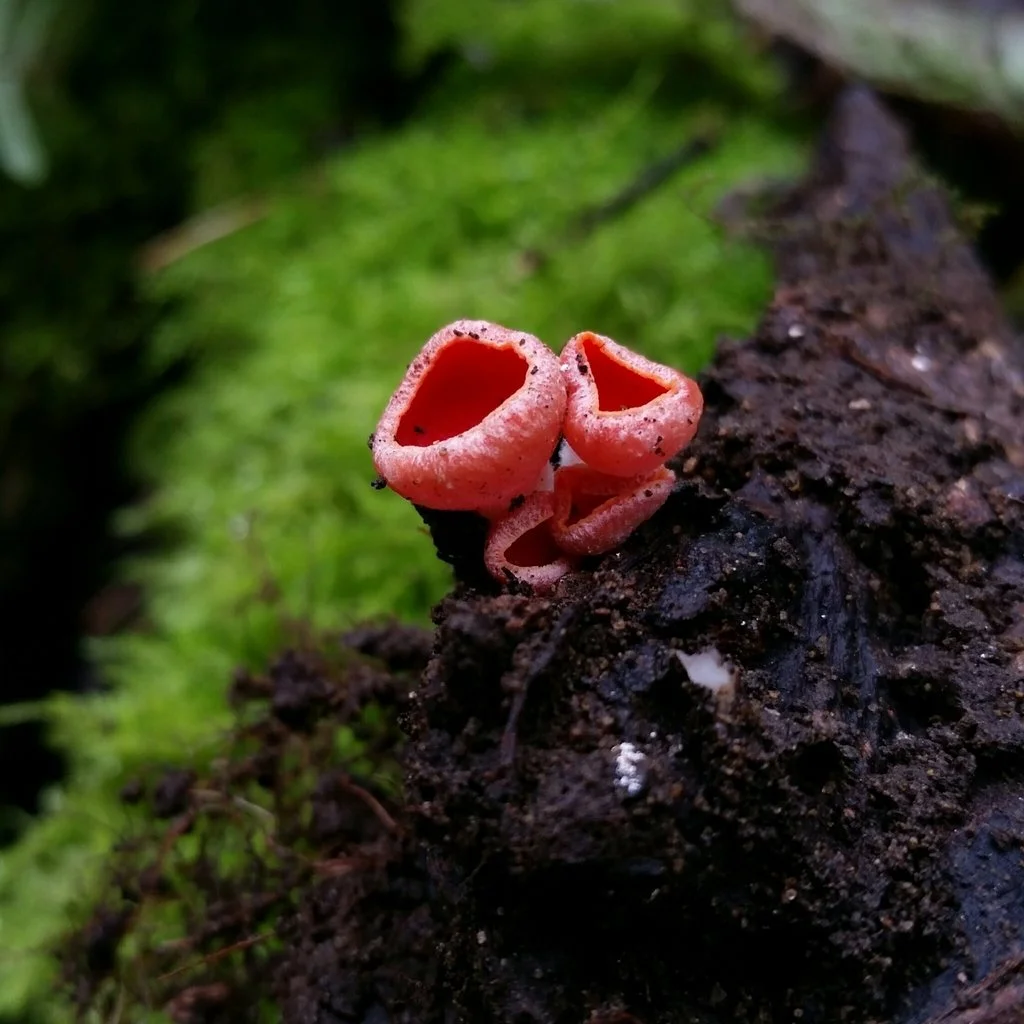
Although March is early for fungi season, as late summer and fall are typically peak times, specific species of fungi can still be found in parks, ravines, and garden beds. Some early-growing fungi that can be spotted in Ontario include birch polypore (Fomitopsis betulina), scarlet cup (Sarcoscypha coccinea), and dead man’s fingers (Xylaria polymorpha).
Birch polypore only grows on birch trees, and can typically be spotted on dead or dying trunks or branches. It grows from spring until fall–sometimes even surviving the winter. It has also been speculated to have medicinal and antibacterial properties, including activity against bacteria such as E. coli and even influenza viruses. Scarlet cup is one of the earliest cup fungi to appear in spring and fruits only during this season. It is also an easier species to spot this time of year, as it can be identified by its bright red colour. Scarlet cup is most commonly found growing on rotting sticks. Dead Man’s Fingers–like the name suggests–resembles finger-like structures bursting through the forest floor. It typically grows at the base of trees or on rotting stumps. In early spring, it first appears covered in a white to greyish powder made up of asexual spores, which later darken and turn black as the fungus matures. Its spores are released from small sacs through tiny openings on the surface of its fruiting bodies.
Insects and Arthropods
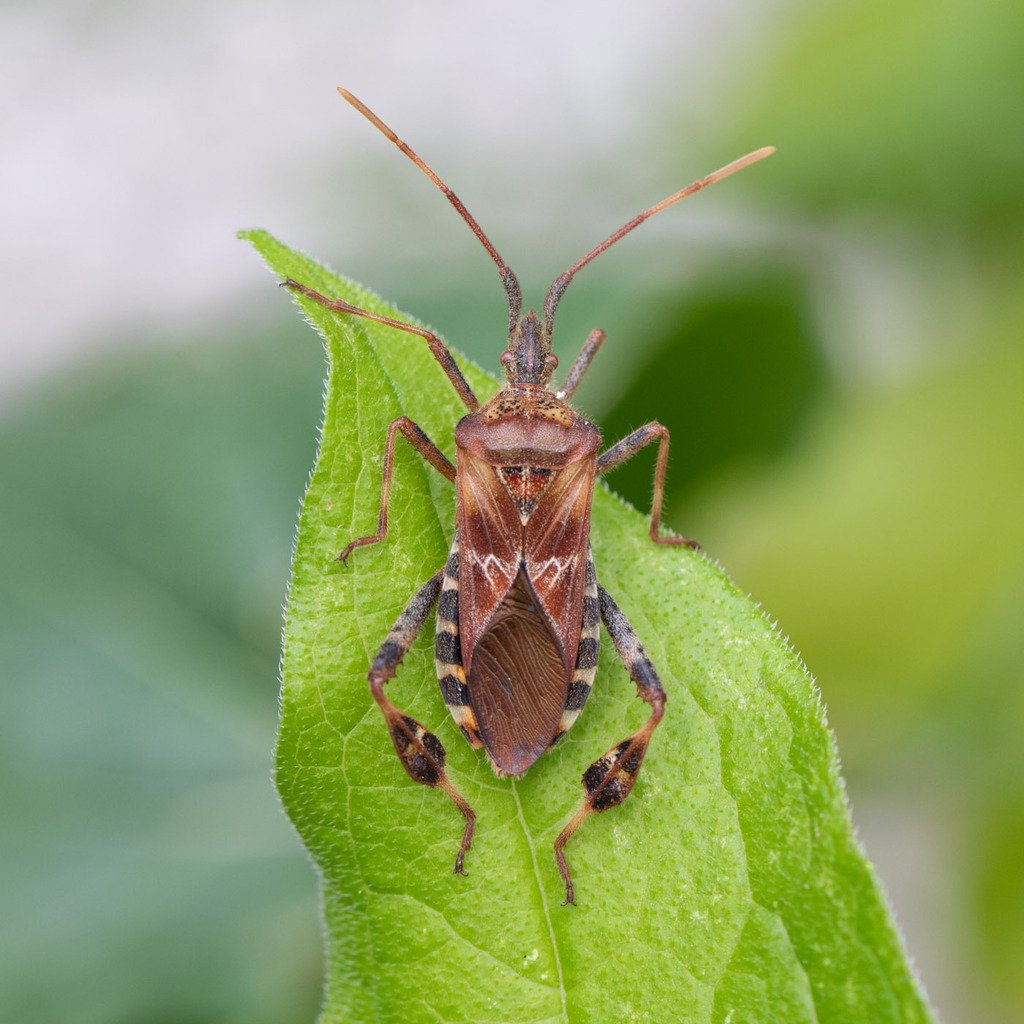
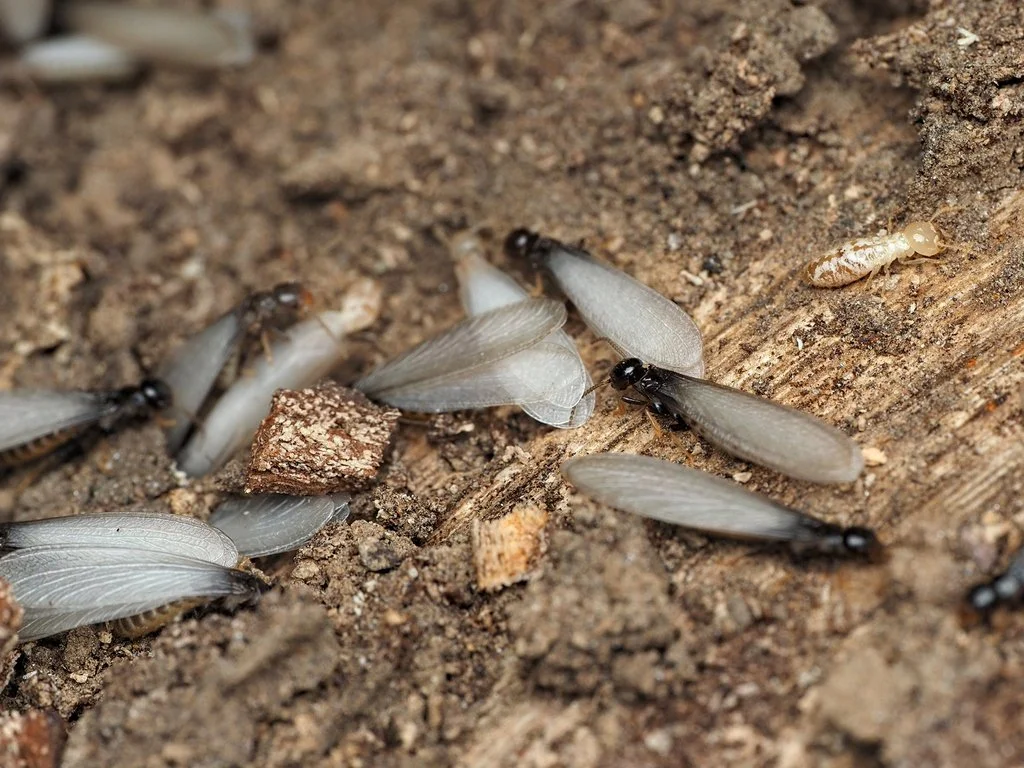
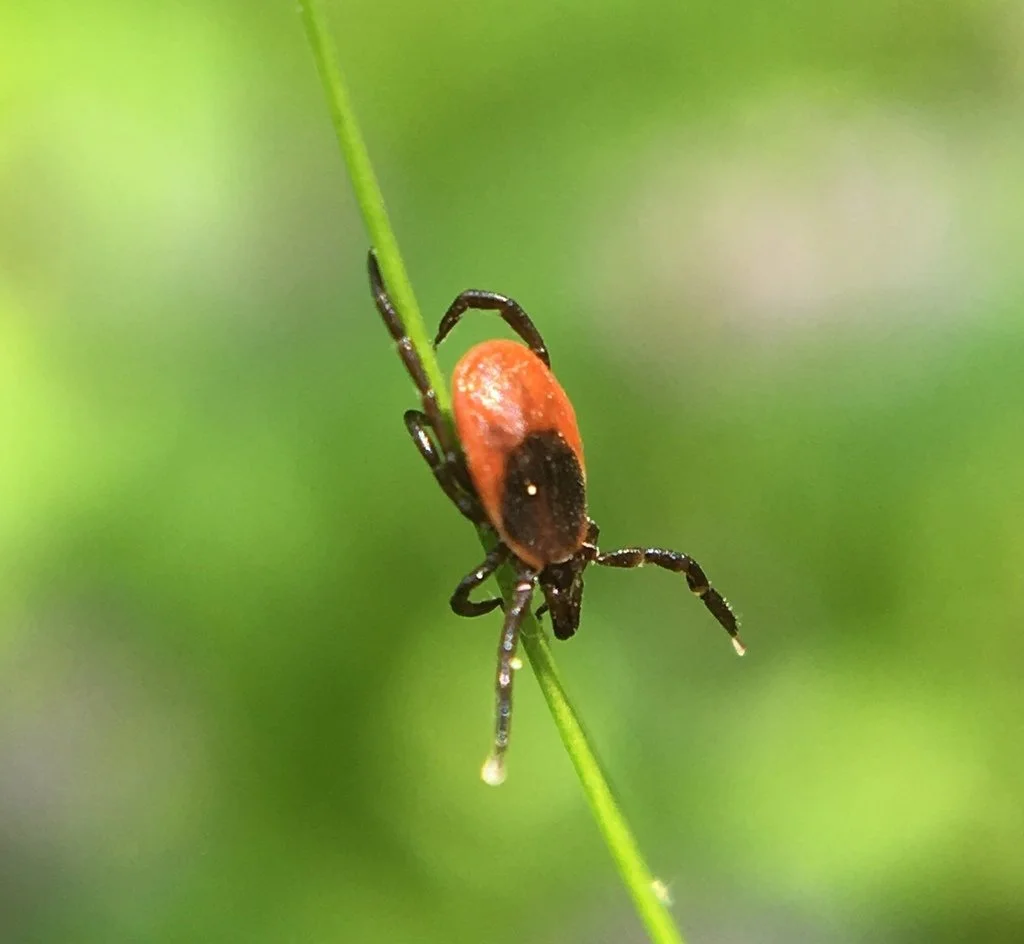
March marks the end of winter dormancy for many insects in Toronto. As temperatures rise and snow begins to melt, insects begin to emerge, find food, and establish new colonies. Some insects you can find around Toronto during this time are the western conifer seed bug (Leptoglossus occidentalis), eastern subterranean termite (Reticulitermes flavipes), and eastern black-legged tick (Ixodes scapularis).
The western conifer seed bug overwinters under leaf litter or in warm buildings such as houses–so don't be surprised if you see one of these arthropods strolling around your living room come March! As their name suggests, they were originally native to the west coast of North America, but over time they spread east to Ontario. Because they evolved in milder western climates, Ontario’s harsher winters can be difficult for them, which is why it’s not uncommon for them to seek shelter in homes and buildings. Another common insect to see in March is the eastern subterranean termite. In March, they become more active and begin searching for wood to forage on, while also entering their reproductive swarming phase. March not only marks the beginning of spring, it also marks the beginning of tick season. Eastern black-legged ticks are one of the most common tick species in Ontario. During winter, adults overwinter in the leaf litter on the forest floor. In spring, they lay thousands of eggs. Because ticks can carry several diseases–most notably Lyme disease–it’s important to conduct a proper tick check after spending time outdoors. Check here to learn more about tick bites.
Biodiversity events happening this month:
World Water Day Walk, with Grandmother Vivian Recollet and the High Park Nature Centre - March 22
Maple Syrup Festival (paid event) with the TRCA - March 16-20, April 3-6
Highland Creek Forestry Talk with the City of Toronto Urban Forestry Staff - March 31
High Park Family Friendly Eggventure (paid event) - March 29
Have a bright March,
The EcoSpark Team
Your monthly observations contribute essential data for understanding Toronto's urban biodiversity patterns. Record your findings on iNaturalist to support ongoing research into phenology, species distributions, and ecosystem relationships within our urban environment. However, please be aware of human and wildlife safety at all times and explore natural areas responsibly with ethical wildlife photography.
Primary Sources :
Red-winged blackbird . All About Birds, Cornell Lab of Ornithology. (n.d.). https://www.allaboutbirds.org/guide/Red-winged_Blackbird/overview
Tree Swallow . All About Birds, Cornell Lab of Ornithology. (n.d.-b). https://www.allaboutbirds.org/guide/Tree_Swallow/overview
Belted kingfisher. All About Birds, Cornell Lab of Ornithology. (n.d.-a). https://www.allaboutbirds.org/guide/Belted_Kingfisher/overview
Snowshoe Hare. National Wildlife Federation. (n.d.). https://www.nwf.org/Educational-Resources/Wildlife-Guide/Mammals/Snowshoe-Hare
Mammals in March. The Pathless Wood. (2024, November 25). https://meadowhawk.wordpress.com/2024/04/08/mammals-in-march/
Howes, N. (2026, February 14). Climate change effects on Canadian wildlife show how vital winter is. The Weather Network. https://www.theweathernetwork.com/en/news/climate/impacts/climate-change-effects-on-canadian-wildlife-shows-how-vital-winter-is
Oliver, K. (2023, December 21). Amphibian Adaptations to Extreme Environments. Froglife. https://www.froglife.org/2023/12/21/amphibian-adaptations-to-extreme-environments/
Brezinski, S. F. (2026, March 13). Small wonders: How to be a spring peeper. Maine Audubon. https://maineaudubon.org/news/small-wonders-how-to-be-a-spring-peeper/
Bedard, K. (2018, March 21). Where do reptiles go when there is snow?. Ontario Nature. https://ontarionature.org/where-do-reptiles-go-when-there-is-snow-blog/
Warmer days means active reptiles! . Georgian Bay Biosphere. (n.d.). https://georgianbaybiosphere.com/warmer-days-means-active-reptiles/
Reptile and amphibian hibernation. Hamilton Conservation Authority. (2026, February 11). https://conservationhamilton.ca/blog/reptile-and-amphibian-hibernation/
Todd, D. (2023, March 16). The roots of Canadian maple syrup. Toronto and Region Conservation Authority (TRCA). https://trca.ca/news/maple-syrup-roots/
Mazzone, J. (2025, February 20). The Science Behind SAP Flow in Maple Sugaring . PennState Extension . https://extension.psu.edu/programs/master-gardener/counties/franklin/news/the-science-behind-sap-flow-in-maple-sugaring
City of Toronto. (2016). Trees, Shrubs and Vines of Toronto: A Guide to their Remarkable World. Toronto Biodiversity Series.
5 early Ontario wildflowers to spot this spring. Ontario Parks Blog. (2026, February 23). https://blog.ontarioparks.ca/wildflowers-spring/
Anderson, H. (2012) Invasive Garlic Mustard (Alliaria petiolata) Best Management Practices in Ontario. Ontario Invasive Plant Council. Peterborough, ON.
Guidotti, A. (2012, October 19). Bugs are moving in (not bed bugs this time). Royal Ontario Museum. https://www.rom.on.ca/blogs/bugs-are-moving-not-bed-bugs-time#:~:text=They%20are%20relatively%20new%20to,run%20into%20in%20the%20fall
Seasonality of ticks. Tick Talk. (2026, February 2). https://ticktalkcanada.com/seasonality-of-ticks/
City of Toronto (2015) Mushrooms: A Guide to their Remarkable World. Toronto Biodiversity Series