
Cultivating BiodiverCity and Climate Resilience - December Issue
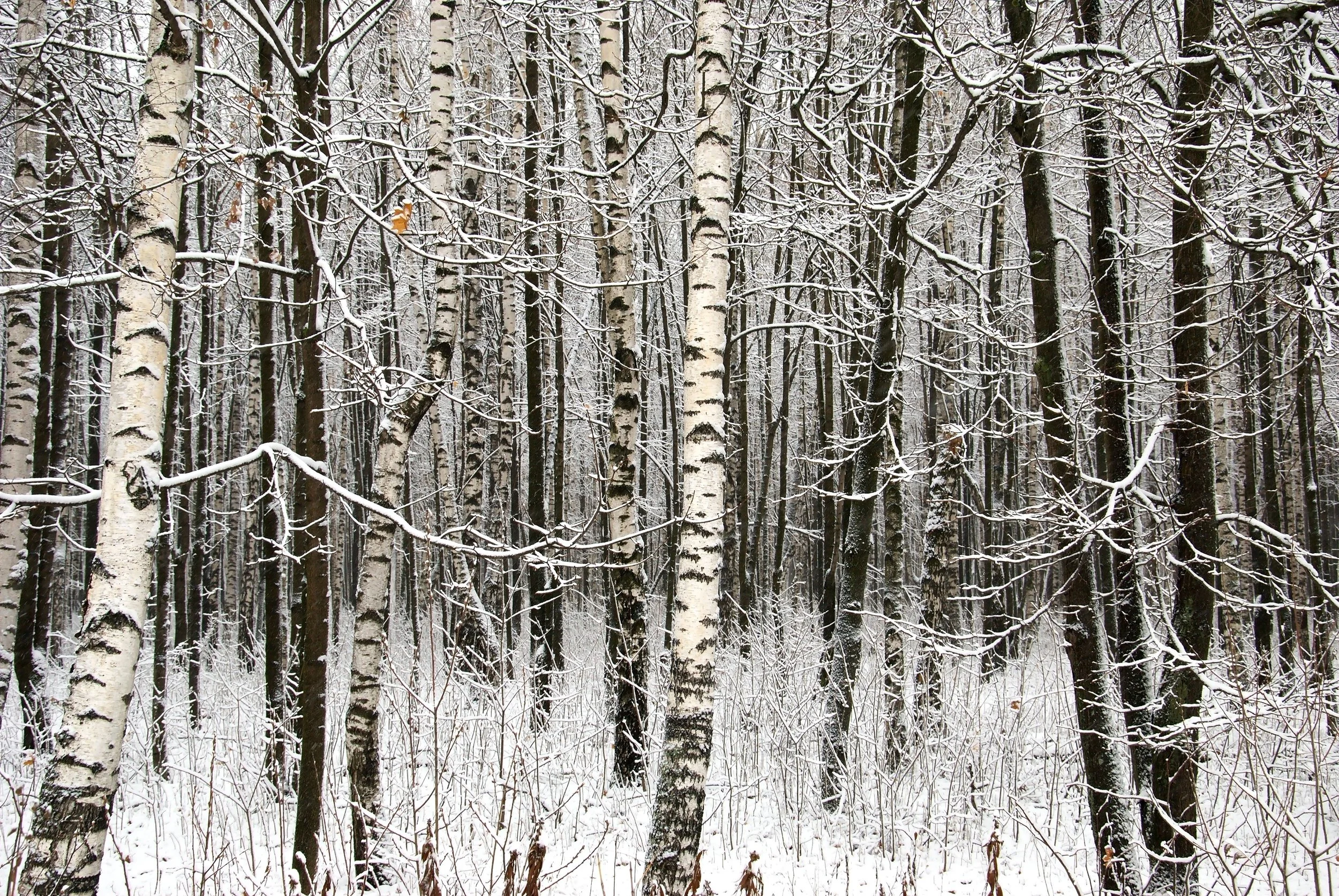
© Andrei Dolganov on Flickr
Dear EcoSpark Volunteers and Nature Seekers,
Welcome to the December 2025 edition of Cultivating BiodiverCity and Climate Resilience!
December brings the true onset of winter in Toronto: shorter days, colder temperatures, and a noticeable stillness across the landscape… Yet, beneath this quiet, many species continue their winter routines, and signs of life remain abundant for those who know where to look! Each section below highlights wildlife, plants, and fungi active in Toronto’s parks, ravines, and green spaces this month.

Birds
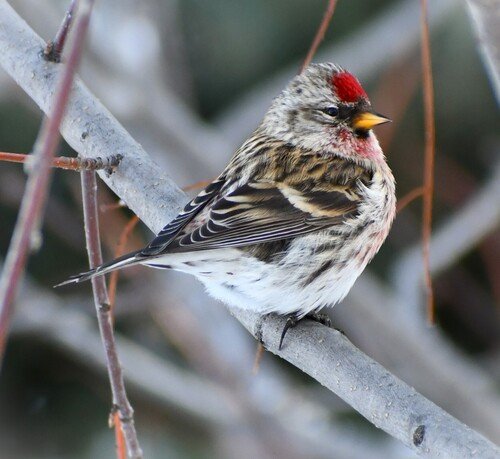
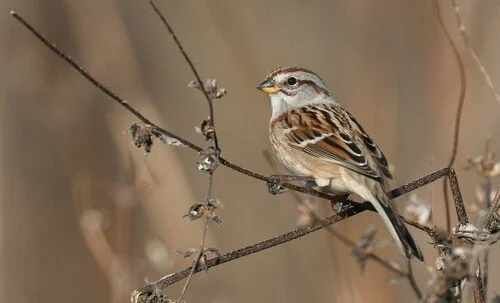
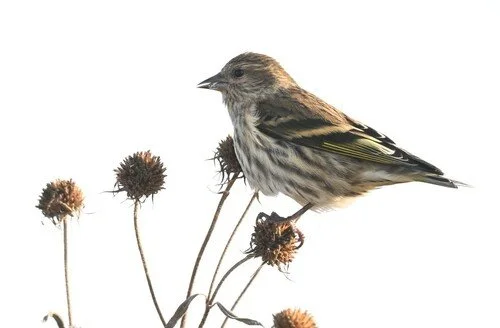
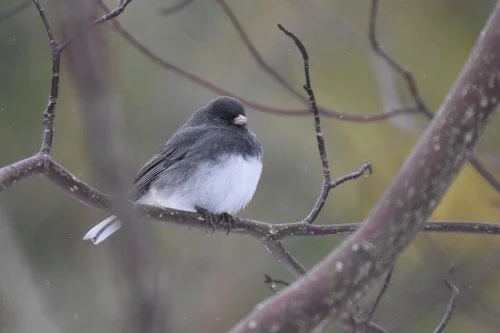
As winter sets in, Toronto’s bird community shifts to its year-round and winter-visiting residents. Many species have completed their migration journeys, but a range of northern breeders arrive to spend the winter in Southern Ontario. For example, the Dark-eyed Junco (Junco hyemalis) and American Tree Sparrow (Spizelloides arborea) spend winter in Southern Ontario after breeding up North. Due to rising temperatures, some birds might be able to spot “irruptive” birds. Irruption occurs when boreal habitats, usually home to less common birds like Purple Finch (Haemorhous purpureus), Common Redpoll (Acanthis), or Pine Siskin (Spinus pinus), lack sufficient food for the birds to stay. So, they migrate South to visit urban populations in search of resources. Warmer-than-usual Decembers can leave birds out of sync with seasonal resources, while sudden cold snaps can leave them extremely vulnerable. You can help birds find seasonal resources by setting out feeders with high energy, local seeds like sunflower, coneflower and aster seeds.
Want to know more about what birds feed on during the winter, and how you can attract specific birds to your feeder? Check out this informational page made by the Edge of the Woods Native Plant Nursery!
Mammals
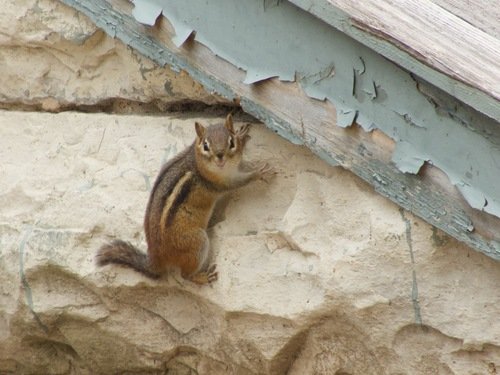
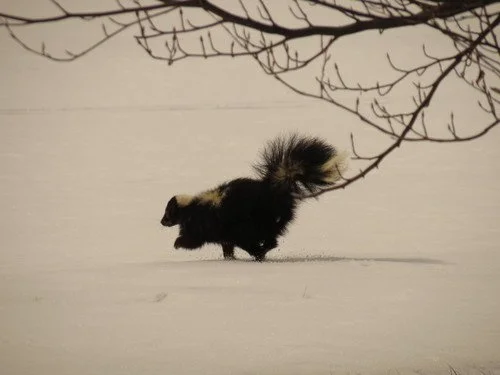
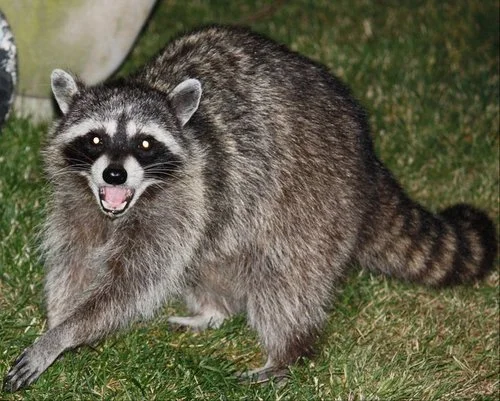
December marks the start of deep winter behaviour for many mammals. Species that entered torpor or light dormancy in November, like the Eastern Chipmunk (Tamias striatus), Striped Skunk (Mephitis mephitis), and Common Raccoon (Procyon lotor), now remain mostly hidden, conserving their energy until spring. For animals in a state of hibernation or torpor, warmer temperatures in December can disrupt their sleep cycles, causing them to wake more frequently, draining critical energy reserves.
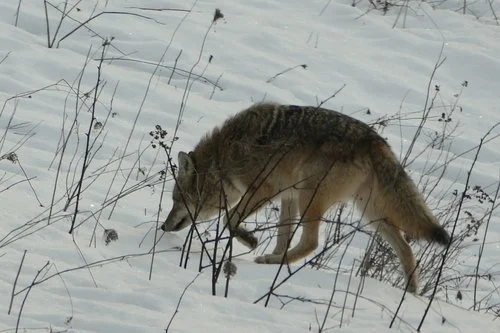
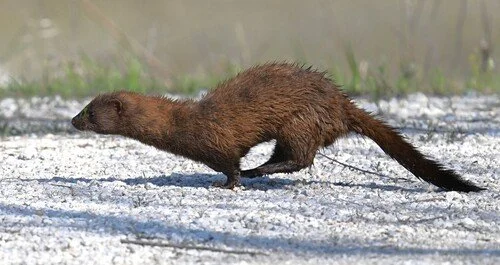
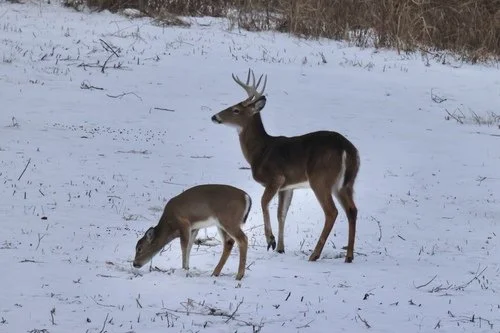
Other animals, like the Coyote (Canis latrans), American Mink (Neogale Vison), and White-tailed Deer (Odocoileus virginianus), stay active foraging for scarce food sources. To adjust for scarcer food supply, Coyotes have been known to expand their hunting ranges, using their senses to locate animals beneath snow cover. On the other hand, white-tailed deer shift to prioritizing energy conservation: they will browse on woody vegetation and travel less to avoid burning calories, while also growing a thick undercoat to survive the cold temperatures. Climate change threatens deer population by prematurely thawing their spring feeding grounds, leaving them out of sync with their habitat.
Reptiles & Amphibians
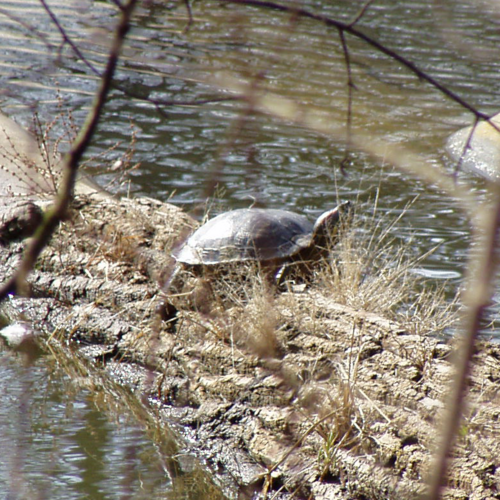
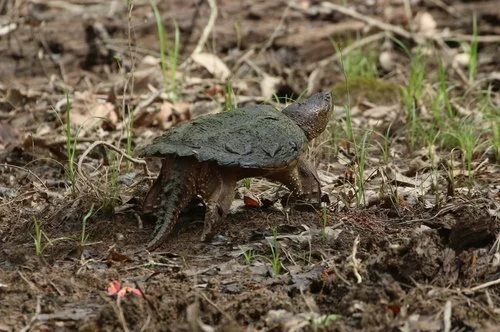
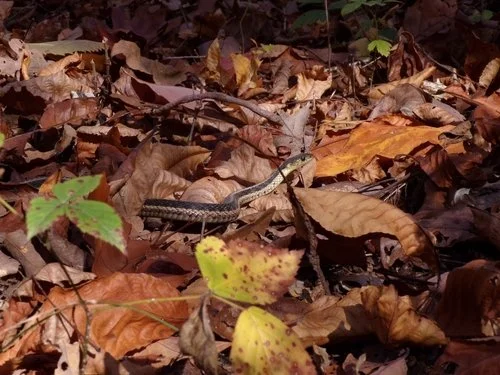
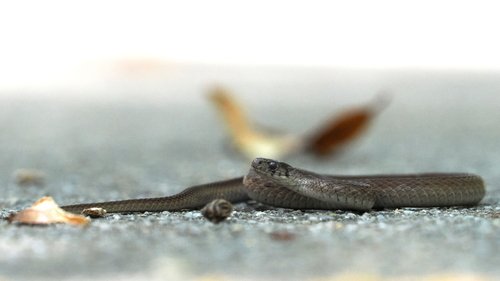
By December, nearly all reptiles and amphibians have fully settled into overwintering sites. Ideally, there should be no activity coming from reptiles and amphibians within this month. For the month of December, we’d like to spotlight the overwintering habits of snakes and turtles! Snakes are generally cold-blooded animals, meaning they cannot withstand cold temperatures. Native snakes like the Common Garter Snake (Thamnophis) and Dekay’s Brownsnake (Storeria dekayi) spend their winters in subterranean hibernacula, which are chambers laid with multiple tunnels to suit their microhabitat preferences. Turtles, like the Common Snapping Turtle (Chelydra serpentina) and Pond Slider (Trachemys scripta), spend their winters beneath the waters. How do they survive harsh freezes? Turtles are ‘ectotherms’, meaning their body temperature is dependent on external sources of body heat. Turtles are able to shift in order to match the temperature of their surroundings. Their body temperature can drop up to 90%, settling at almost 0 degrees Celsius. To breathe, they rely on ‘cloacal breathing’, which is when they draw oxygen from the water and absorb it through the skin into their blood vessels. If there is no oxygen in the water, they can even switch to ‘anaerobic respiration’, which is a form of metabolism that doesn’t even require oxygen.
Trees & Shrubs
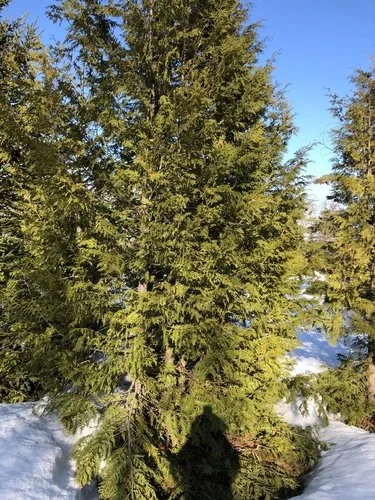
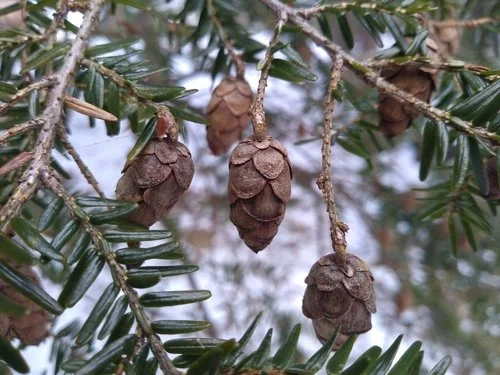
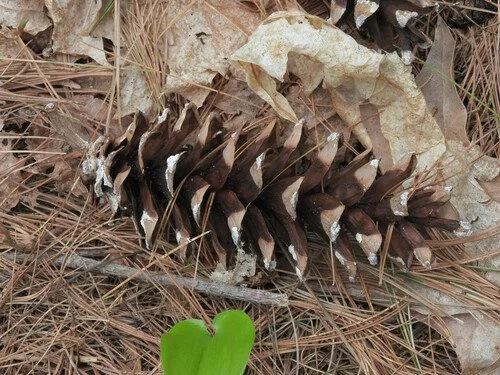
While most trees now appear dormant, there is still much happening in the plant world. Unlike deciduous trees, which at this point have shed their leaves, coniferous trees continue photosynthesis throughout winter. The Eastern White Pine (Pinus strobus), Eastern Hemlock (Tsuga canadensis), and Eastern White Cedar (Thuja occidentalis) provide vital winter cover for birds and mammals. The thin shape of their needles and leaves are uniquely suited for the winter because it prevents a build-up of snow and ice that would otherwise weigh down the tree and potentially cause damage.
Some trees native to areas with naturally colder winters are undergoing the final stages of a process called ‘cold hardiness’. Cold hardiness is a plant’s ability to survive in cold temperatures. Cold hardiness occurs in early winter when the cell membranes within the tree are replaced with unsaturated fatty acids, which lower the freezing point of the cell membranes. Unsaturated fatty acids have a lower freezing point than saturated fatty acids, which helps to prevent cell expansion. The goal is to protect the tree from internal freezing that can cause the water in the tree to expand and damage or even kill the tree through cell death. Some trees native to Canada, such as oak (Genus quercus), elm (Genus Ulmus), and maple (Genus acer), must undergo this process to survive the cold Canadian winters.

Wildflowers
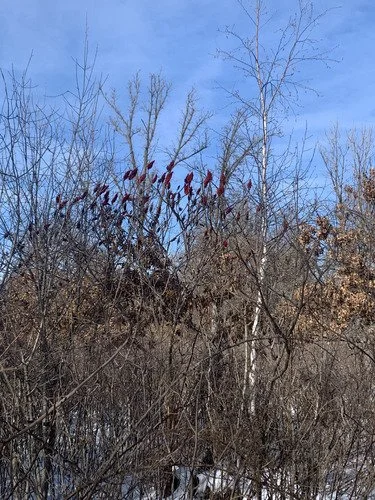
Although native wildflowers are now long dormant, their seed heads, stems, and dried structures remain essential elements throughout the winter months. Wildflowers are a crucial part of insect overwintering strategies – insects may use them as shelter or lay their larvae within the stems of perennials such as the Staghorn Sumac (Rhus typhina), Common Snowberry (Symphoricarpos albus), and the Red Osier Dogwood (Cornus sericea). You can help provide overwintering habitats for insects by letting wildflowers die back naturally. You can also mulch your gardens to provide more organic material and insulation for the overwintering insects. Also, fall through early Spring is the best time to sow the seeds of many of your native wildflowers. Not only does this promote plant diversity in your neighbourhood, but it also provides essential food for birds spending their winters in Southern Ontario.
Fungi
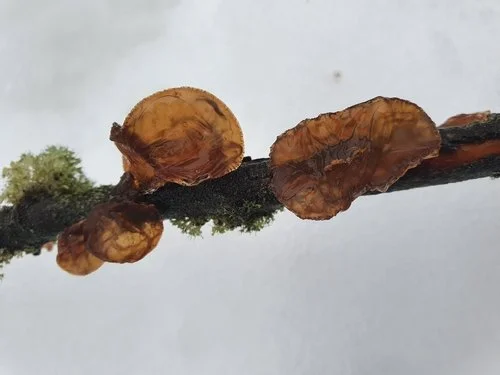
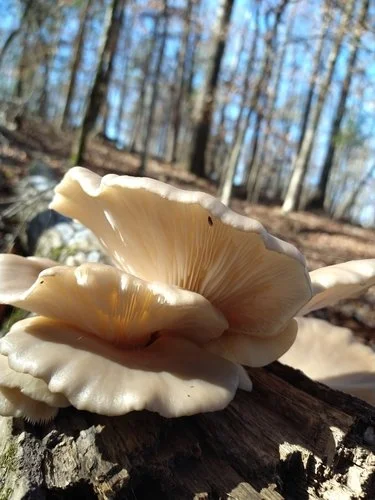
Winter does not spell the end for fungi—many species are adapted to thrive in cold conditions. The Oyster Mushroom (Pleurotus ostreatus) is also sometimes found during December thaws, particularly on dying hardwoods. Its pale, fan-shaped caps can appear unexpectedly even in freezing temperatures. You also may be able to see Amber Jelly Fungus (Exidia recisa). Jelly fungus usually grows on dead twigs and branches of the willow, and is known for its unique amber colour, which can be quite distinctive in contrast against the bleak December landscape. The Amber jelly fungus is one of the few fungi that can be found more in the winter than in the summer.
Insects
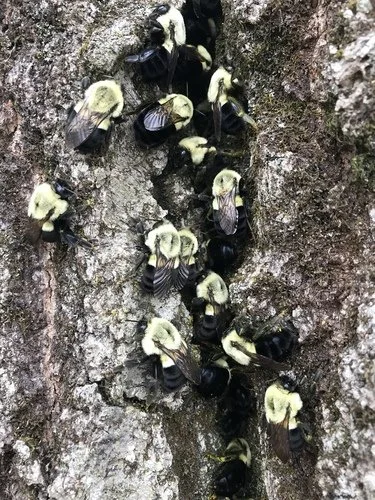
Most insects overwinter in one of four protective life stages: eggs, larvae, pupae, or sheltered adults. Take, for example, the humble bumblebee (Bombus) queen. Unlike her worker bees, who die off at the end of the season, the queen has to ensure the winter so she can found a new colony in the spring. To do this, she overwinters, spending the winter underground anywhere from 2 to 15 centimeters below ground in dense brush piles or loose soil. During this period, queen bees enter ‘diapause’, a state similar to hibernation, but not quite. Unlike hibernation, insects in diapause will remain dormant for the entire winter. Leaving brush piles undisturbed in the winter is key to pollinator populations! You can even help by placing more brush over exposed soil to provide more insulation for pollinators.
Biodiversity events happening this month:
Winter Birding Series: Raptors of Ontario (paid event), with the TRCA - December 6
Deck the Trails with Seeds and Berries @ Bruce’s Mill (paid event), with TRCA - December 7
Winter Wonders at Kortright’s forest (paid event), with TRCA - December 13
December Birding Walk in High Park, with High Park Nature Centre - December 13
Have a festive December!
The EcoSpark Team
Your monthly observations contribute essential data for understanding Toronto's urban biodiversity patterns. Record your findings on iNaturalist to support ongoing research into phenology, species distributions, and ecosystem relationships within our urban environment.
Primary Sources (Toronto Biodiversity Series):
City of Toronto. (2020). Birds of Toronto: A Guide to their Remarkable World (2nd edition). Toronto Biodiversity Series. https://www.toronto.ca/wp-content/uploads/2020/05/8ea3-City-Planning-Birds-of-Toronto-Biodiversity-Series.pdf
City of Toronto. (2016). Mammals of Toronto: A Guide to their Remarkable World (Parts 1 & 2). Toronto Biodiversity Series.
City of Toronto. (2016). Reptiles and Amphibians of Toronto: A Guide to their Remarkable World. Toronto Biodiversity Series.
City of Toronto. (2016). Trees, Shrubs and Vines of Toronto: A Guide to their Remarkable World. Toronto Biodiversity Series.
Additional Sources: