
Cultivating BiodiverCity and Climate Resilience - February
© Jeannine St-Amour on Flickr
Dear EcoSpark Volunteers and Nature Seekers,
February marks the last month of dormancy for many species of mammals, amphibians, reptiles and trees. In this edition, we will highlight some of the plants and animals that can be spotted throughout February, and some of the seasonal changes we can start to expect as winter comes to a close.
Birds
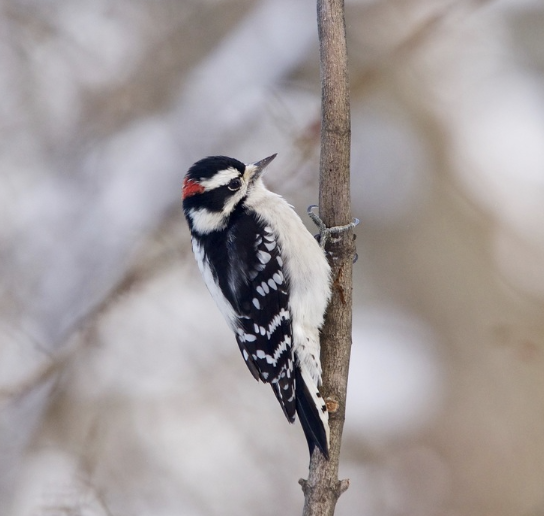
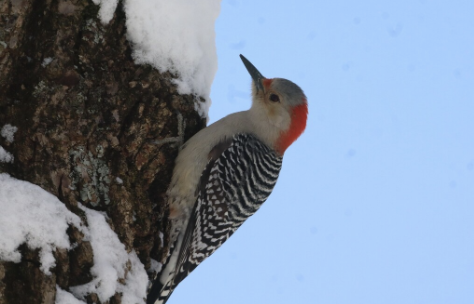
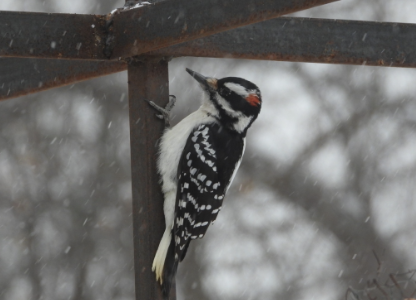
Throughout February, woodpeckers are some of the most common birds to spot around Toronto and the GTA. Unlike other members of the woodpecker family, such as northern flicker and yellow-bellied sapsucker, which migrate south for the winter, the downy woodpecker (Dryobates pubescens), red-bellied woodpecker (Melanerpes carolinus), and hairy woodpecker (Leuconotopicus villosus) are year-round residents that can easily be spotted throughout southern Ontario.
The downy woodpecker’s foraging habits in the winter are quite unique, as males and females split up, with females feeding on larger branches and trunks and males on weed stems and smaller branches. While they are usually spotted perched on tree branches, foraging for insects during the summertime, in the winter, red-bellied woodpeckers mainly eat berries and nuts, retrieving them from tree bark slits where they store them in the fall. Among the most widespread and geographically varied bird species in North America, hairy woodpeckers have a significantly flexible diet. In the summer, about 75% of their diet consists of insects. During the winter, however, they shift to eating mostly nuts, berries, and seeds.
Most of these woodpecker species can be spotted among the bare deciduous trees in areas such as High Park, Lambton Woods and along the Humber River.
Mammals
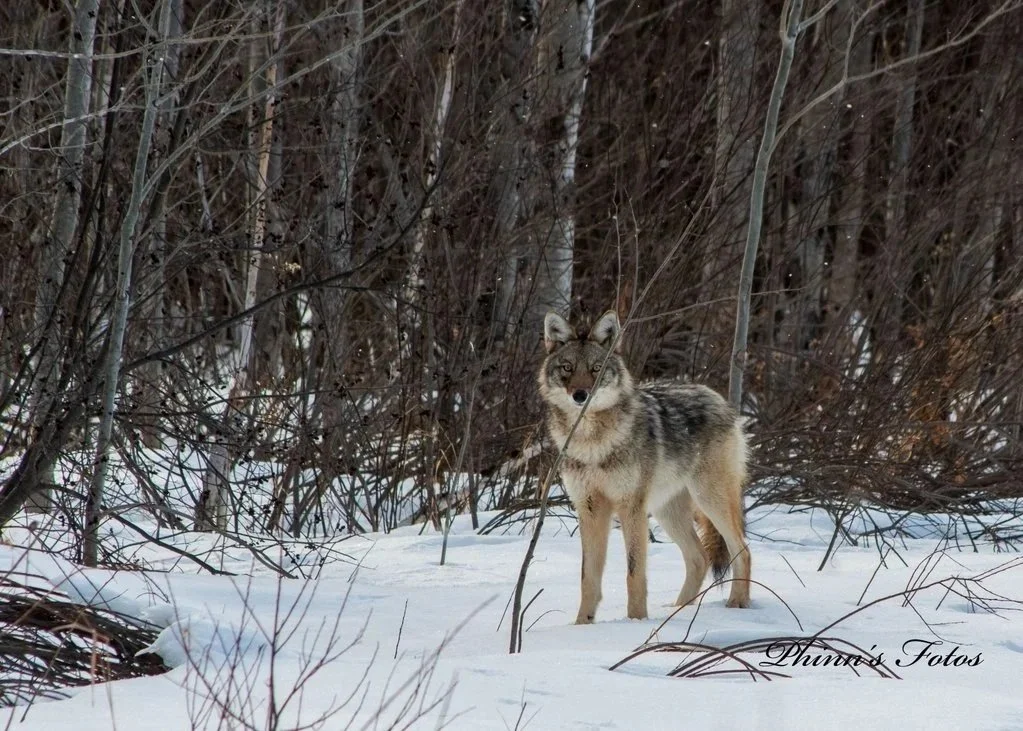
As we are well into winter in February, some mammals are in hibernation, or in shorter-term periods of reduced activity known as torpor. However, some mammals can still be seen in our urban winter environment. Notably, coyotes (Canis latrans) do not hibernate and can be seen throughout the winter months. Coyotes are a highly adaptable species and can thrive in urban settings which offer an abundance of food resources such as small rodents and discarded human food. Coyotes innately have a fear of humans, so will usually keep their distance from us, however, feeding coyotes can teach them to approach humans. So, it is important to never feed a coyote, directly or indirectly, to keep everyone safe and peacefully co-exist with our coyote neighbours.
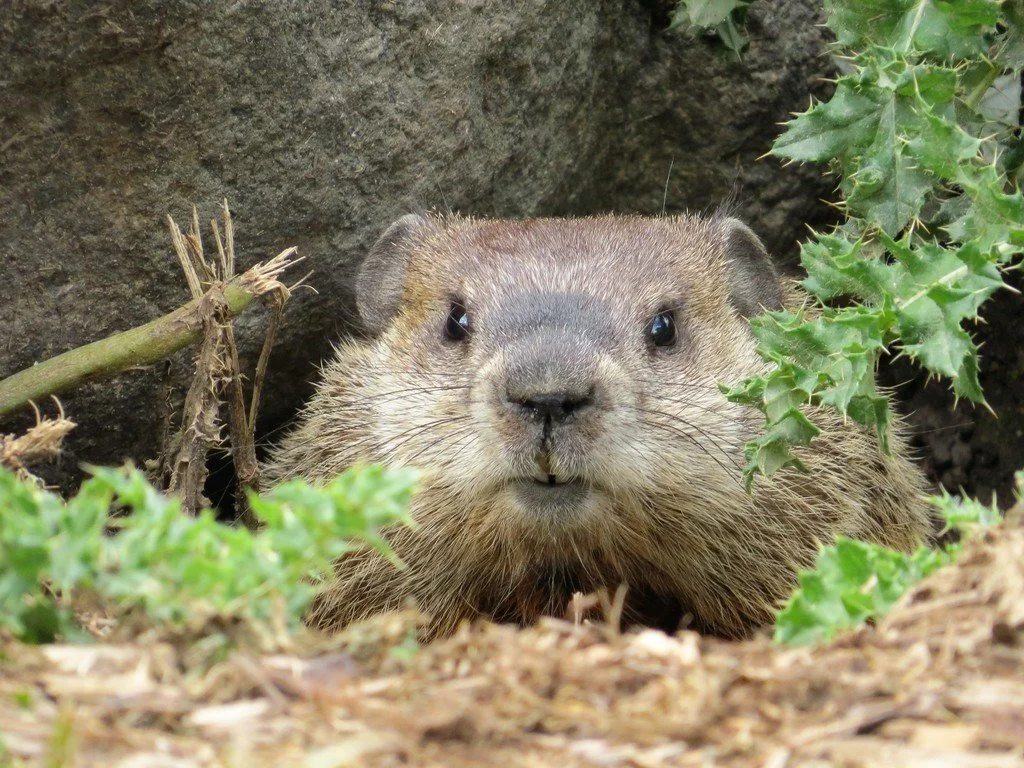
Earlier this month, on Groundhog Day, Wiarton Willie predicted an early spring for Toronto. However, we won’t see groundhogs emerge from their hibernation until March. Groundhogs (Marmota monax) are one of the few mammals that enter a true hibernation throughout the winter. Groundhogs, like their name suggests, spend the winter in underground burrows, where their body temperature can drop to as low as 3℃.
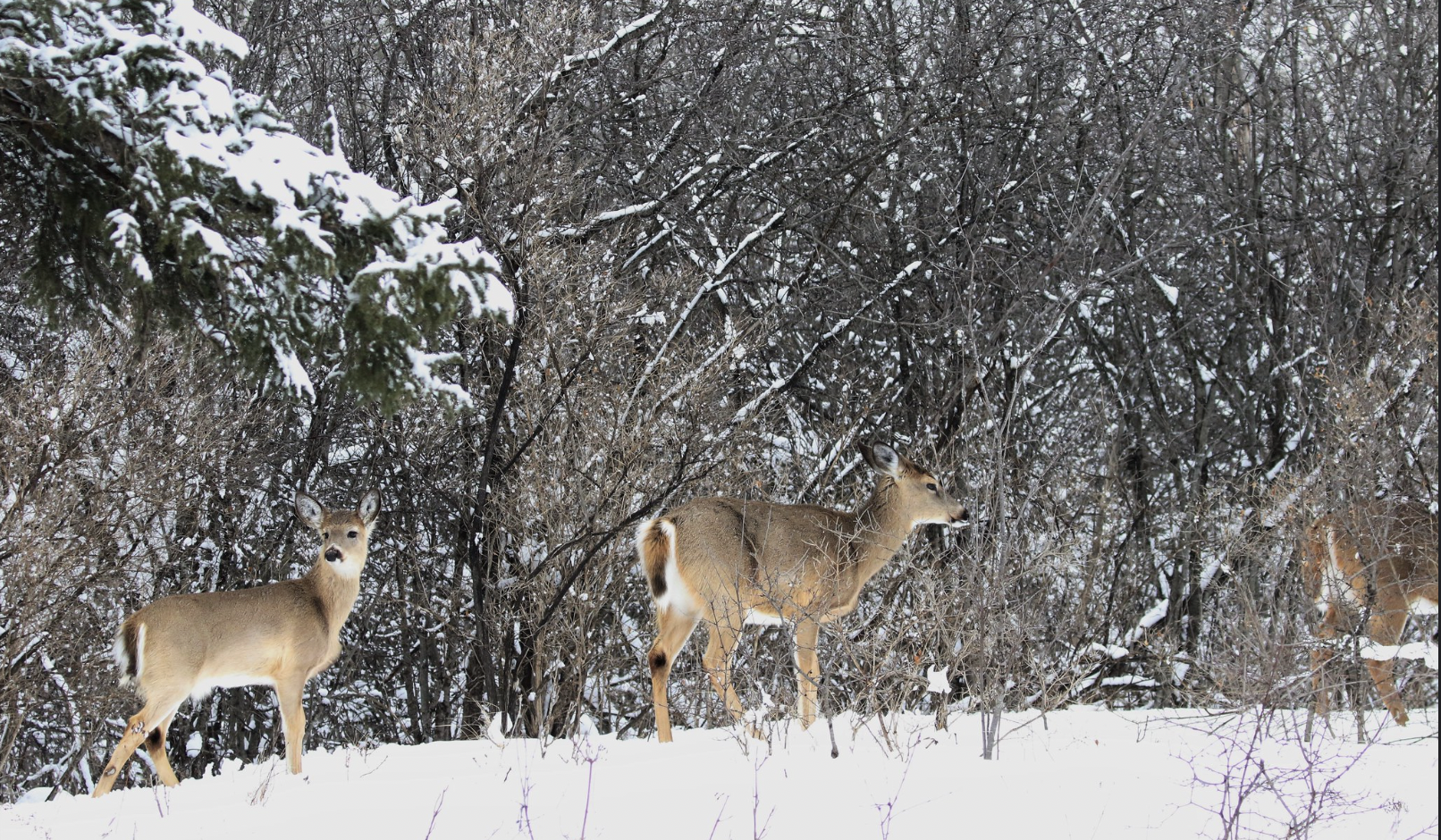
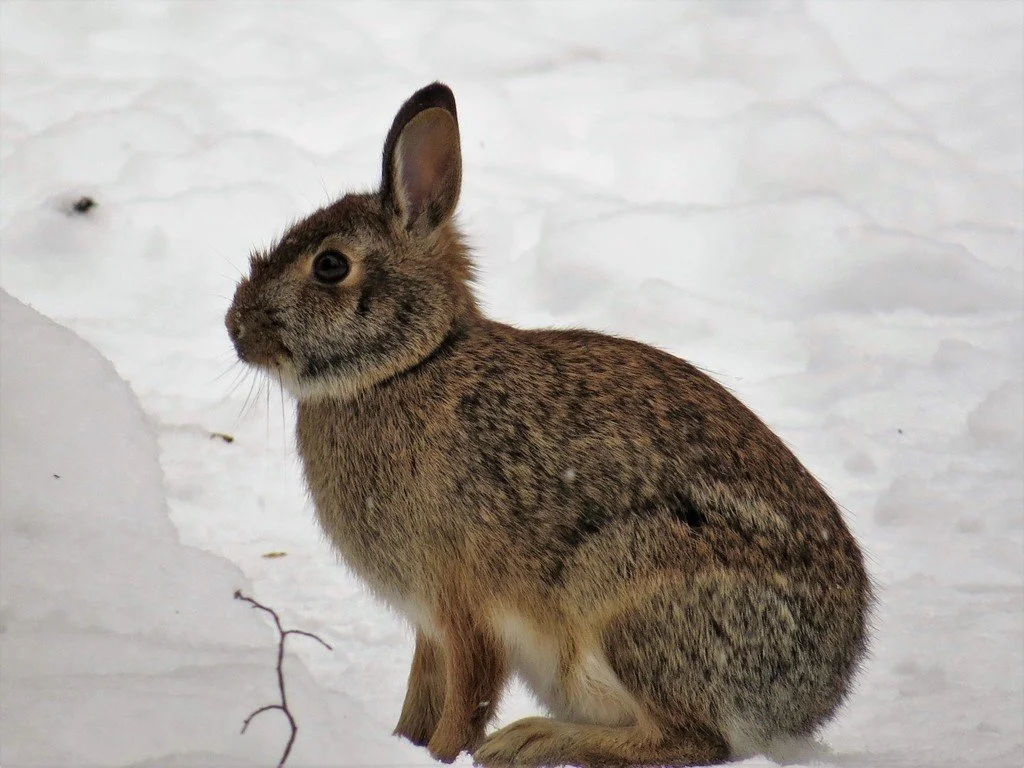
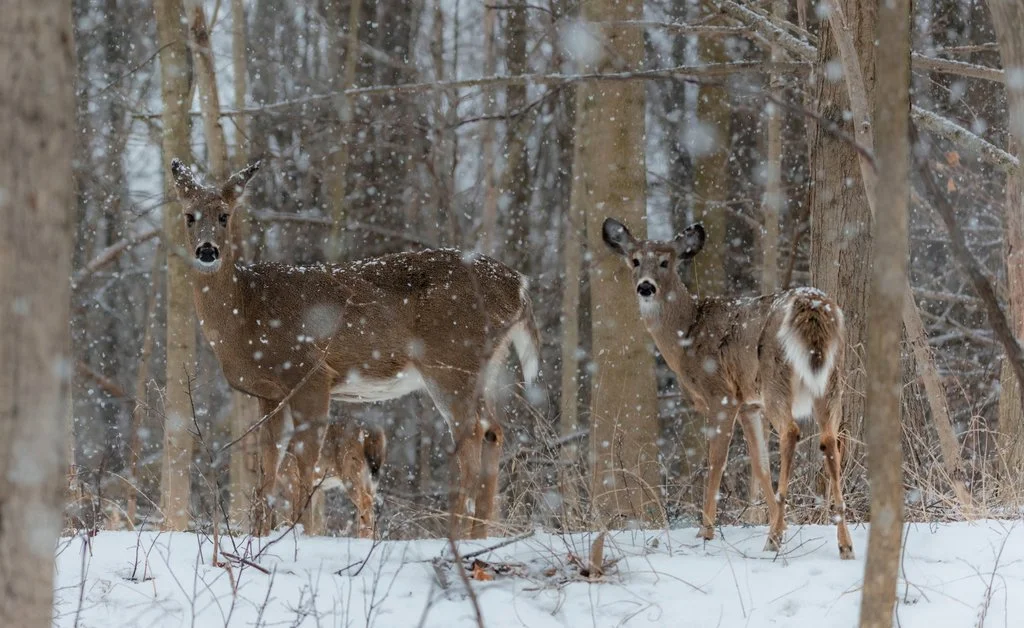
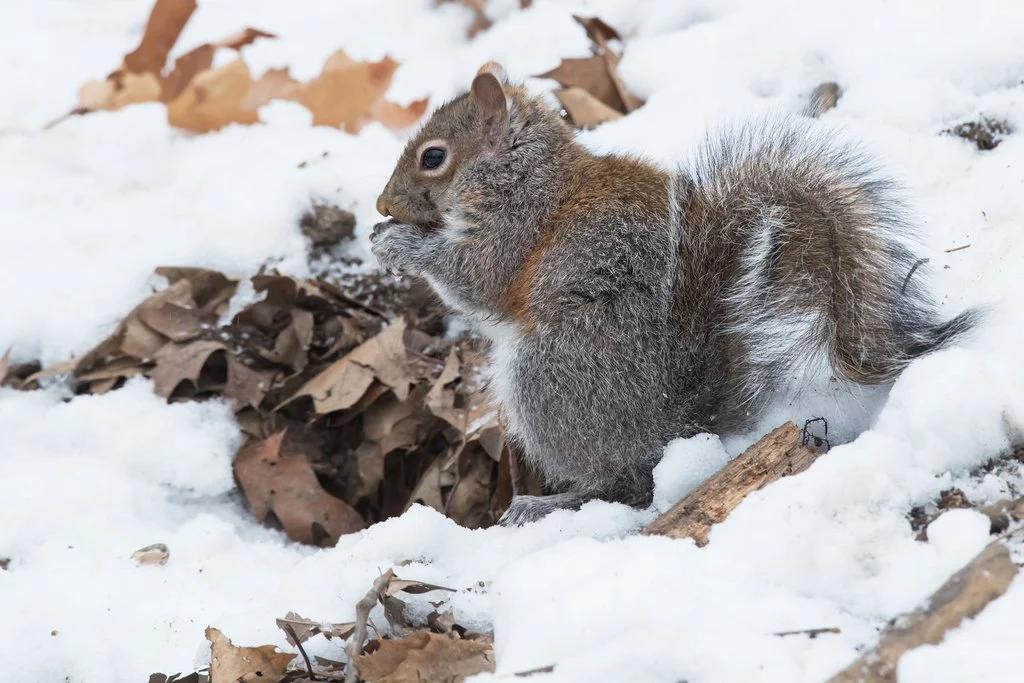
Other mammals that can be spotted throughout the winter months include white-tailed deer (Odocoileus virginianus), eastern grey squirrels (Sciurus carolinensis), and eastern cottontail rabbits (Sylvilagus floridanus)
Reptiles & Amphibians
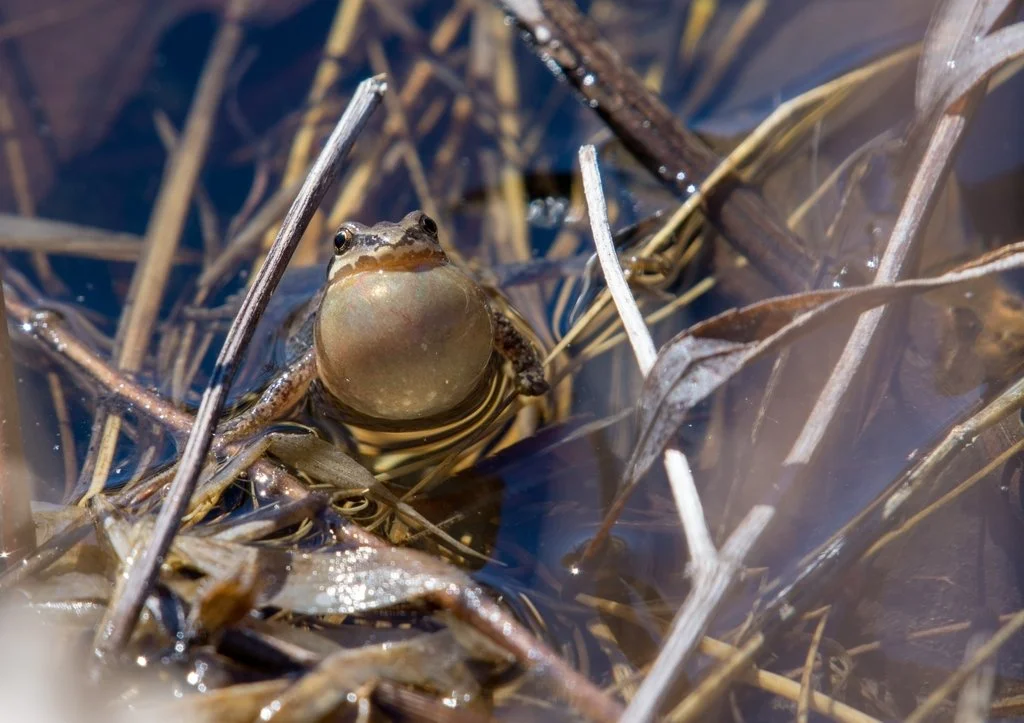
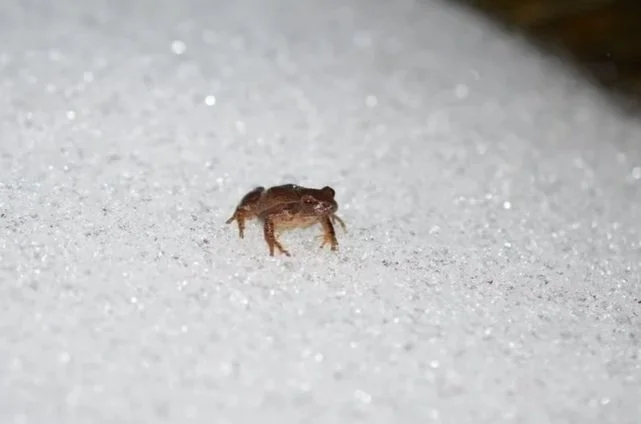

Reptiles (turtles, lizards and snakes) and amphibians (frogs and salamanders), continue to remain dormant throughout February in a hibernation-like state known as brumation. Some frogs, including spring peepers (Pseudacris crucifer), wood frogs (Lithobates sylvaticus), and chorus frogs (Pseudacris triseriata) may begin to emerge from brumation and start calling next month. Increasing temperatures in Southern Ontario due to climate change is causing some frog species to emerge and begin calling earlier. This advance in emergence and breeding unfortunately, has the potential to interfere with reproductive success and long term persistence of frog populations.
Trees & Shrubs
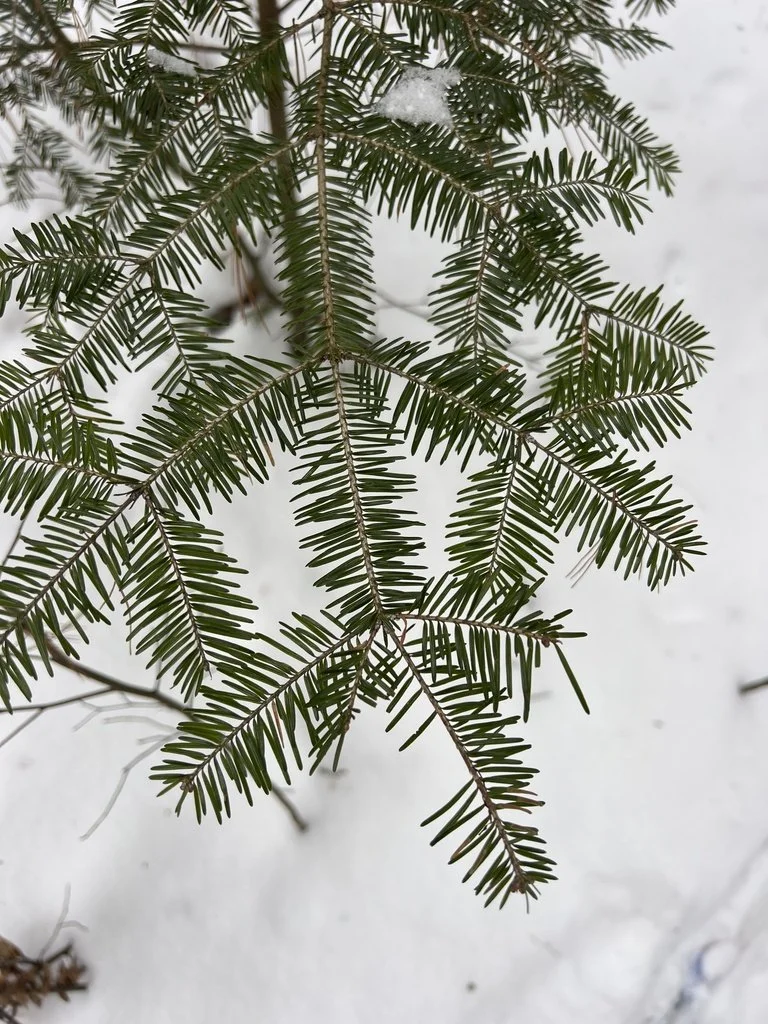
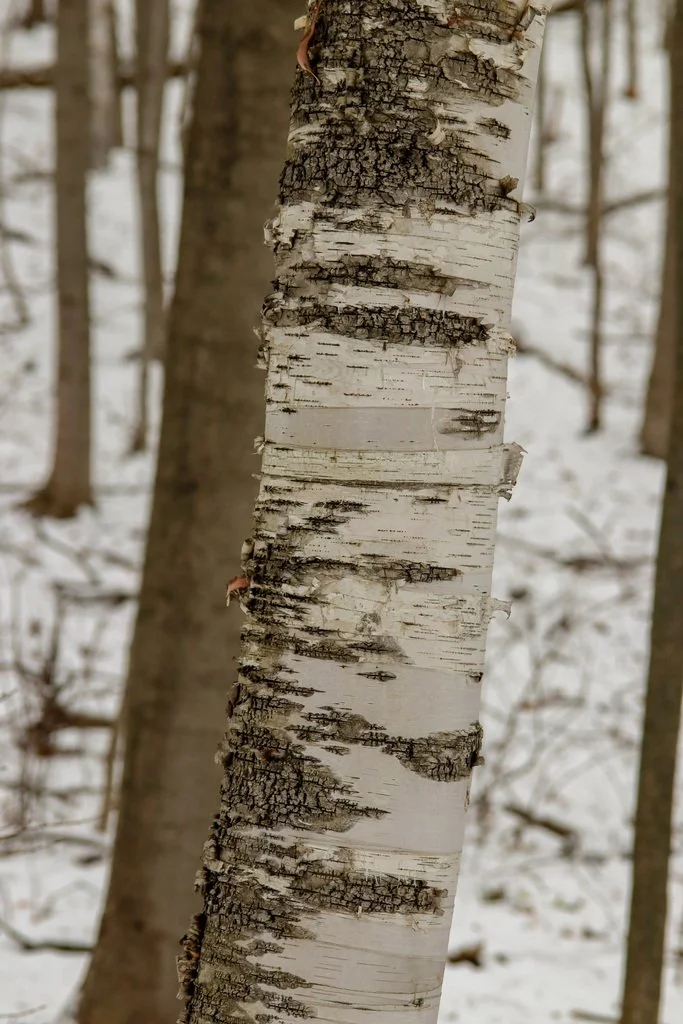
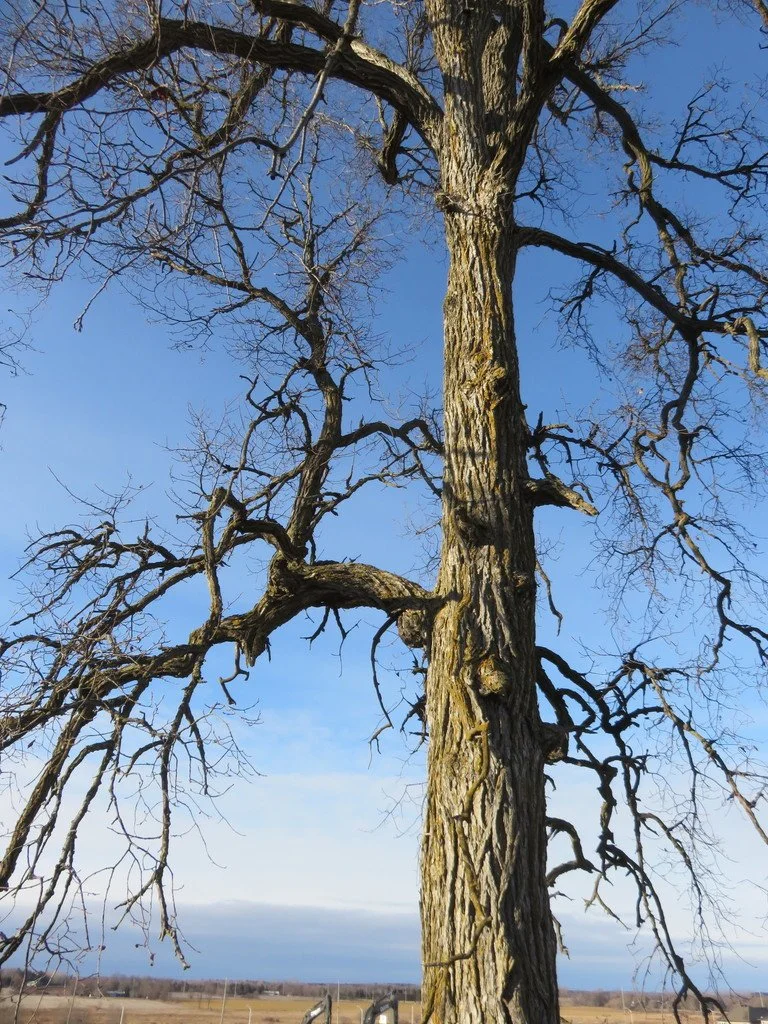
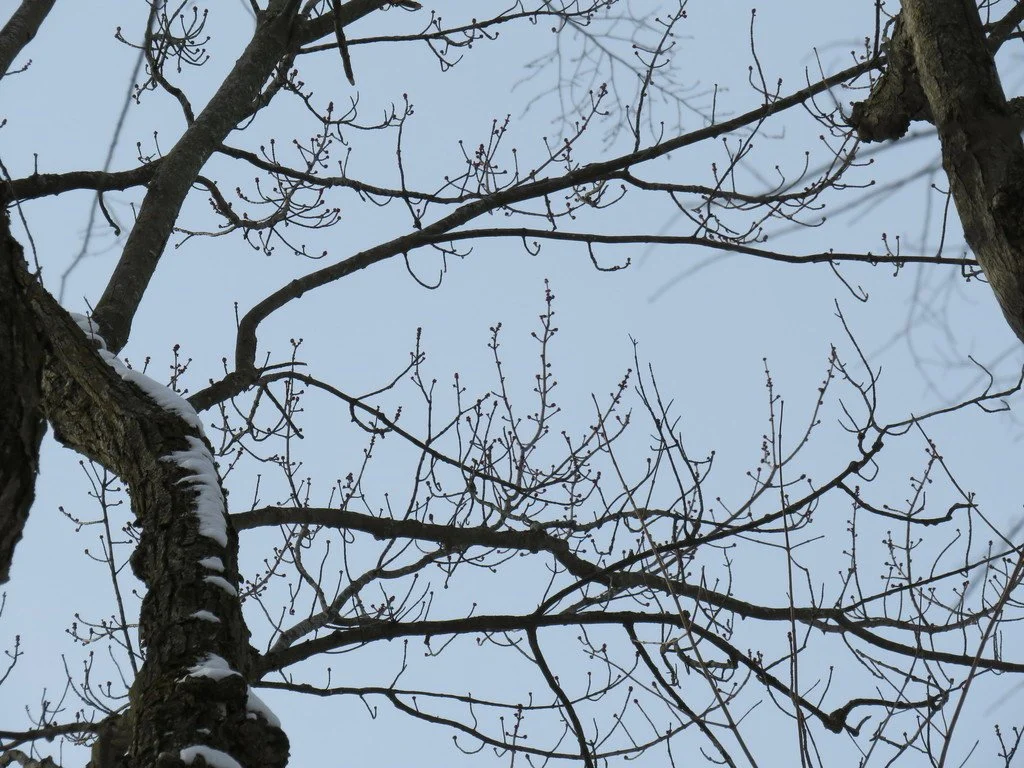
In February, trees enter a period of dormancy similar to the hibernation that some mammals undergo. During this time, trees slow their metabolism and conserve their sugars. This period of dormancy provides a unique opportunity to appreciate aspects of our urban trees that aren’t as visible in the spring and summer. Conifers retain their leaves year-round, and in the winter, their evergreen branches contrast a snowy backdrop. The loss of deciduous trees’ leaves reveals the structure of their branches and twigs that isn’t easily seen in the warmer months. Deciduous trees, like maples (Acer), oaks (Quercus), and ashes (Fraxinus) all have lost their leaves and so their bark, buds, and branching structures are easier to observe. You can also look out for Paper Birch’s (Betula papyrifera), striking white bark in our winter landscape. Check out these resources about winter tree identification!
This winter, southern Ontario has received a historically high amount of snowfall. Did you know this snowfall can be beneficial for our trees? Snow can insulate the soil around plants, and protect the roots from extreme temperatures. When the snow starts to melt in the spring, it also provides an important water source for trees
Wildflowers
Like trees, wildflowers remain dormant throughout the winter. While they may not be visible, the roots or rhizomes of wildflowers remain alive underground. Planting native wildflowers is a great way to support the insect pollinators, birds and mammals that use wildflowers as food and shelter resources. There are two wildflower planting periods, in the fall and spring. Seeds planted in the fall require a cold stratification process throughout the winter before they emerge in the spring. Check out the January Cultivating BiodiverCity post to learn more about cold stratification.
The spring wildflower planting period is quickly approaching in Ontario, spanning from mid-April to mid-May. In the meantime, we can use these last weeks of winter to plan out the wildflower species to be planted in the spring. It is important to include a variety of plant traits, such as colour, nectar guides, pollen, and flower shape, so a wide variety of pollinators can be supported. Pollinator Partnership Canada provides this guide for selecting plants to support pollinators in our ecoregion.
Fungi
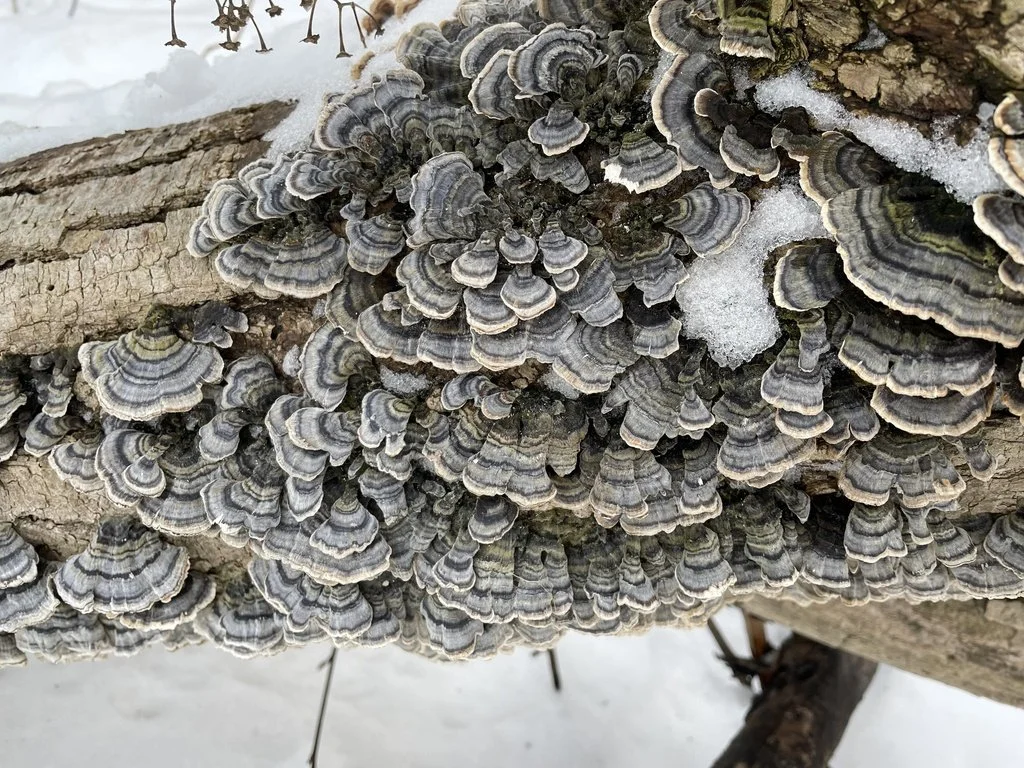
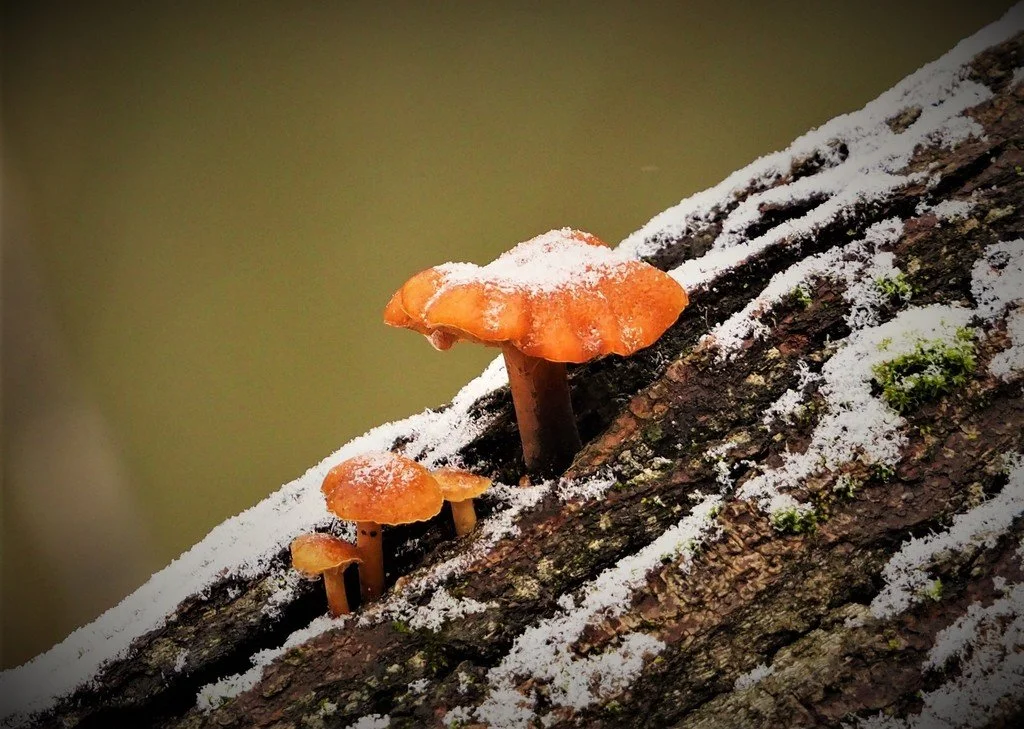
In winter, many fungi have stopped producing their outward fruiting bodies; however, their mycelial network remains intact and out of sight underground or within plant structures. Fungi have a variety of adaptations that allow them to persist in cold climates. Many fungi produce anti-freeze compounds, like glycerol and trehalose, that prevent the formation of ice crystals within the fungi’s cells. Some fungi’s cell walls are reinforced with chitin to protect against winter’s harsh environment, which is the same substance that is found in the exoskeleton of insects, crabs and shellfish!
Some fungi, though, are still visible throughout the winter. See if you can spot turkey tail (Trametes versicolor) or velvet foot (Flammulina velutipes) in wooded areas this winter.
Insects
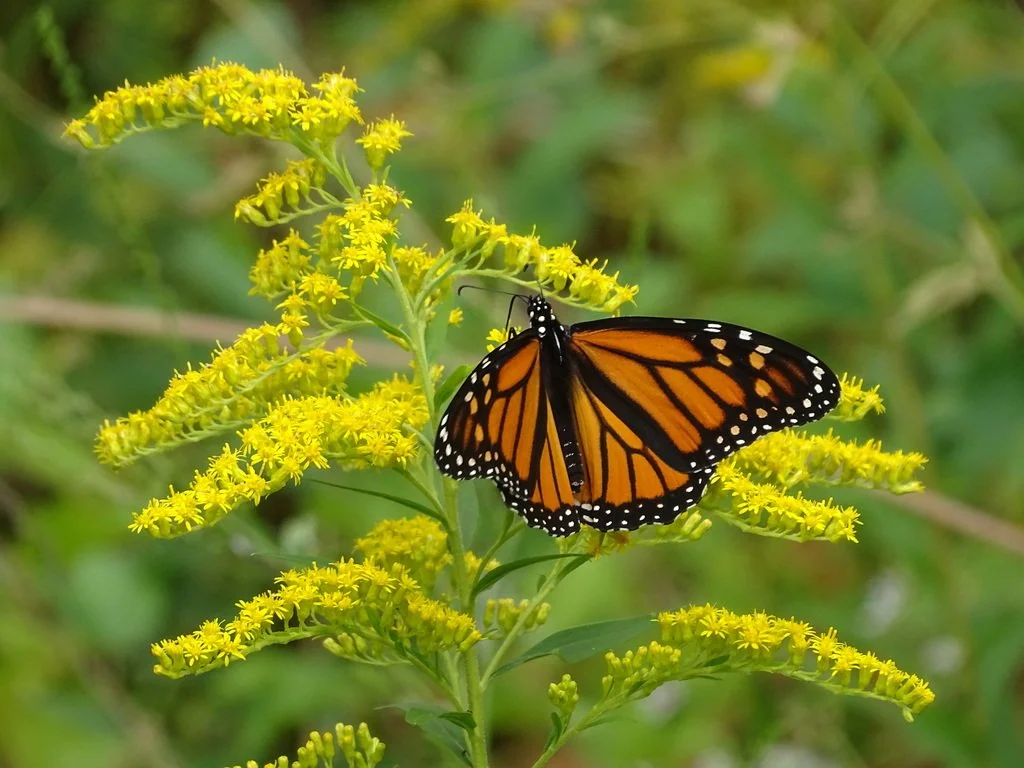
Insects use a variety of methods to persist throughout the winter months. Many insects undergo a dormant period similar to hibernation known as diapause. Insects also overwinter in a variety of life stages, including as eggs, larvae, pupae, and nymphs. Alternatively, some insects escape harsh winters by migrating to warmer areas. Notably, monarch butterflies (Danaus plexippus) migrate in the fall from Ontario to central Mexico. Between late May to early June, monarchs will return to Ontario. As this journey takes several months, monarch butterflies will soon leave their overwintering sites and start the two month journey northwards.
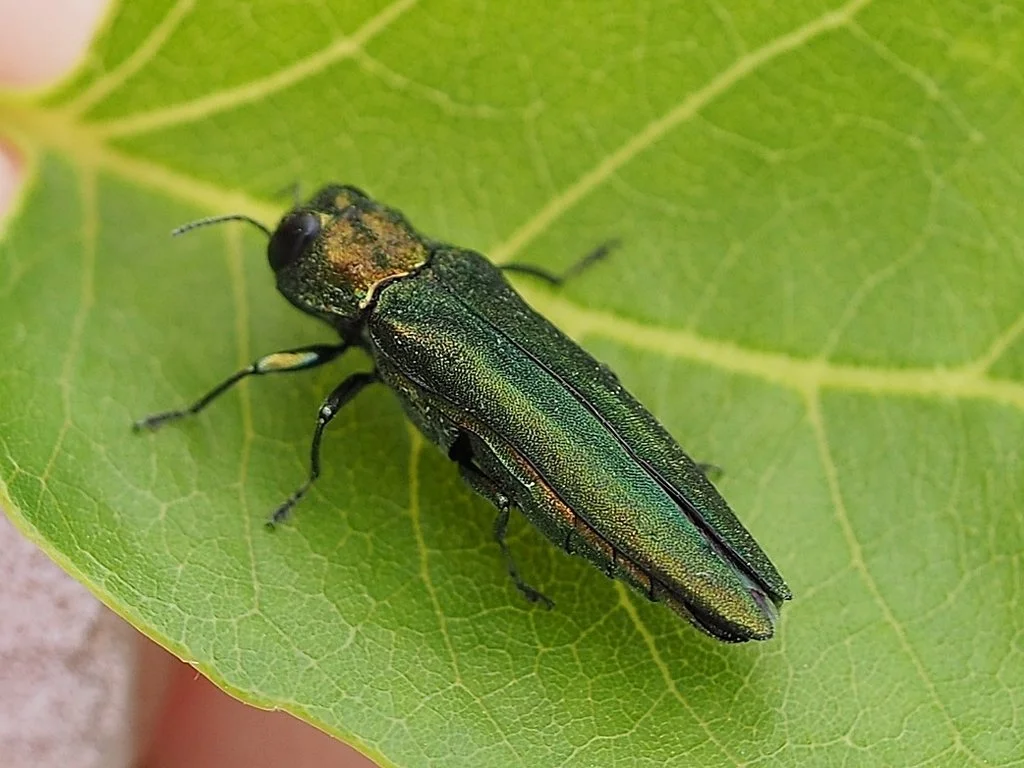
Our urban environment may actually be beneficial to some insect species throughout the winter. City centres often experience urban heat island effects, which occur when urban areas are warmer than rural areas due to the increased impervious surfaces that absorb heat and fewer shade providing trees. Unfortunately, this urban heat island effect in Ontario could potentially be beneficial for the highly invasive emerald ash borer (Agrilus planipennis) that overwinters more easily in warmer areas. If you want to learn more this article by the Toronto and Region Conservation Authority details the effects of the emerald ash borer and management plans in Toronto.
Have a cozy February,
The EcoSpark Team
Your monthly observations contribute essential data for understanding Toronto's urban biodiversity patterns. Record your findings on iNaturalist to support ongoing research into phenology, species distributions, and ecosystem relationships within our urban environment. However, please be aware of human and wildlife safety at all times and explore natural areas responsibly with ethical wildlife photography.
Primary Sources :
City of Toronto. (2020). Birds of Toronto: A Guide to their Remarkable World (2nd edition). Toronto Biodiversity Series
Miller, K. E., D. L. Leonard Jr., C. E. Shackelford, R. E. Brown, and R. N. Conner (2020). Red-bellied Woodpecker (Melanerpes carolinus), version 1.0. In Birds of the World (P. G. Rodewald, Editor). Cornell Lab of Ornithology, Ithaca, NY, USA. https://doi.org/10.2173/bow.rebwoo.01
Klaus, S. P., & Lougheed, S. C. (2013). Changes in breeding phenology of eastern Ontario frogs over four decades. Ecology and Evolution, 3(4), 835–845. https://doi.org/10.1002/ece3.501
Wang, M., Tian, J., Xiang, M., & Liu, X. (2017). Living strategy of cold-adapted fungi with the reference to several representative species. Mycology, 8(3), 178–188. https://doi.org/10.1080/21501203.2017.1370429
Brown, H.E., Esher, S.K., Alspaugh, J.A. (2019). Chitin: A “Hidden Figure” in the Fungal Cell Wall. In: Latgé, JP. (eds) The Fungal Cell Wall . Current Topics in Microbiology and Immunology, vol 425. Springer, Cham. https://doi.org/10.1007/82_2019_184
Cuddington, K., Sobek-Swant, S., Crosthwaite, J.C., Lyons, D.B., and Sinclair, B.J. 2018. Probability of emerald ash borer impact for Canadian cities and North America: a mechanistic model. Biology Invasions. 20:2661–2677
Additional Sources:
Aldoori, H. (2023, December 14). Woodpeckers of high park. High Park Nature. https://highparknature.org/article/woodpeckers-of-high-park/#:~:text=Birds%20of%20High%20Park%20/%20Wildlife,is%20occasionally%20seen%20in%20winter
Downy woodpecker . Cornell Lab of Ornithology. (n.d.-a). https://www.allaboutbirds.org/guide/Downy_Woodpecker/overview
Hairy woodpecker . Cornell Lab of Ornithology. (n.d.-b). https://www.allaboutbirds.org/guide/Hairy_Woodpecker/lifehistory#behavior
Living with eastern coyotes . Toronto Wildlife Centre. (n.d.). https://www.torontowildlifecentre.com/wildlife-emergency-rescue-hotline/answers-to-your-wildlife-questions/living-with-eastern-coyotes/
Yery, E. (2021, June 3). The groundhog, our underground architect. Wildlife Rescue League. https://www.wildliferescueleague.org/animals/the-groundhog-our-underground-architect/
Learn About the Frogs of Ontario. Frog Watch. (2021, July 14). https://www.naturewatch.ca/frogwatch/ontario/?lang=en
Morrison, A. (2025, February 10). This cold, snowy winter has been great for our trees, says arboretum expert. University of Guelph News. https://news.uoguelph.ca/2025/02/this-cold-snowy-winter-has-been-great-for-our-trees-says-arboretum-expert/
Where do insects go in the winter? . Smithsonian Institution. (n.d.). https://www.si.edu/spotlight/buginfo/winter
Alex, B. (2024, April 4). Monarch Butterflies in ontario and how you can help. Ontario Nature . https://ontarionature.org/monarch-butterflies-and-how-you-can-help-blog/