
Cultivating BiodiverCity and Climate Resilience - January
© Pawel Syniuk on Flickr
Dear EcoSpark Volunteers and Nature Seekers,
Welcome to the January 2026 edition of Cultivating BiodiverCity! This month is all about cold resilience.
Birds
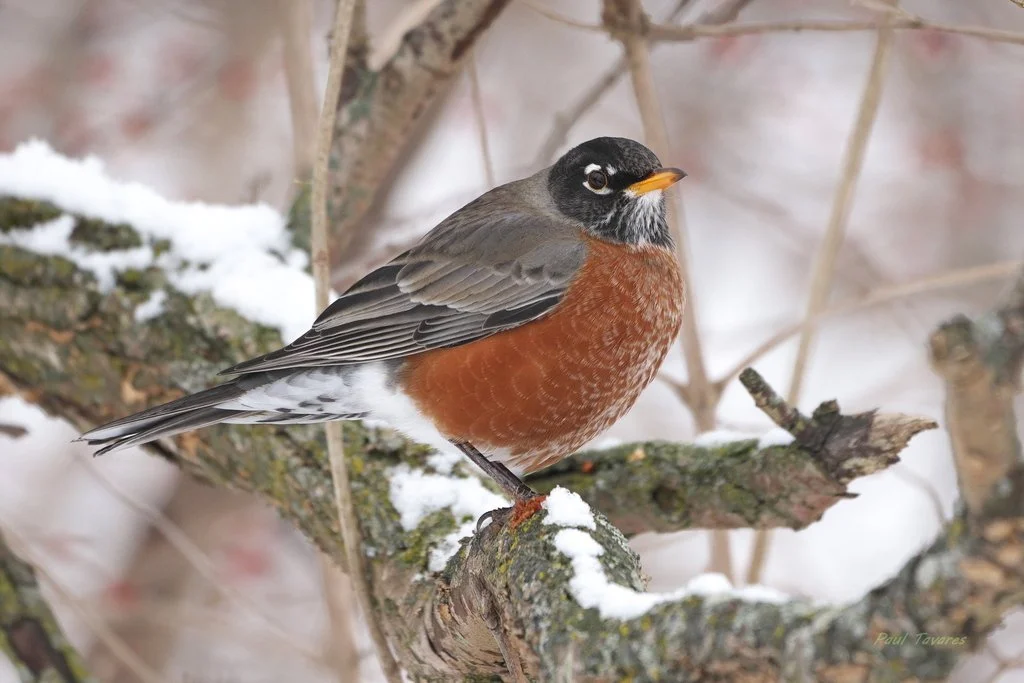
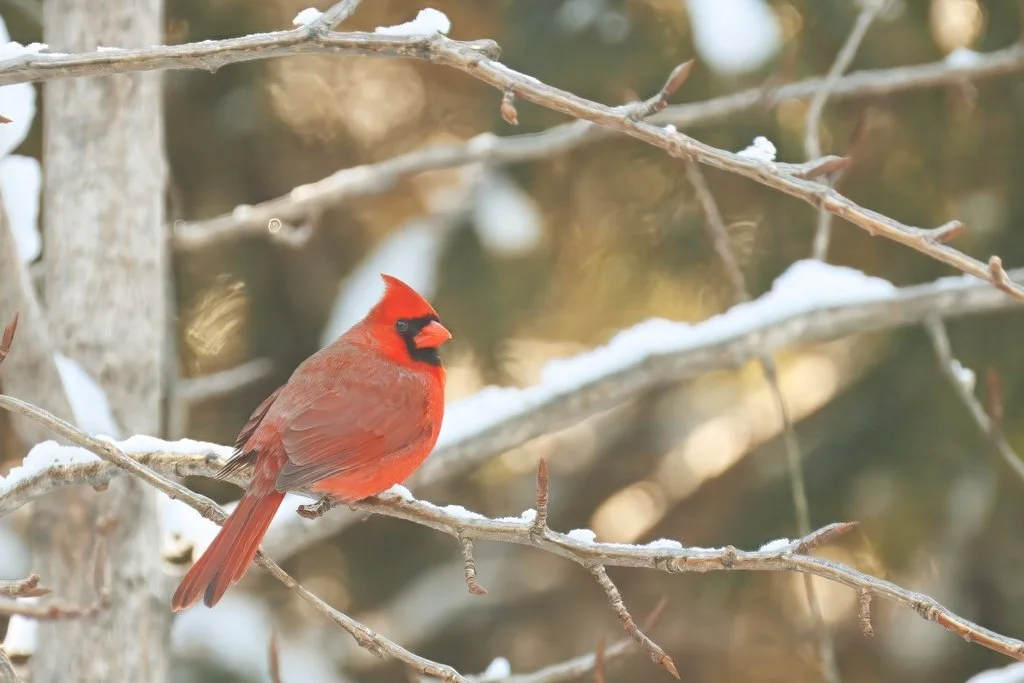
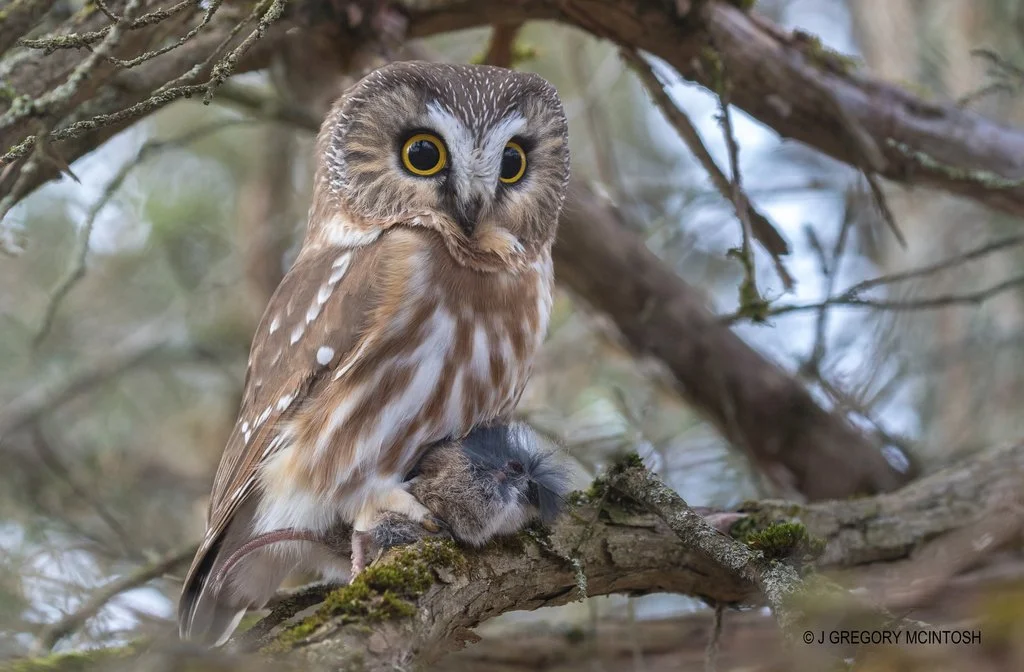
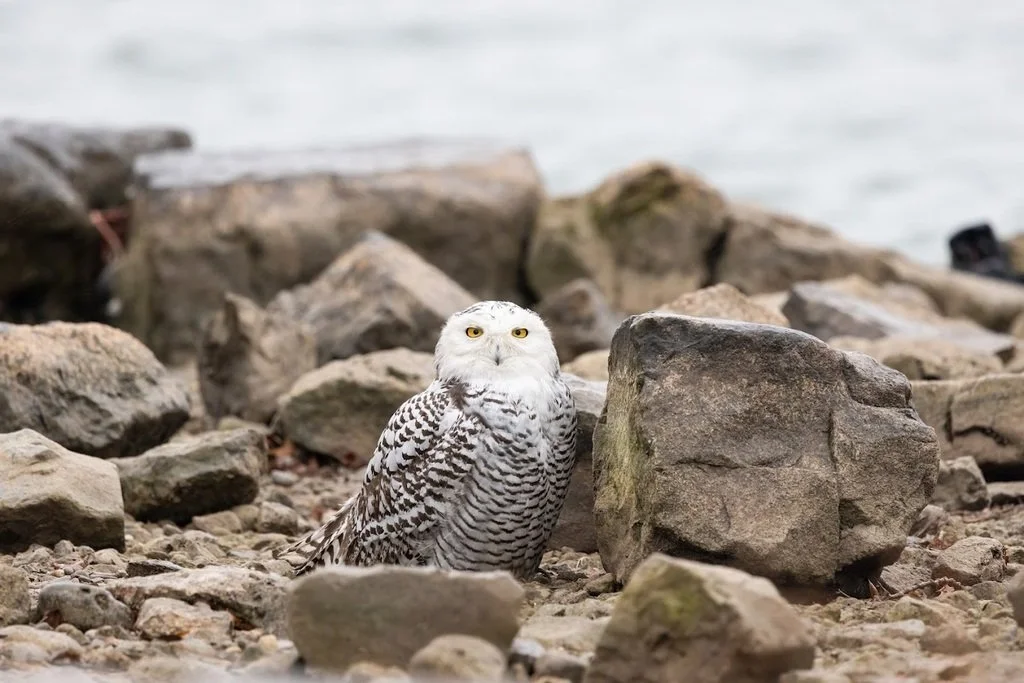
As winter settles in, January offers some of the best birdwatching of the year! During this time, the birds add a pop of colour to the quiet landscape and overcast skies. You may be able to spot common year-round birds like American Robin (Turdus migratorius) and Northern Cardinal (Cardinalis cardinalis) gathering around feeders in more urban populations. In the more wooded areas, such as public parks, forests and ravines, you may be able to spot some more unusual guests, such as several species of owl including the Northern Saw-whet Owl (Aegolius acadicus) and Snowy Owl (Bubo scandiacus).
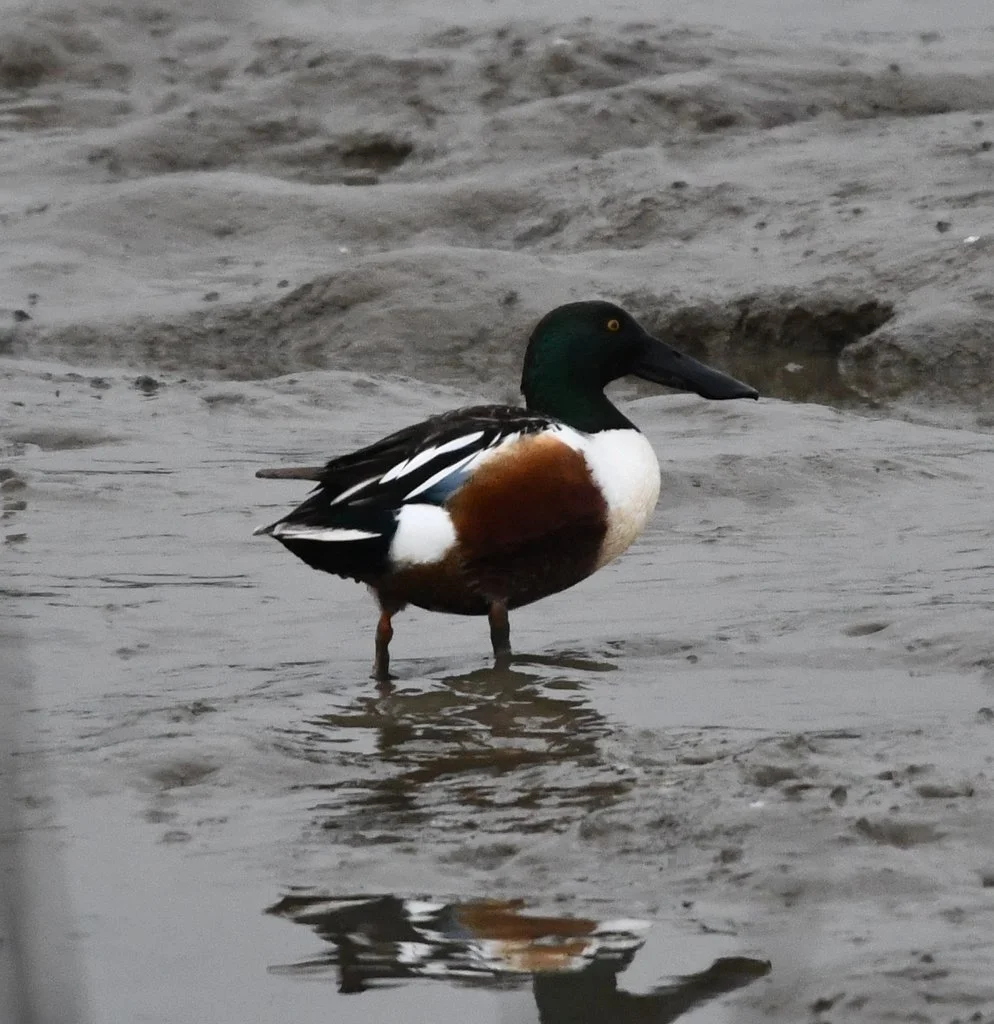
However, winter in Southern Ontario is also a great time to spot waterfowl! Common waterfowl include the Mallard (Anas platyrhynchos), the Northern Shoveler (Spatula clypeata), and Long-tailed Duck (Clangula hyemalis). These birds have adapted specifically to be able to withstand the subzero temperatures in Canada. They are able to regulate the temperature of their feet through counter-current heat exchange: warm blood coming from the heart flows next to the cold venous blood returning to the heart, transferring heat between the two. This allows the venous blood to stay warm. Waterfowl especially like to hang out in Toronto’s wetland areas, including Tommy Thompson Park and Toronto Islands. Believe it or not, but the majority of land surrounding Lake Ontario historically was wetlands, and was seasonally or permanently covered by shallow water. Due to aggressive land exploitation, most of these wetlands have been destroyed, and many of the watersheds have been buried underground and redirected into sewage systems. Wetlands are vital ecosystems for birds, fish, reptile, and amphibian populations, but they are now severely reduced and fragmented. This is why expanding our enclaves of naturalized waterfront is so critical for supporting waterfowl and other species.
Mammals
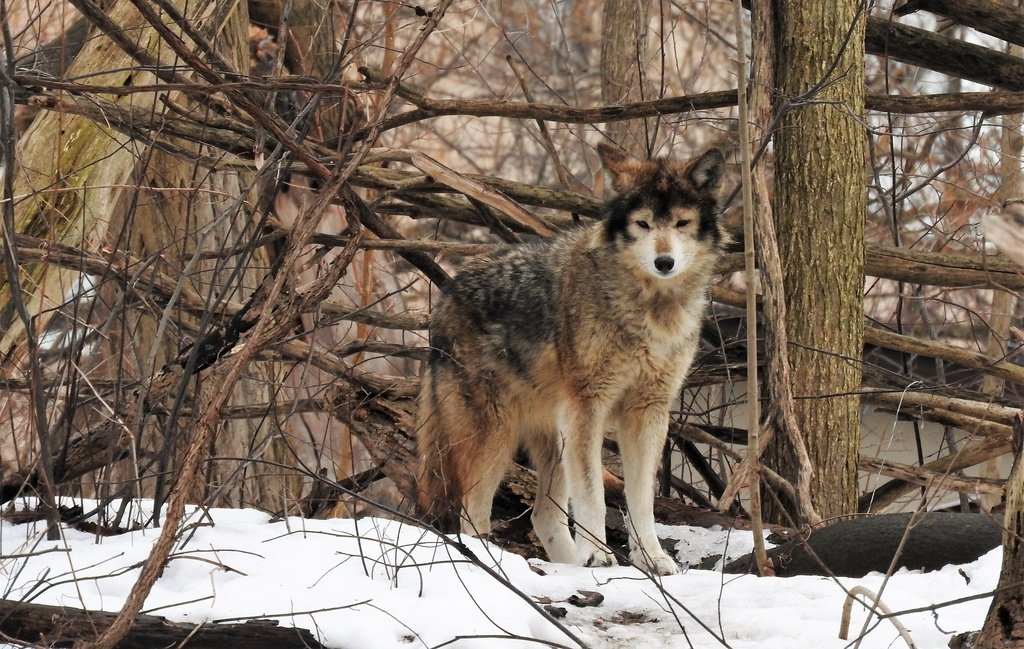
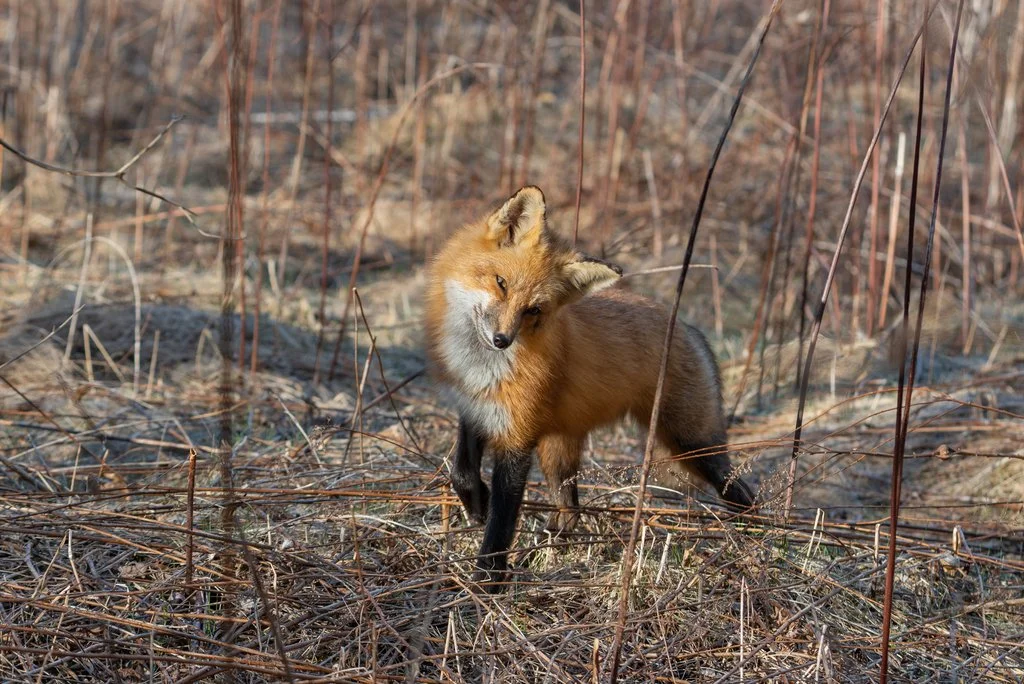
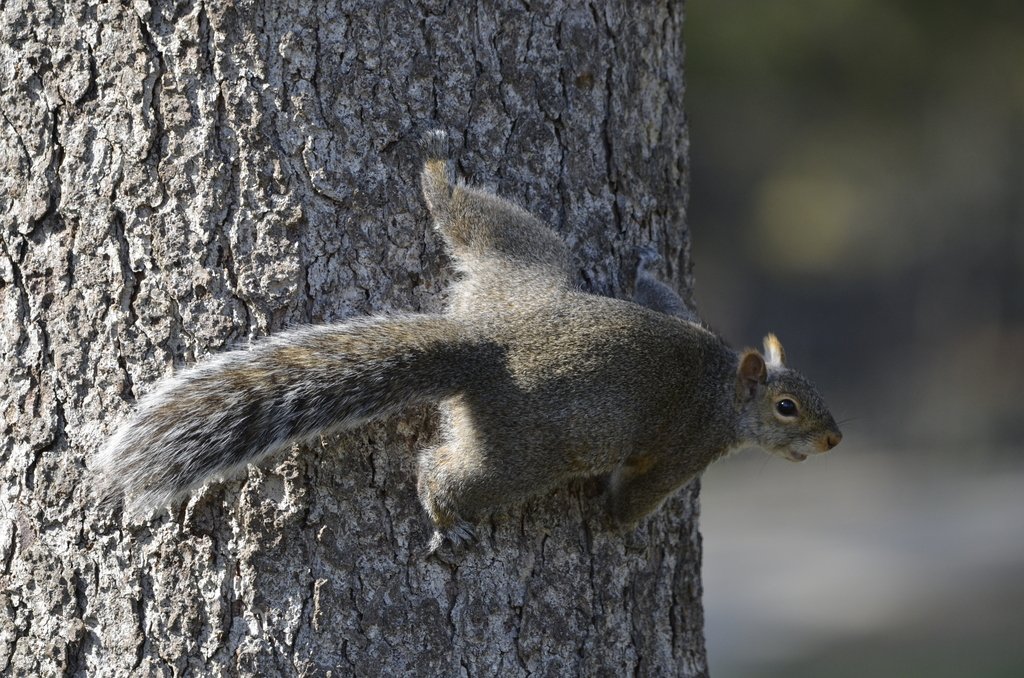
In the quiet of January, many mammals are either hibernating or in a period of energy conservation. However, this is a great time to identify mammals in your local greenspace through alternative methods such as looking for them via their tracks. The Toronto Biodiversity Booklet Series offers a few tips to identify key telltale signs of predator-prey relationships, such as the prints of coyote tracks near smaller mammal tracks. January is also the season of mating for some mammals. The Coyote (Canis latrans), Red Fox (Vulpes vulpes), and Eastern Gray Squirrels (Sciurus carolinensis) enter their mating periods between January and early March.
Reptiles & Amphibians
January is a month of dormancy for reptiles and amphibians. Though unseen, they are very much alive, but waiting for the longer, warmer days of March and April to come out of their overwintering shelters. Check out December’s blog to learn more about the strategies that reptiles, like snakes and turtles, use while overwintering. While they rest, why not learn about the vital work of community organizations such as Turtle Protectors/Mishiikenh Gizhaasowin in promoting healthy relationships with our fellow species?
Trees & Shrubs
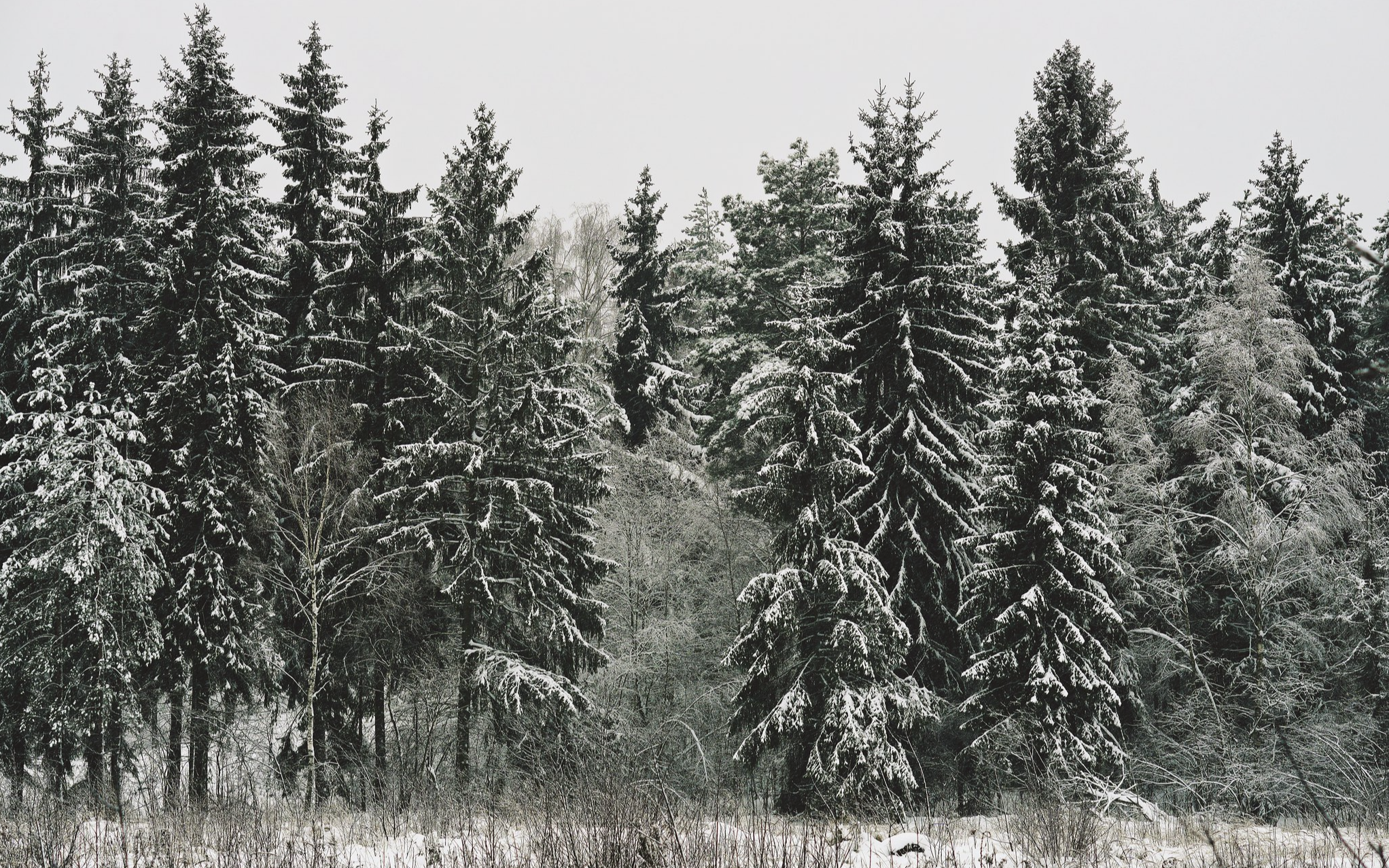
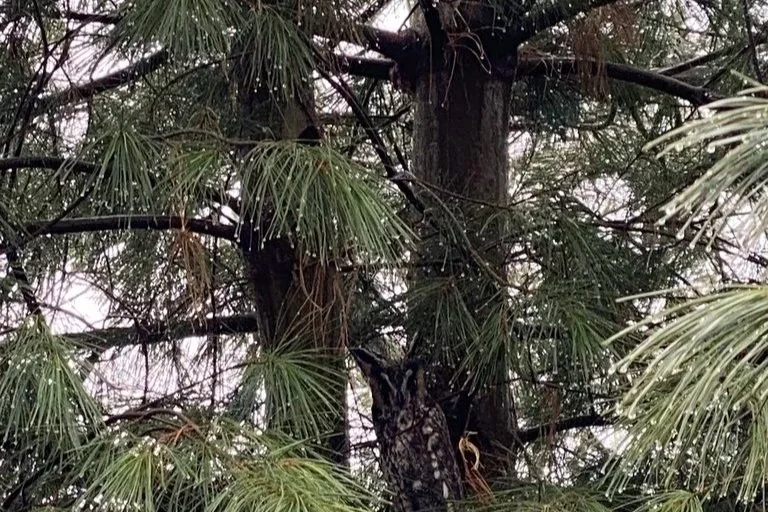
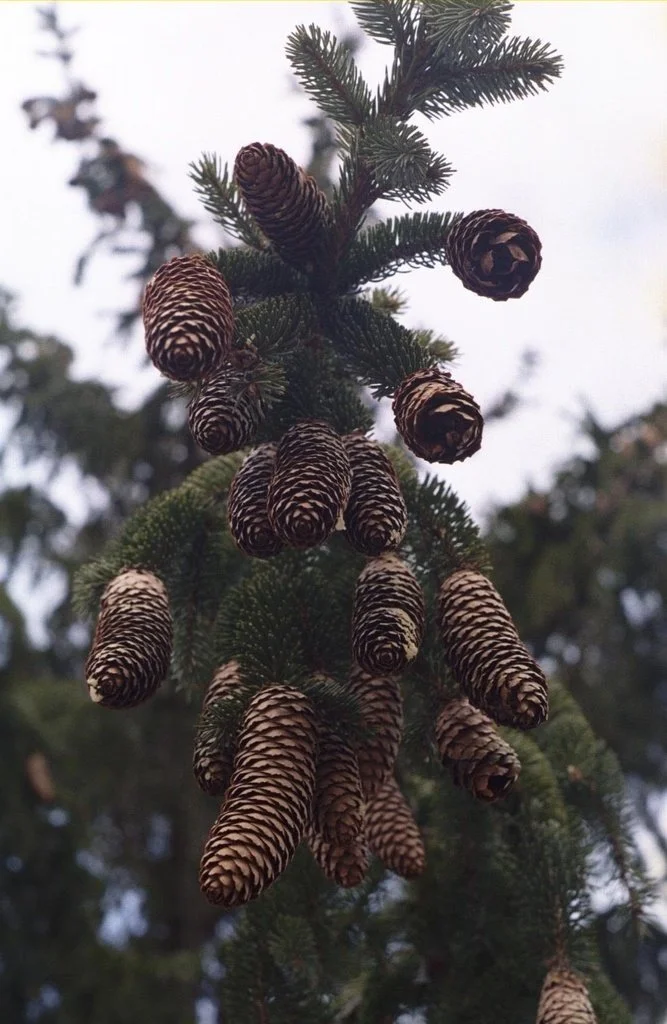
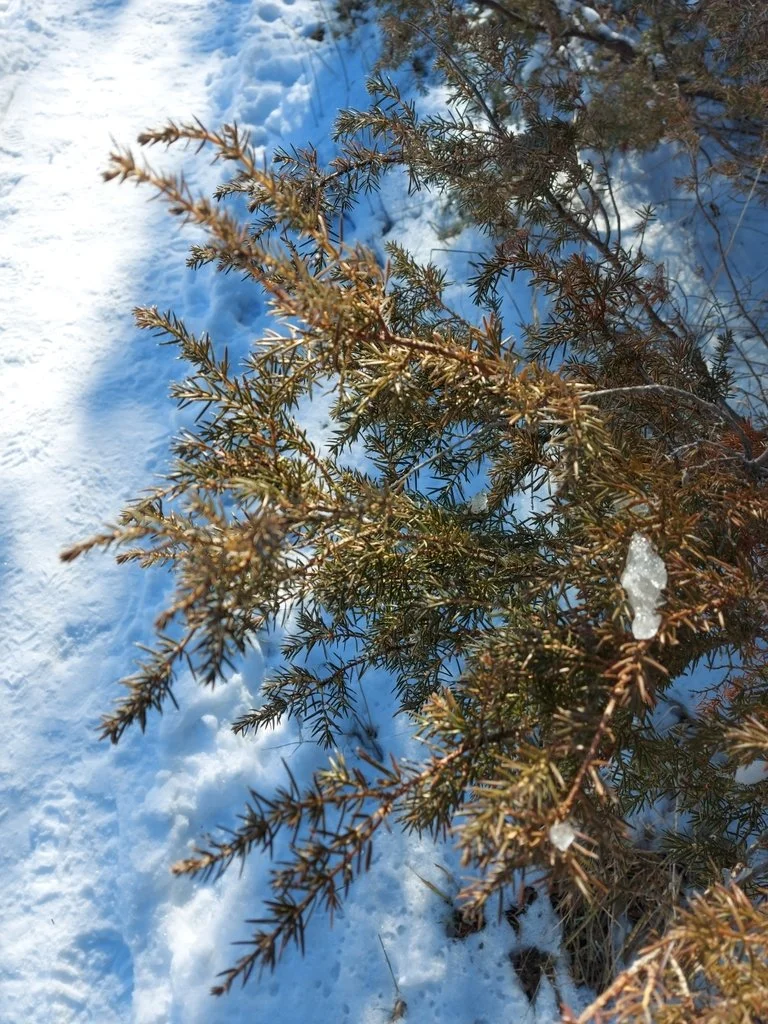
Trees and shrubs have fully entered into a period of dormancy, where overall growth is paused. Some coniferous trees, also known as evergreen trees, like pines (Pinus), spruces (Picea) and junipers (Juniperus) continue to photosynthesize on the milder, sunny days, but the overall rate at which they photosynthesize is significantly smaller.
How do the needles on coniferous trees not freeze off in the winter? The needles on coniferous trees are coated with a layer of cutin, a waxy, water-repellant substance naturally occurring on many plants, especially fruits. Cutin traps moisture within the needle while repelling moisture from the air, ice and snow. As we discussed in last month’s blog, coniferous trees move water out of the needle cells and into spaces between the cells to prevent ice damage from occurring. The fluids between the cells become more concentrated in carbohydrates, lowering their freezing point.
EcoSpark students are already out measuring trees near schools this month to calculate and share data for climate resiliency. Check out their latest records on the Tree Benefits Web Map.
Wildflowers
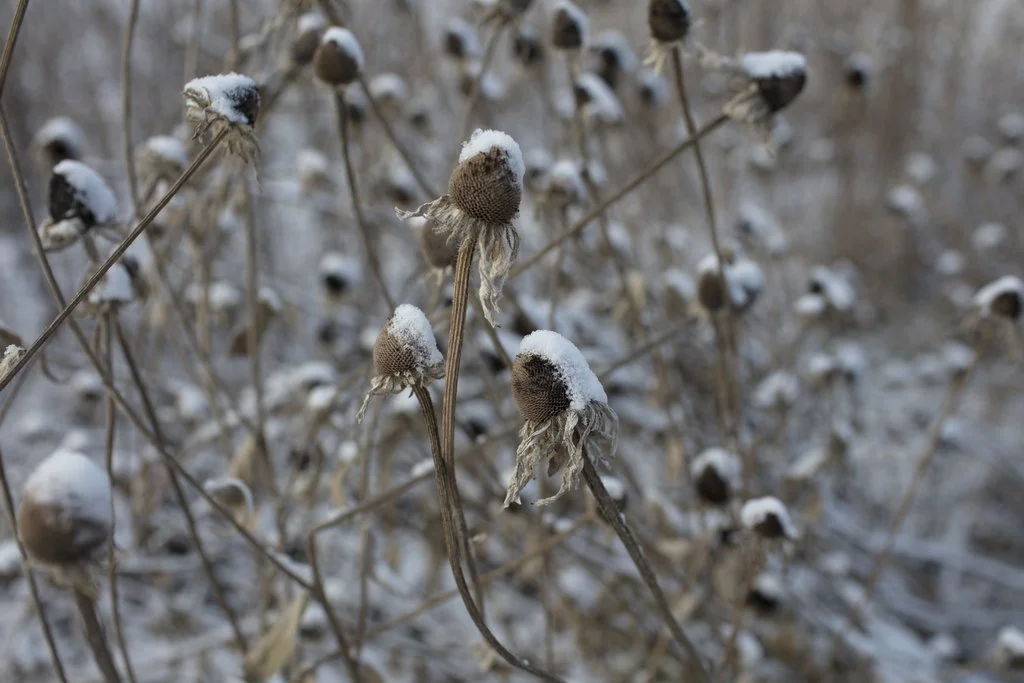
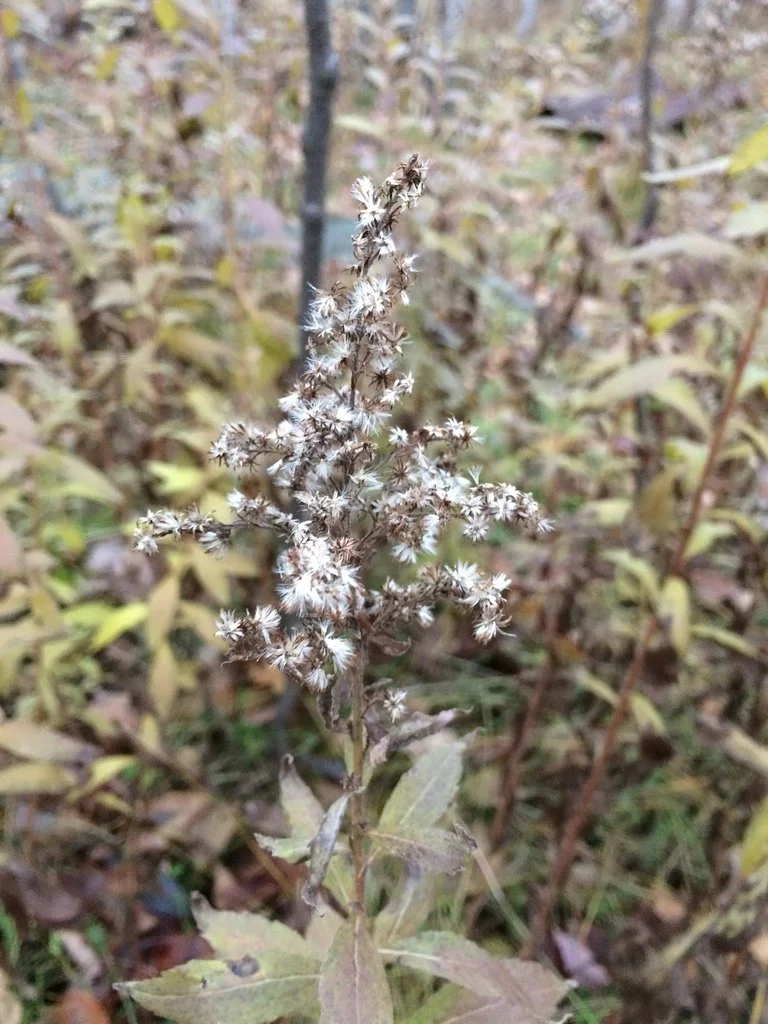
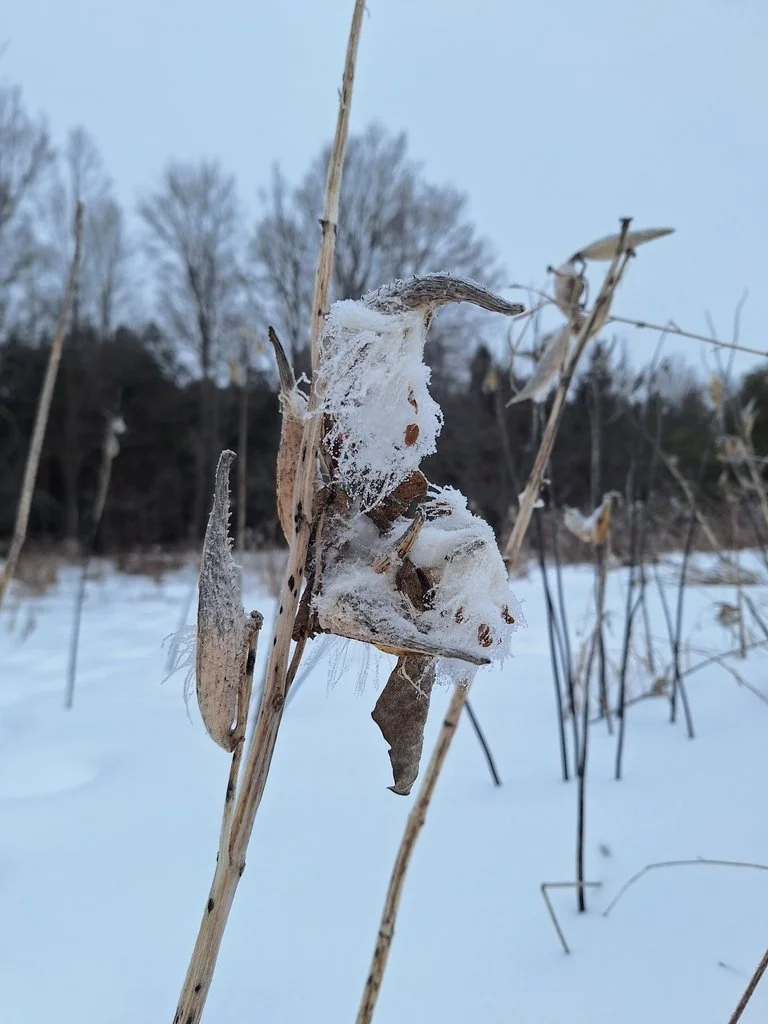
By the beginning of the new year, most wildflowers are dormant under a blanket of snow and ice, all part of the natural lifecycle of many native Canadian plants. Throughout the winter, their roots and seeds undergo a process called “cold stratification” – a necessary period of cold and moisture that breaks seed dormancy and prepares them to sprout in warmer spring temperatures. Many Ontario wildflowers, like Milkweed (Asclepias), New England Aster (Symphyotrichum novae-angliae), Anise Hyssop (Agastache foeniculum), Goldenrods (Solidago), and Black Eyed Susans (Rudbeckia hirta), have used this strategy to survive Ontario’s seasonal temperature swings.
Warmer winters can interfere with the cold stratification process and impact local biodiversity. When winters are too warm, too short, or undergo periods of extreme temperature swings, it leads to weak germination, delayed sprouting in the spring, and/or kills the seeds that start sprouting during unusually warm periods. Wildflowers are an essential part of the ecosystem. Changes to their germination periods ripple outwards to the birds and insects that rely on them for early spring sustenance. We can support resiliency by expanding gardens rich in biodiversity. Get involved in planning and caring for a wide range of native plants in road medians, parks, balconies, school grounds, and other urban landscapes, by volunteering with EcoSpark, Toronto Nature Stewards, Project Swallowtail, or other community groups.
Fungi
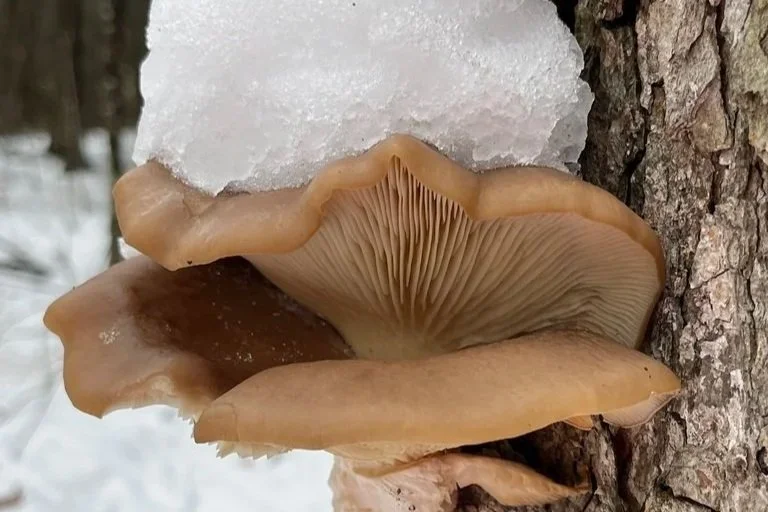
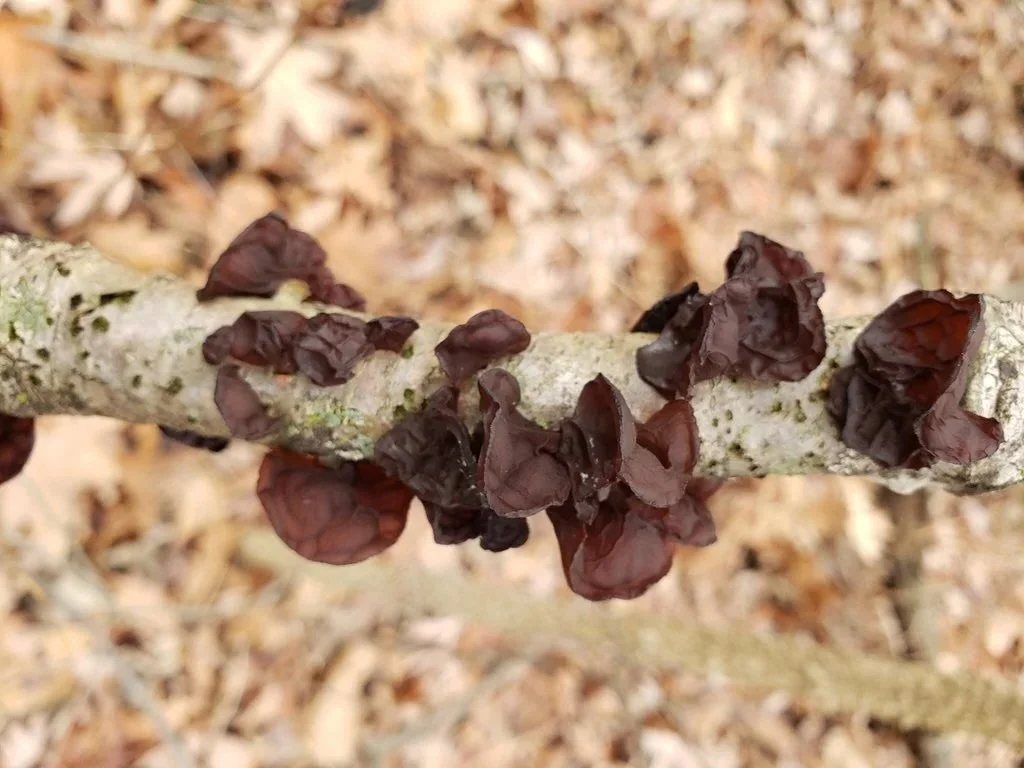
Like in December, there is minimal to no growth for fungi during January. You may be able to see some fungi like Oyster Mushroom (Pleurotus ostreatus) and Amber Jelly Fungus (Exidia recisa), but the majority of fungi during this period are inactive and the outward fruiting bodies of the fungi, called hyphae, retreat back into the interior of their host trees.
Insects
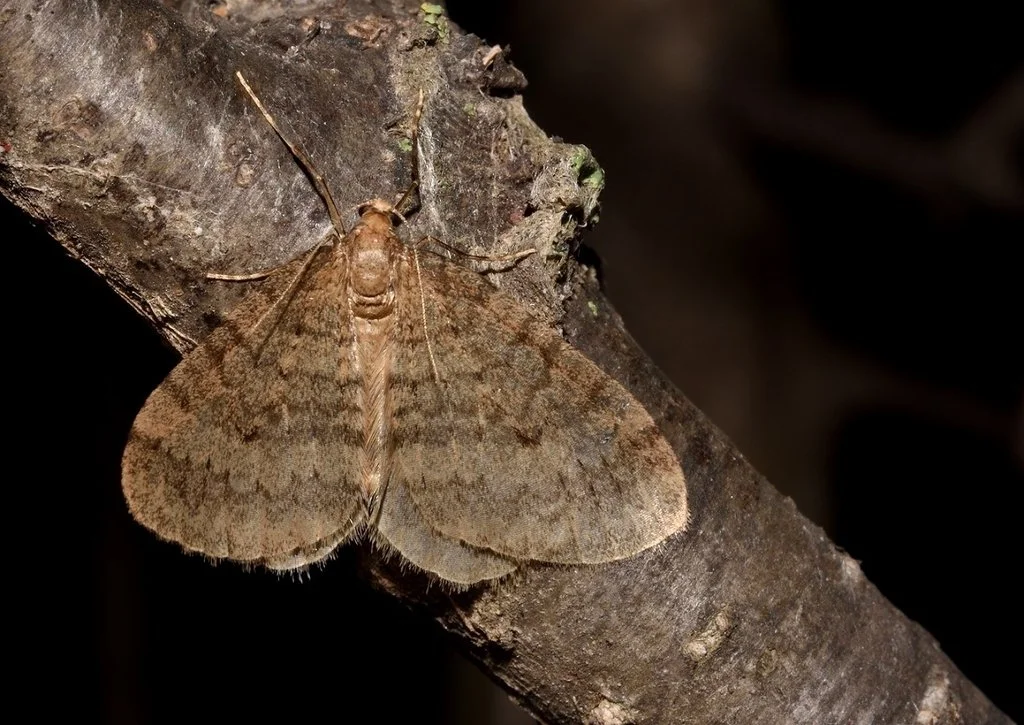
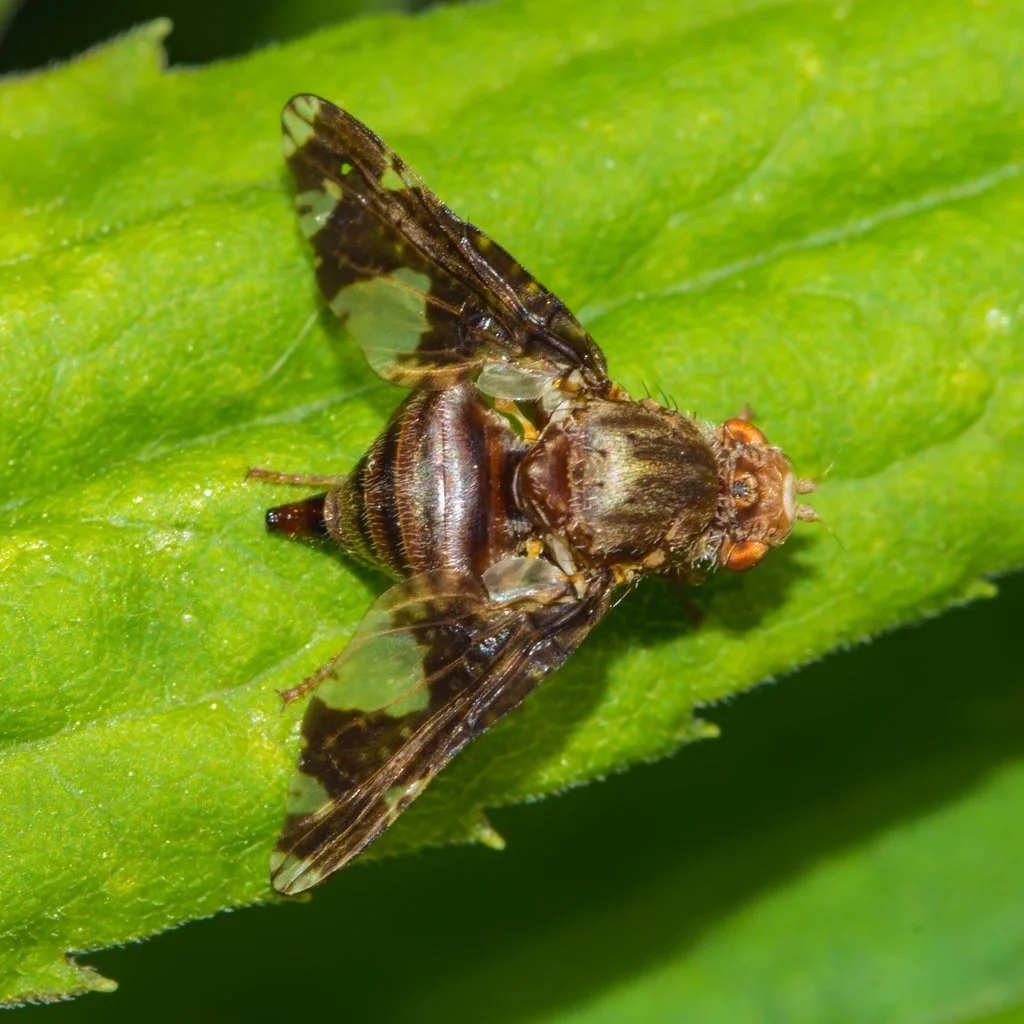
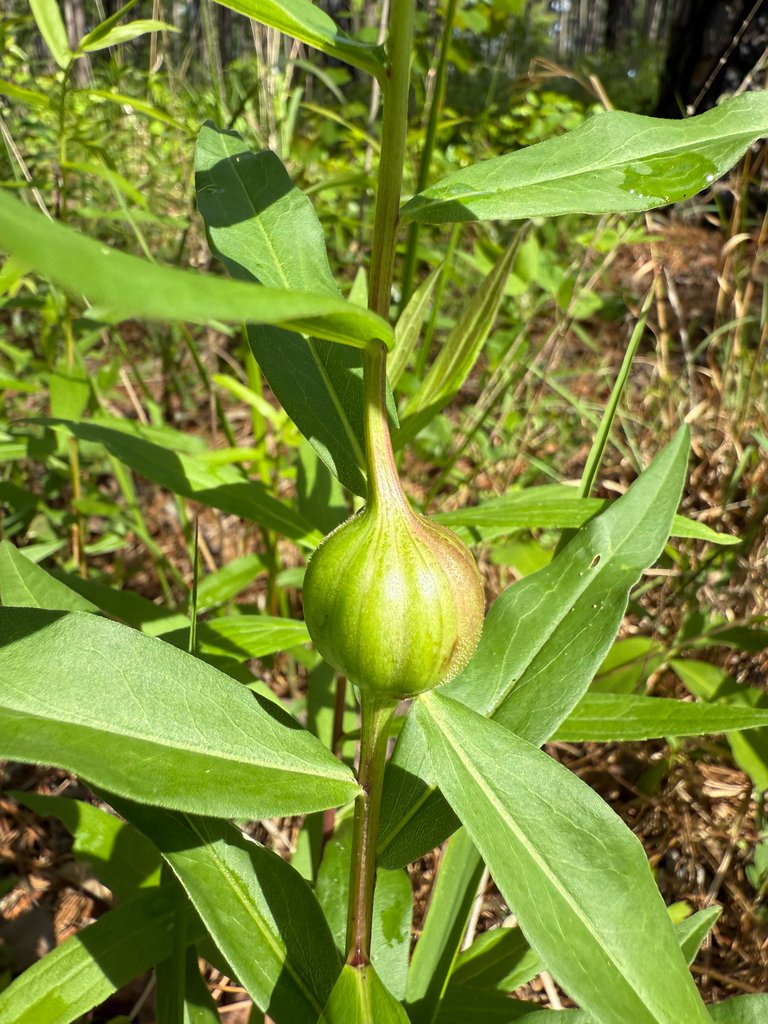
Winter is a very dormant season for insects. By the end of December, even species known for their winter activity like the Winter Moth (Operophtera brumata) will be in diapause, slowing their metabolism to conserve energy while taking shelter underground, under leaf piles, or even in plant stems. This month, we want to highlight the unique diapause strategies of the Goldenrod Gall Fly (Goldenrod Gall Fly). This fly, native to Canada, is well known for its overwintering habits. Goldenrod Gall Flies spend their winter developing in their larvae stages within plant tissues known as galls. The female of this species lays her eggs in the stem of a goldenrod genus plant. Once the larvae hatches, it triggers the plant to create a swollen encasing which forms the gall where the larva will stay throughout winter. The larvae produce natural antifreeze compounds, which allow it to tolerate the cold winter temperatures. In spring, the larvae will pupate inside the gall, and an adult fly will emerge.
Biodiversity events happening this month:
Native Plant Series: Winter Sowing with Toronto Botanical Garden (paid), on Jan 10
Winter Birding Series: Guided Birding Adventure with Toronto and Region Conservation Authority (paid), on Jan 10
Winter Birding Series: Migration mysteries with Toronto and Region Conservation Authority (paid), on Jan 17
iNaturalist ID-a-thon, Dec 15 2025- Jan 15 2026
Have a restful January
The EcoSpark Team
Your monthly observations contribute essential data for understanding Toronto's urban biodiversity patterns. Record your findings on iNaturalist to support ongoing research into phenology, species distributions, and ecosystem relationships within our urban environment. However, please be aware of human and wildlife safety at all times and explore natural areas responsibly with ethical wildlife photography.
Primary Sources (Toronto Biodiversity Series):
City of Toronto. (2020). Birds of Toronto: A Guide to their Remarkable World (2nd edition). Toronto Biodiversity Series.
City of Toronto. (2016). Mammals of Toronto: A Guide to their Remarkable World (Parts 1 & 2). Toronto Biodiversity Series.
City of Toronto. (2016). Reptiles and Amphibians of Toronto: A Guide to their Remarkable World. Toronto Biodiversity Series.
City of Toronto. (2016). Trees, Shrubs and Vines of Toronto: A Guide to their Remarkable World. Toronto Biodiversity Series.
Additional Sources:
Ducks Unlimited Canada. (2024, February 6). How do ducks' feet stay warm in winter? — Ducks Unlimited Canada. Ducks Unlimited Canada. https://www.ducks.ca/stories/science/how-do-ducks-feet-stay-warm/
Fortier, J. (2021, March 16). Seed Stratification Explained- Part 1. Northern Wildflowers. https://northernwildflowers.ca/blogs/our-blog/seed-stratification-explained-part-1?srsltid=AfmBOoobgtI_OMCbtipYiX0BU6q5v2se6AkqbsNdNu9MMCYH94tWNUkZ
Grand Erie Master Gardeners. (2023). Native Seed Sowing guide. Grand Erie Master Gardeners. https://granderiemg.org/native-seed-sowing-guide
Wisconsin Horticulture. (n.d.). Goldenrod Gall Fly, Eurosta solidagnis – Wisconsin Horticulture. Wisconsin Horticulture. https://hort.extension.wisc.edu/articles/goldenrod-gall-fly-eurosta-solidagnis