
Cultivating BiodiverCity and Climate Resilience - November Issue
Dear EcoSpark volunteers and nature seekers,
Welcome to the Nov 2025 edition of Cultivating BiodiverCity and Climate Resilience!
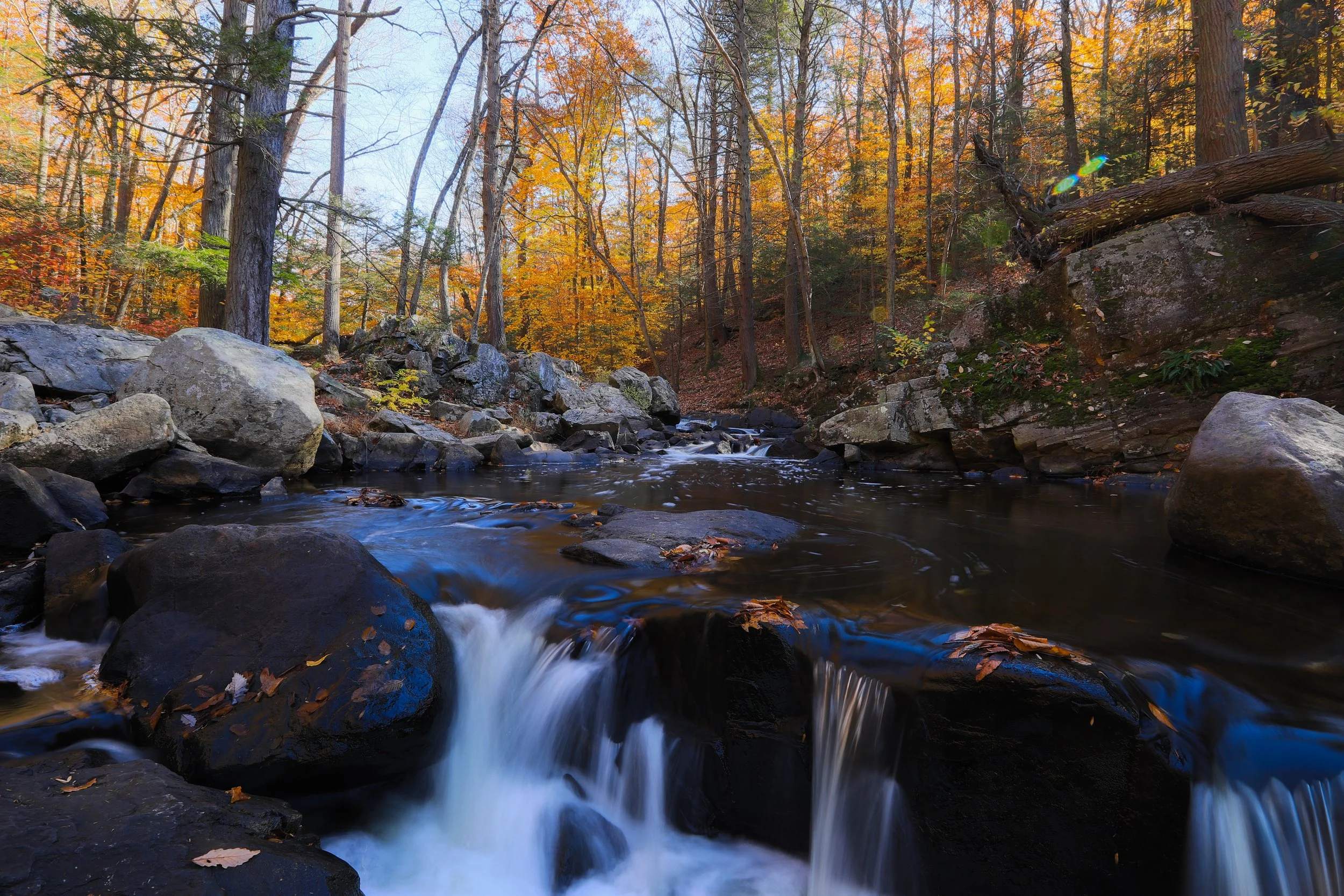
Unlike the hustle and bustle of October, November tends to be a quieter month for the ecosystem, as we move from Fall into Winter. Each section highlights species currently active in Toronto's parks, ravines, and green spaces.
In this issue we will help you explore some of the most common things we find in natural spaces around us at this time of year. Be sure to click on the links to discover more about the species you find in your backyard and local parks and take it the next step by joining some of the nature monitoring projects highlighted below.

Birds
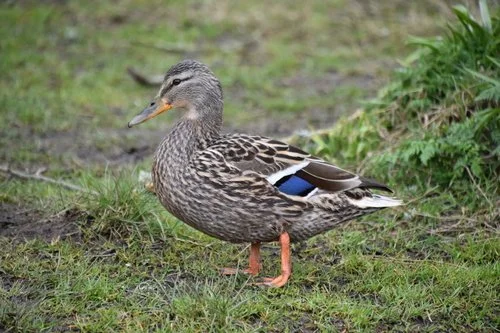
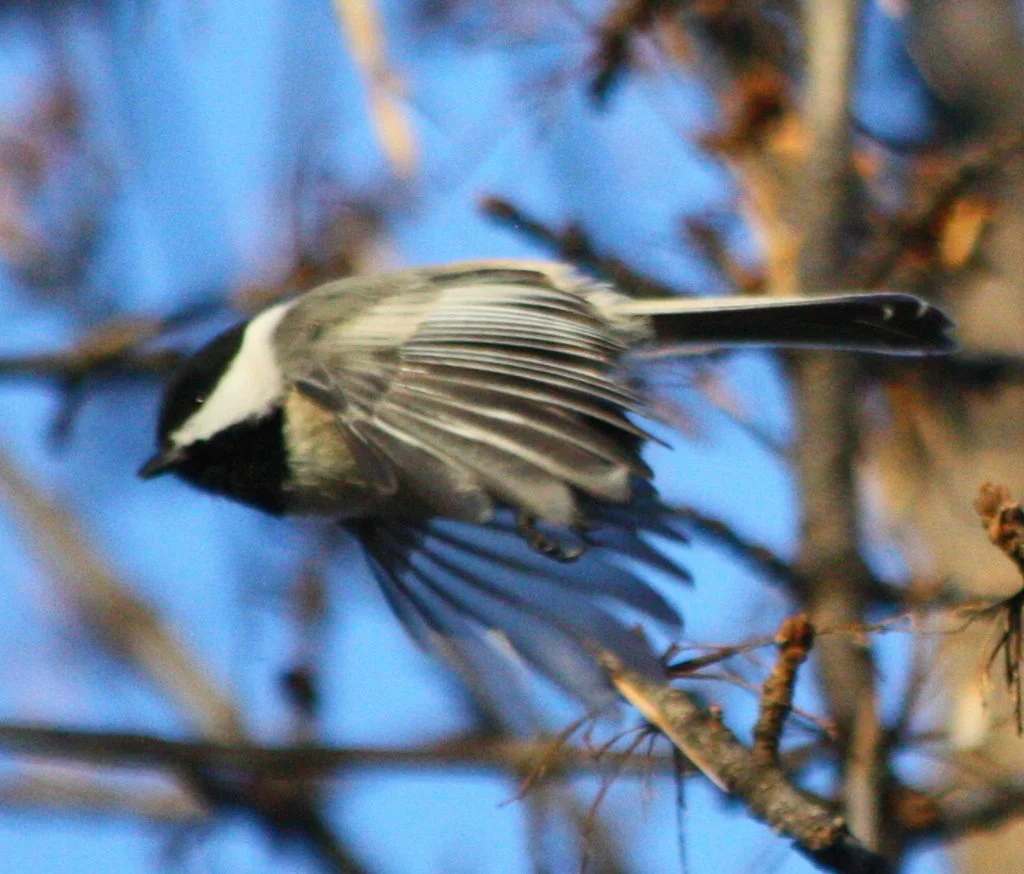
The cold and gloomy days of November mark the end of migration season, as the seasons transition from Fall to Winter. While many birds fly away from Canada for the Winter, some birds who breed in the far north migrate to the southern reaches of Canada. Starting in October and continuing into November, wintering birds such as Mallards (Anas platyrhynchos) return from their northern breeding grounds to more southern areas such as Southern Ontario, and the northern United States. Some common birds to spot in the winter include the Dark-eyed Junco (Junco hyemalis), House Sparrow (Passer domesticus), Northern Shrike (Lanius borealis), and Black-capped Chickadee (Poecile atricapillus). Any open water will attract these birds, so as the ground freezes, check deep bodies of water that may not have frozen over yet. Birds are fighting for cozy spots in dense tree-covers and hollow trunks, so it may be a good time to visit sites with dense tree coverage like Rouge Park, High Park, or Tommy Thompson Park. As there are less and less dense forests in and around the city, smaller and larger birds alike fight for the prime real estate.
This is a good time to get engaged in Cornell Lab’s Winter Bird Feeder project, FeederWatch. FeederWatch uses feeders to survey birds in backyards, nature centres, and community areas. You can help monitor bird migration that contributes to our knowledge of changing bird populations and habits. November is also the month of HawkWatch! Follow the Toronto Ornithological Club as they aim to count as many migrating raptors as possible from Hawk Hill.



Mammals
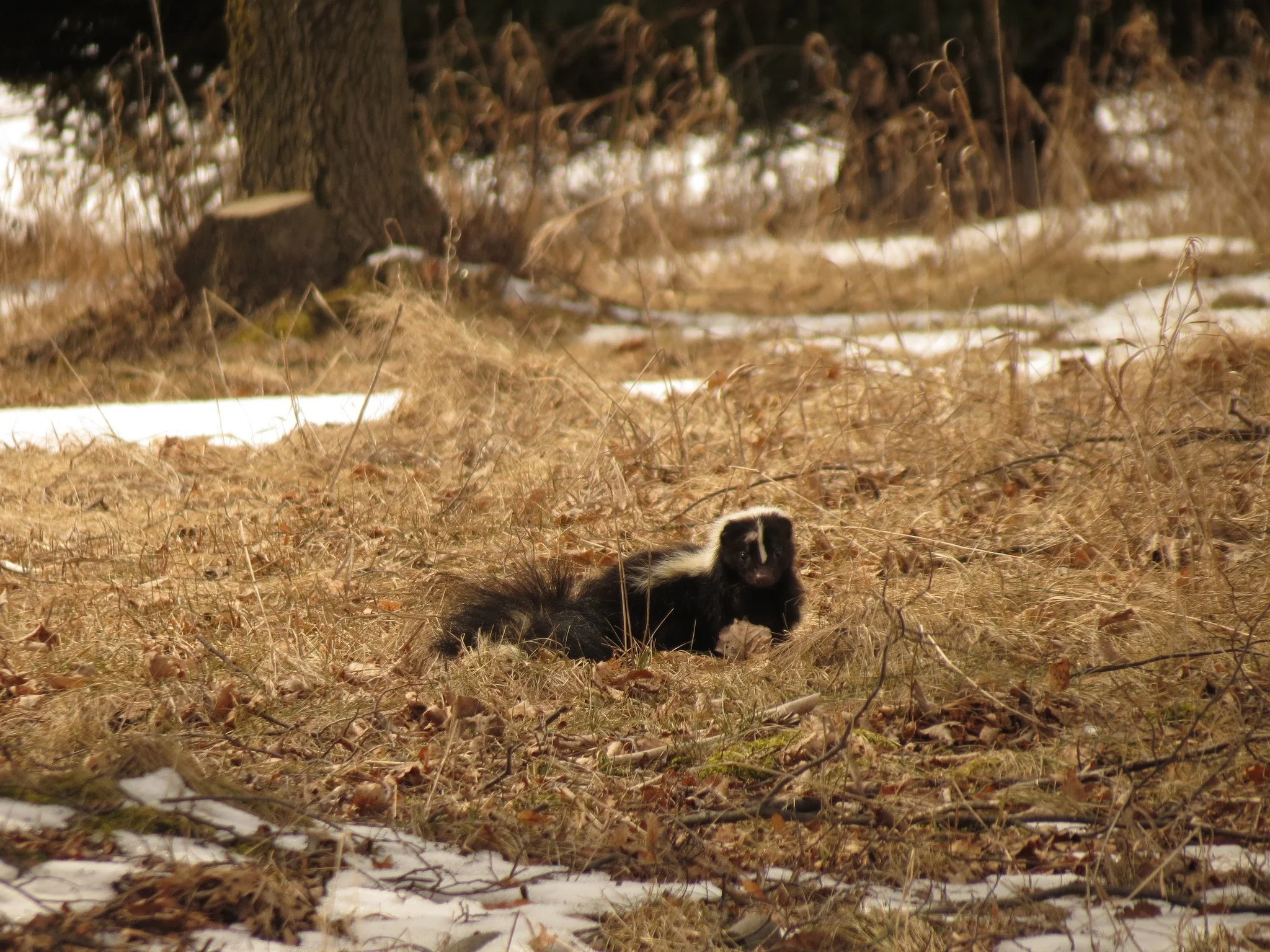
Similar to October, November is the period of scavenging and preparing for the long haul. This may be your last chance to view mammals like the Eastern Chipmunk (Tamias striatus), the Striped Skunk (Memphitis memphitis) and Common Raccoon (Procyon lotor) who enter their own period of “torpor”, a period similar to hibernation, where animals undergo reduced physiological activity.
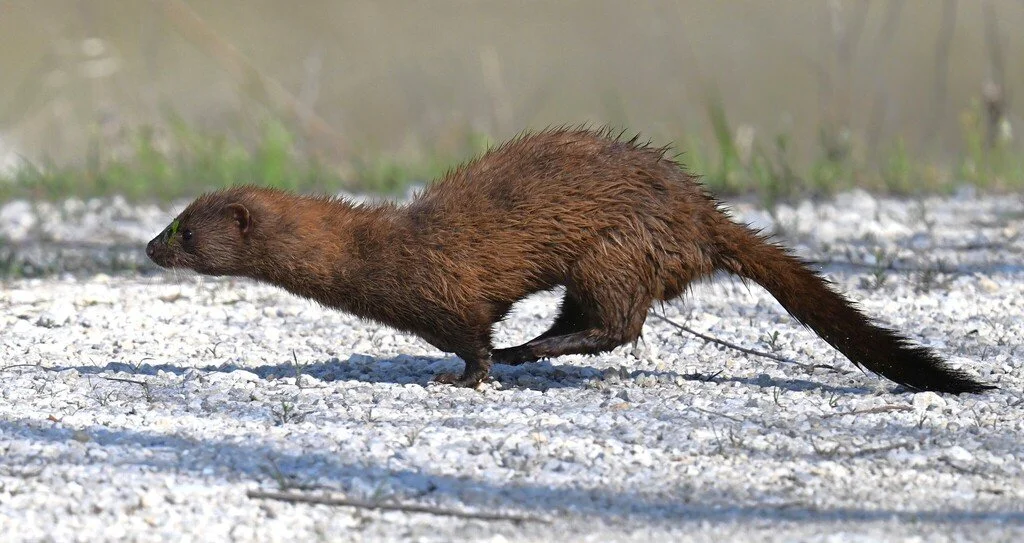
Mammals like the American Mink (Neogale vison) and Big Brown Bats (Eptesicus fuscus) burrow and hibernate in deteriorating logs, brush piles, and trees, so you will have a difficult time spotting them in November. If you’d like to help our local mammals, ensure you do not disturb their shelter by overly raking or mowing your lawn, or disturbing them if you see them. Make sure to leave any garbage safely secured in your trash containers.
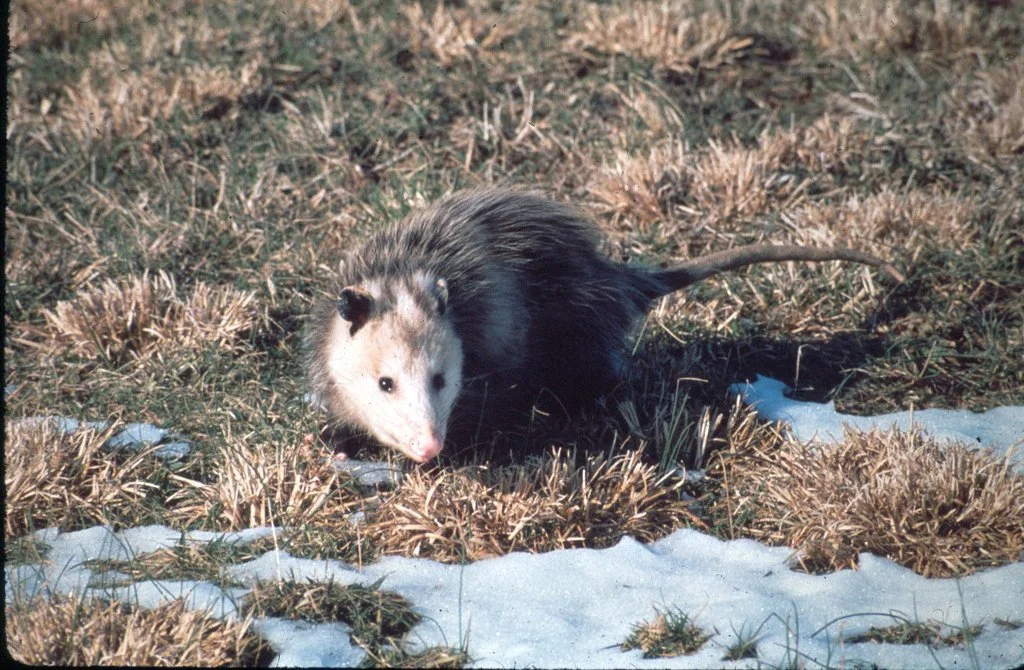
One mammal we are also seeing more and more of is the Virginia Opossum (Didelphis virginiana), which is native to South America and the southern portion of North America. Opossums have hairless feet and snouts, so it is very difficult for them to forage in the winter without getting frostbite. However, as Southern Canada warms, it becomes more suitable for opossum migration. Another large factor impacting the northward expansion of the Opossum is urbanization. Opossums are omnivores that will eat almost anything. Rapid urban and suburban expansion gives Opossum’s more opportunity for scavenging.


Reptiles & Amphibians
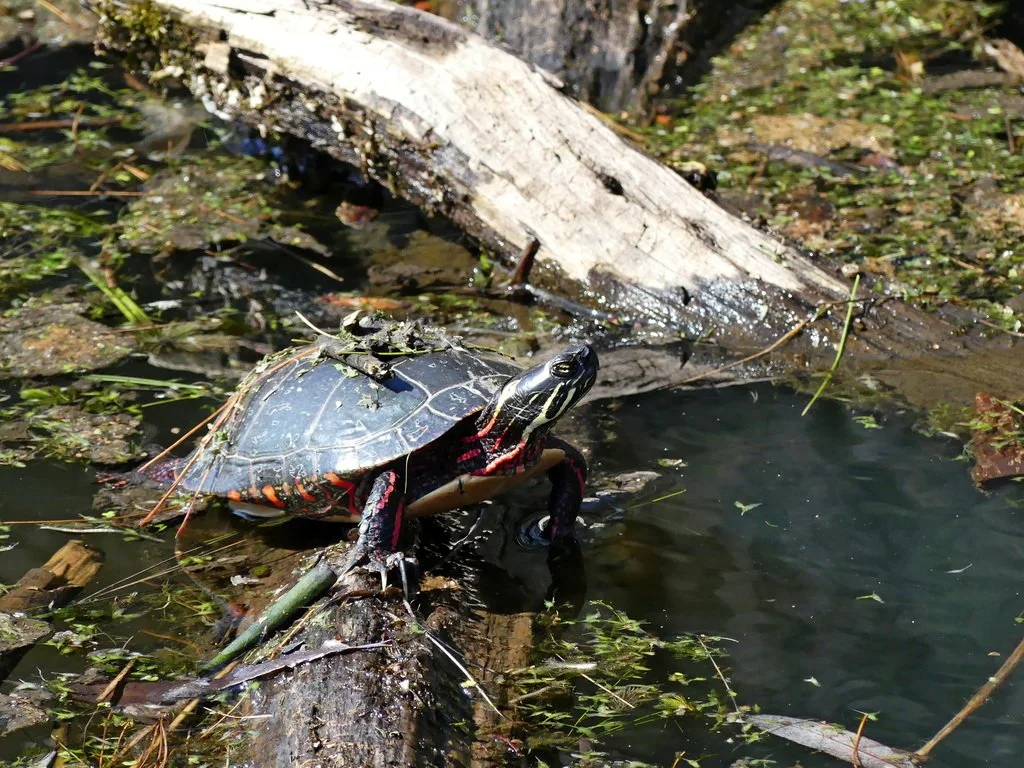
November is the last month before the Winter to see reptiles and amphibians. By the end of the month, they will be overwintering. Common turtle species, like the Painted Turtle (Chrysemys picta), Common Snapping Turtle (Chelydra serpentina), and Northern Map Turtle (Graptemys geographica) overwinter underwater or in saturated mud. Snakes, like the Dekay’s Brownsnake (Storeria dekayi) and Common Garter Snake (Themnophis sirtalis) overwinter below the frost line. They go through mammal burrows, natural crevices such as decayed tree roots and stumps, or in urbanizing environments, through concrete walls and building foundations.


Trees & Shrubs
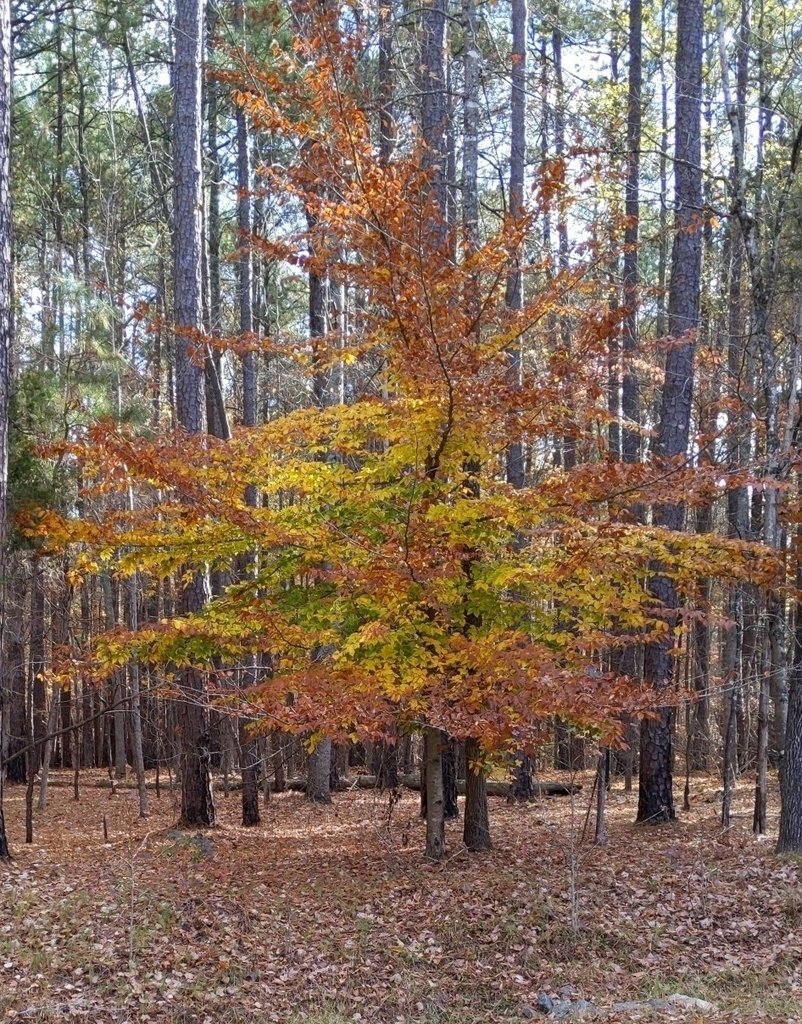
As Fall comes to a close, most deciduous trees lose their leaves. However, some hold onto their dry, brown leaves throughout Winter in a process called marcescence. Some marcescent tree species include Oak (Genus quercus), Beech (Genus fagus), and Hornbean (Genus carpinus). The advantages to marcescence still remains a mystery to researchers. Some scientists believe that marcescence provides the tree with a healthy layer of nutrients from mulch come spring. This might also be advantageous in dry and infertile soil typologies, where oaks and beeches are typically found. See if you can spot marcescence in your neighbourhood!


Wildflowers
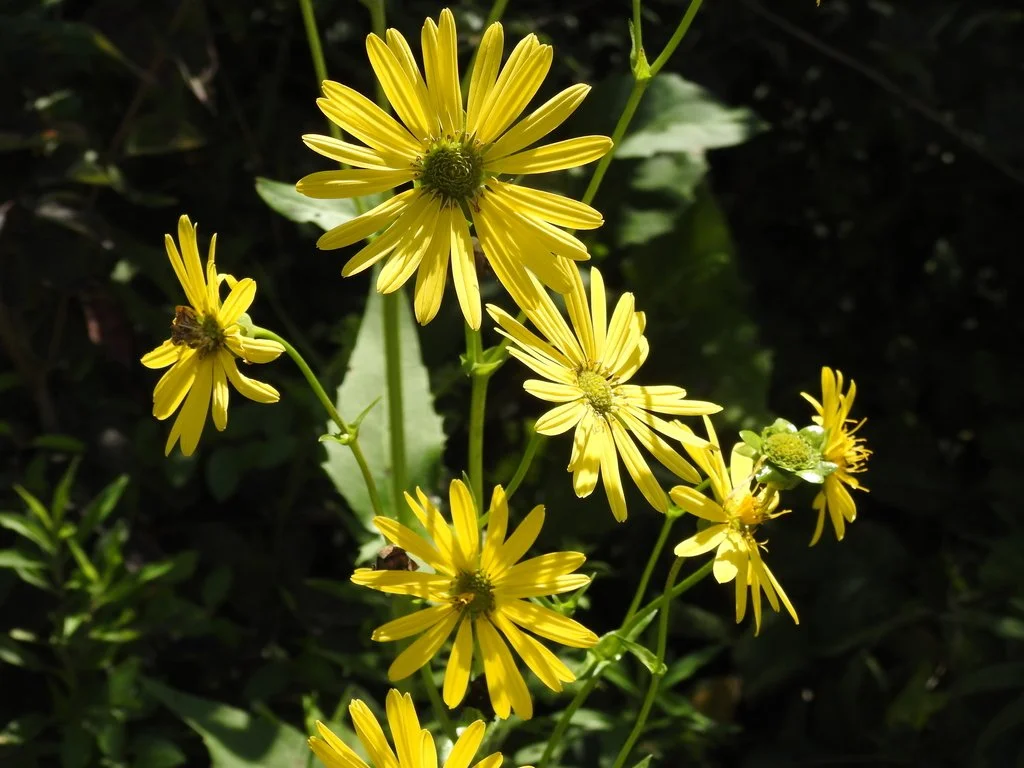
The Xerces Society for Invertebrate Conservation says that having abundant floral resources throughout the year is helpful to support pollinators! They provide suggested plant lists that can help gardeners select species with blooms from spring through fall. They suggest that for November, wildflowers like Sunflowers (Helianthus spp.) provide essential nutrients for wildlife such as the American Goldfinch (Spinus tristis). Seeds from all the year’s flowers create beautiful textures and vital food sources in gardens, fields, and woodlands! Species such as Cup Plant (Silphium perfoliatum) contribute to wildlife, both from their seeds this time of year, and the water-pooling character of their vessel-shaped leaves that gives a drink to birds and insects. November is prime time for the Burdock (Arctium spp.)! The Burdock is an invasive species in Ontario, which has evolved to snag in fur for transport. If you’ve ever gotten your hair or clothing stuck in their velcro-type fasteners, you probably know how stubborn they can be, so remember to keep your hair back if you find yourself in the middle of a brush or leaf pile.

Fungi
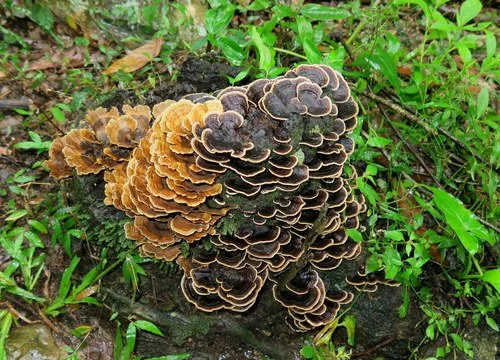
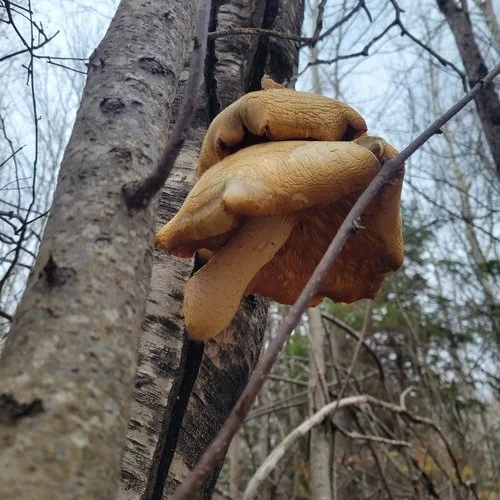
In November in Ontario, you can find late-season fungi like Velvet Foot (Flammulina velutipes) hanging out on dead or dying elm, as well as ash, beech and oak; Turkey-Tail (Trametes versicolor) in logs and stumps of deciduous trees; and clusters of Elm Mushroom (Hypsizygus ulmarius) growing up the base of hardwood trees such as elm and box alder.

Insects
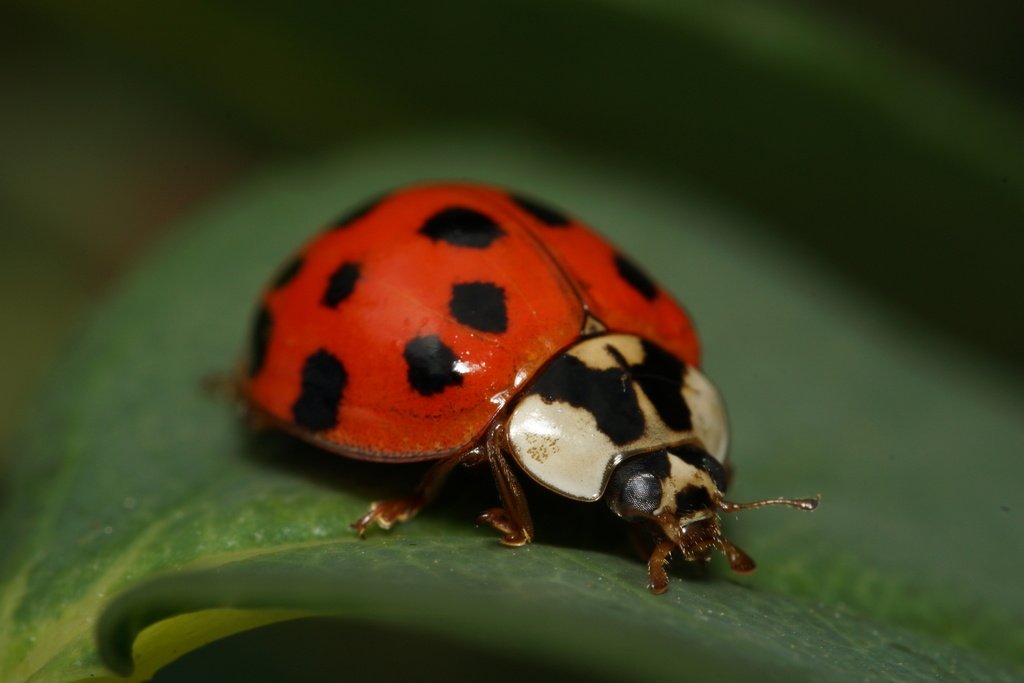
During the winter months, insect movement becomes significantly slower as they are entering their dormant period. As such, we would like to focus on one particular insect species for November: the Lady Bug (Family Coccinellidae)! There are 144 different types of Lady Beetles native to Canada, with 57 of them belonging to the Coccinellidae family. One notable subspecies not native to Canada is the Asian Lady Beetle (Harmonia axyridis), which was introduced into Canada in the 1970’s to control aphids, small crop-eating insects. Since then, the Asian Lady Beetle population has steadily grown in Canada, which can sometimes disrupt human activity.
As the weather cools, Lady Beetles enter a state of diapause—a dormant period similar to hibernation—and gather in large groups to conserve warmth and moisture. These clusters often form in natural spaces such as under tree bark, inside leaf litter, or within rock crevices, where they will not be disrupted. By clustering together and slowing their metabolism, they’re able to conserve energy until spring arrives and food becomes abundant once again. But some species, like the Asian Lady Beetle, are also known to seek shelter in human-made structures like attics or walls! They are attracted to the warm, sunny sides of homes, they will gather and may make it inside the home.
While they can be a nuisance, Lady Beetles and Lady Bugs are generally very beneficial to the environment and human activity! They help curb aphid population, do not bite, and do not transmit disease.
This month you can join EcoSpark for a Walk on the Wild Side. We’re raising funds to bring more high-quality outdoor education programs to schools that lack the funding to experience them. Check out our upcoming walks below.
Biodiversity events happening this month:
Have a restful November!
The EcoSpark Team
Your monthly observations contribute essential data for understanding Toronto's urban biodiversity patterns. Record your findings on iNaturalist to support ongoing research into phenology, species distributions, and ecosystem relationships within our urban environment.
Primary Sources (Toronto Biodiversity Series):
City of Toronto. (2020). Birds of Toronto: A Guide to their Remarkable World (2nd edition). Toronto Biodiversity Series. https://www.toronto.ca/wp-content/uploads/2020/05/8ea3-City-Planning-Birds-of-Toronto-Biodiversity-Series.pdf
City of Toronto. (2016). Mammals of Toronto: A Guide to their Remarkable World (Parts 1 & 2). Toronto Biodiversity Series.
City of Toronto. (2016). Reptiles and Amphibians of Toronto: A Guide to their Remarkable World. Toronto Biodiversity Series.
City of Toronto. (2016). Trees, Shrubs and Vines of Toronto: A Guide to their Remarkable World. Toronto Biodiversity Series.
Additional Sources:
Arsenault, M. (2023, January 12). How snakes overwinter. Wildlife Preservation Canada. Retrieved October 1, 2025, from https://wildlifepreservation.ca/blog/how-snakes-overwinter/
Ramos, D. (2025, June 23). How groundhogs made the DVP their home in the heart of Toronto traffic. Toronto Today. Retrieved October 1, 2025, from https://www.torontotoday.ca/local/environment-climate/dvp-heres-how-groundhogs-made-expressway-home-10835683#:~:text=How%20groundhogs%20made%20the%20DVP,more%20sense%2C%E2%80%9D%20Koprivnikar%20said
Windmuller, D. (2023). New England Aster. Pollinator Garden. Retrieved October 1, 2025, from https://www.pollinatorgarden.ca/product-page/new-england-aster#:~:text=Deep%20purple%20flowers%20offer%20rich,and%20produce%20even%20more%20flower