
Cultivating BiodiverCity and Climate Resilience - August

© Duncan Rawlinson via Flickr
Written by: Jerry Han and Finn Le
Dear EcoSpark Volunteers and Nature Seekers,
Welcome to the August 2026 edition of Cultivating BiodiverCity and Climate Resilience! Though the summer starts to come to an end, wildlife in the GTA shows no signs of slowing down! August marks the beginning of fall migration for many species, so expect to see many exciting birds and butterflies flying through. As the days begin to shorten, make sure to take advantage of the warm weather while it lasts!
Birds
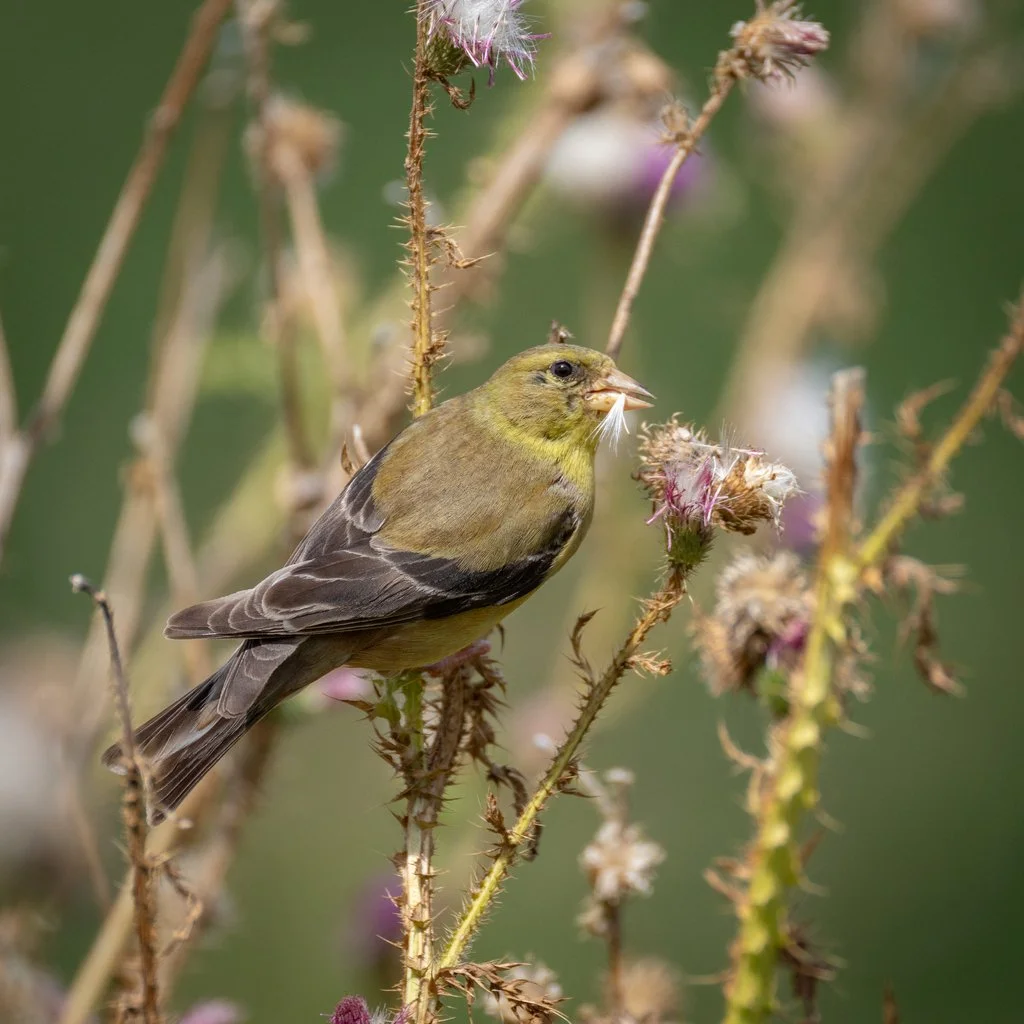
While most birds are busy preparing for their fall migrations, the American Goldfinch (Spinus tristis) has only just begun to nest. The American Goldfinch waits until mid to late summer to nest, when plants from the Asteraceae (Daisy) family such as thistles or sunflowers transition from flowering to seeding. As August is peak nesting month, Goldfinch fledglings are a common sight, hopping around the grass or flitting in low bushes as they learn to fly.
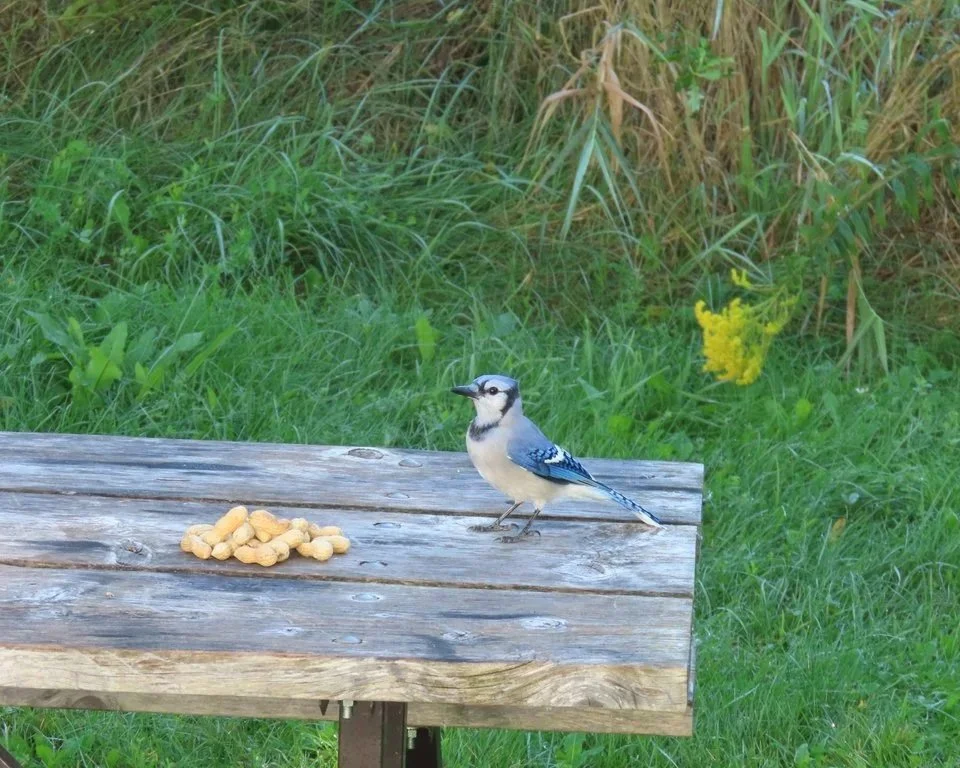
As acorns begin to fall from oak trees, you may notice squirrels rummaging around the ground, burying their winter caches. However, there is another animal that also caches acorns. In terms of spreading acorns, Blue Jays (Cyanocitta cristata) are far more beneficial for producing new oak trees. While squirrels can remember and recover a remarkable 80-90% of all the food they cache, Blue Jays only recover around 25%, leaving thousands of acorns to sprout into new oak trees. Blue Jays use an expandable throat and their upper esophagus area in what is called a gular pouch to store and transport more nuts and seeds at once. They can hold a maximum of 5 acorns at once - 3 in the gular pouch, one in the mouth and one in their beak tips.
Mammals
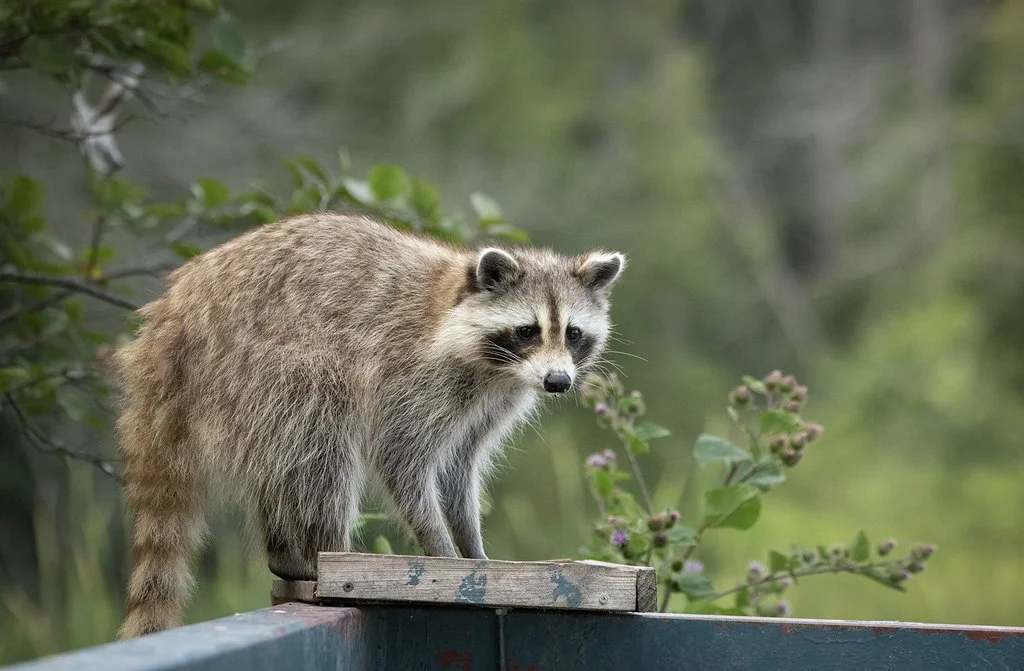
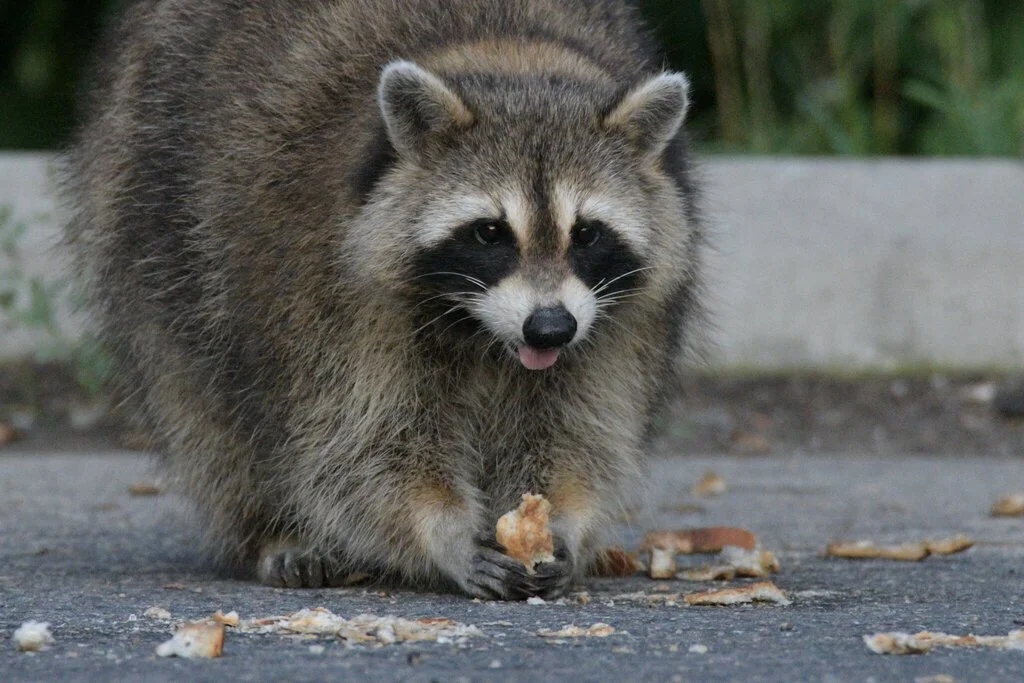
A familiar urban animal for most of those in the GTA, the month of August brings about another unique animal behaviour in preparation for winter hibernation. Common raccoons (Procyon lotor) undergo what is known as hyperphagia. Hyperphagia is a biological state of voracious intense hunger to stock up on caloric reserves to survive the harsh winter months. During raccoon hyperphagia, which begins in late August and continues throughout the autumn months, a raccoon’s daily caloric intake can jump threefold. It is because of this hyperphagia that raccoons become so active and rambunctious in many people’s trash cans and backyards during this late summer to fall season. However, urbanization and increasing interactions with human waste, raccoons have actually been known to develop diabetes during their autumn hyperphagia, as they feed on human trash which is high in both fat and sugar.
Reptiles & Amphibians
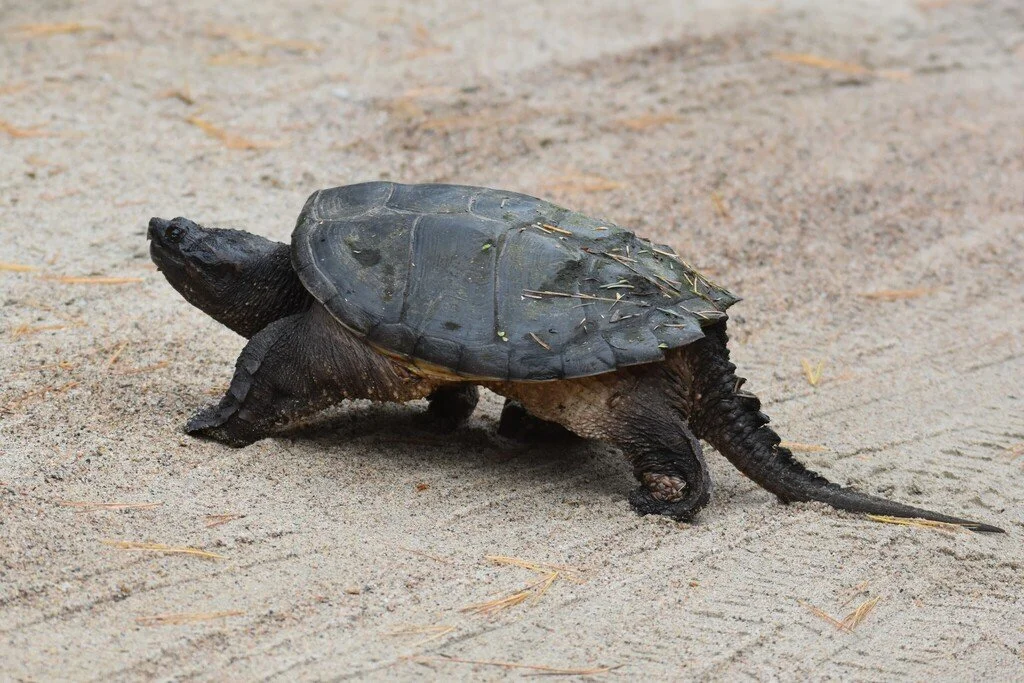
The end of summer marks a pivotal point for many reptiles and amphibians here in Ontario. This includes a crucial moment for one of the most iconic North American species, as the eggs of the common snapping turtle (Chelydra serpentina) begin to hatch. Expect to see hatchlings in most major waterbodies, including the Credit River. No larger than a toonie, the hatchlings will emerge from their nests and begin making their way towards nearby wetlands and waterways, where they will spend the coming months growing and feeding. As temperatures begin to drop, they will eventually settle into the soft mud and leaf litter at the bottom of the water, where they can overwinter until spring. Eventually, they’ll develop into giant, long-lived turtles that can reach over 30 cm in shell length and weigh more than 15 kg. If you see them, make sure to observe from a respectful distance. Although they are generally shy in the water, common snapping turtles can be particularly defensive on land, where they may snap or lunge when they feel threatened. If you encounter one, give it plenty of space and allow it to continue on its way!
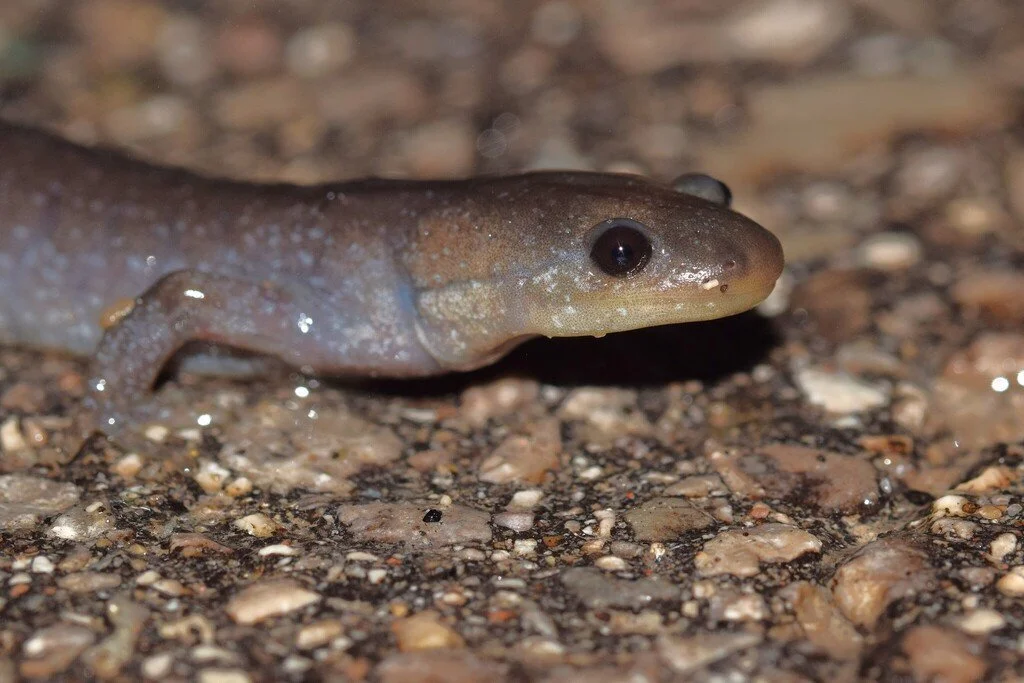
On the same note, an important change also occurs in an elusive amphibian, the endangered Jefferson salamander (Ambystoma jeffersonianum). This species of salamander is in immediate danger of extinction, as habitat loss and urbanization continues to threaten what little habitats it has left. After spending the spring and summer developing in breeding ponds, young larval salamanders complete their metamorphosis and leave the water for the surrounding forests, shedding their aquatic gills in favor of lungs. This change allows them to transition from an aquatic lifestyle to a terrestrial one, where they will spend the majority of their lives hidden beneath leaf litter, logs, and soil in their native habitat. As summer comes to an end, these young salamanders begin dispersing through the forest, making the preservation of connected, undisturbed habitat especially important for their survival. This species is a prime example of a species in the GTA which is directly impacted by human disturbance, which is exactly why conservation efforts are necessary.
Fish
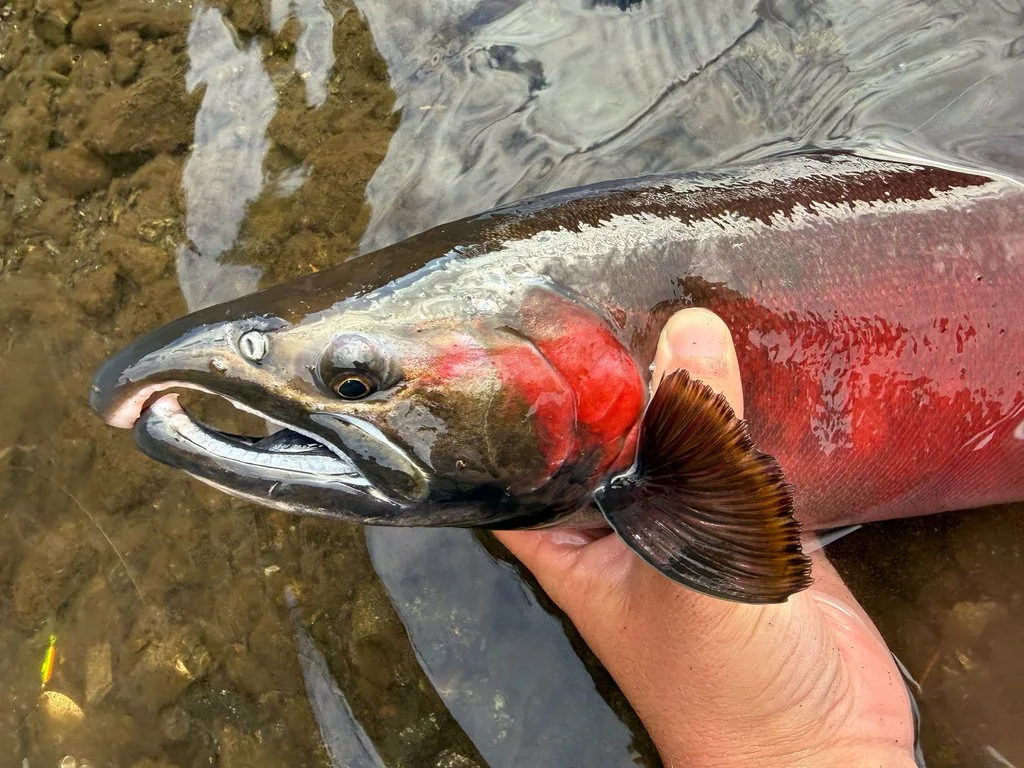
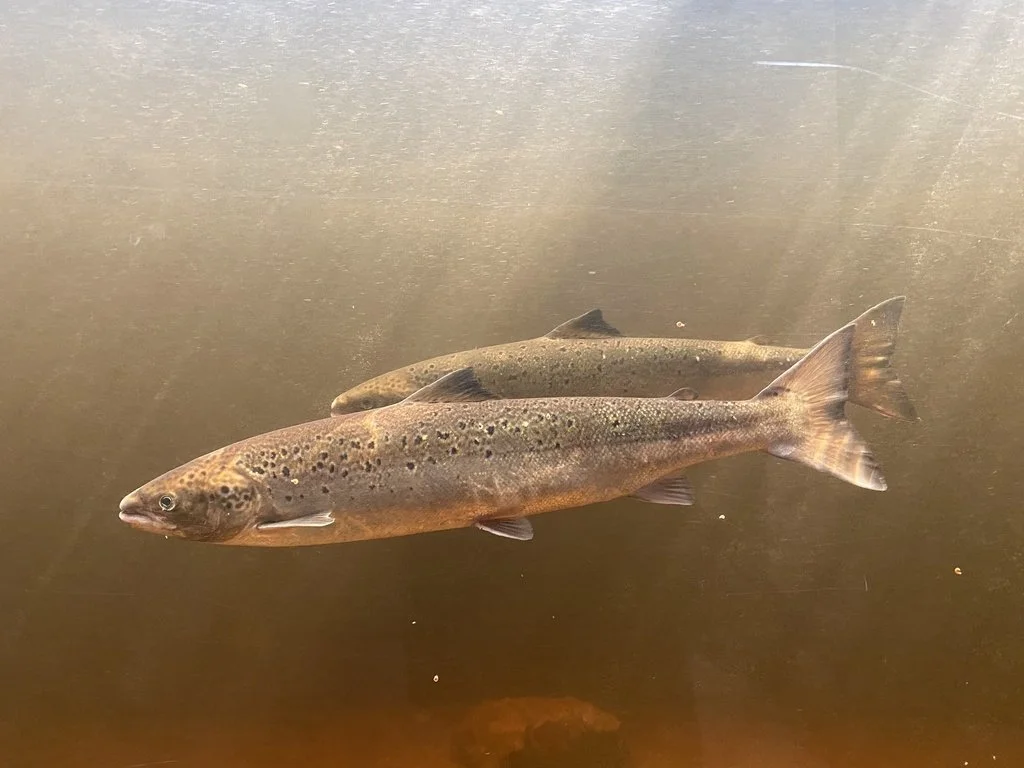
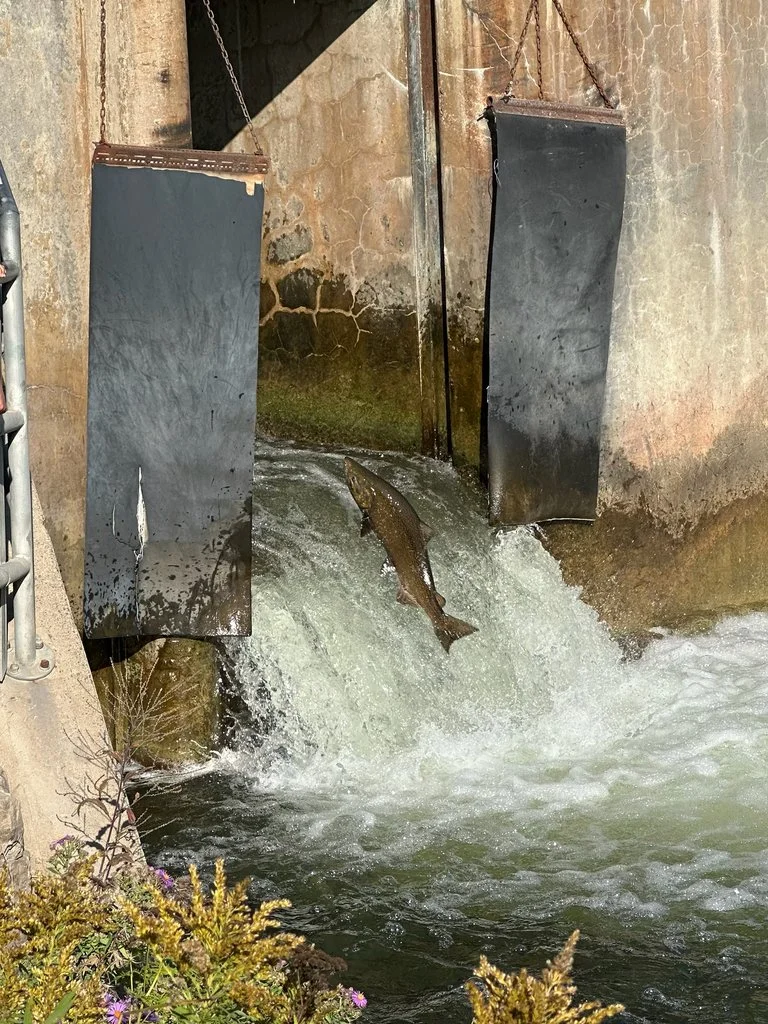
If you have ever been to a river during the fall in the GTA, chances are that you know all about the massive hoards of salmon which travel up the various waterways every fall. August marks an important time for species such as the chinook salmon (Oncorhynchus tshawytscha), coho salmon (Oncorhynchus kisutch), as well as the atlantic salmon (Salmo salar), as all of them begin an important step before migrating known as “staging”. As temperatures begin to fall in late summer and early autumn, mature fish begin staging near the mouths of tributaries before moving upstream. Once in the river, they follow the current upstream to reach suitable spawning habitat. This annual migration brings thousands of large fish into waterways that, only months earlier, were dominated by an entirely different community of warm-water fish. But what does this mean for the GTA? Well, these salmon play a crucial part of our ecosystems, as their migration brings upon a massive increase in the river’s biomass, helping bring nutrients upstream from the lake. This, in turn provides an important source of food for aquatic organisms, birds, and mammals, while the salmons’ eggs and young become an important part of the river’s food web.
Wildflowers
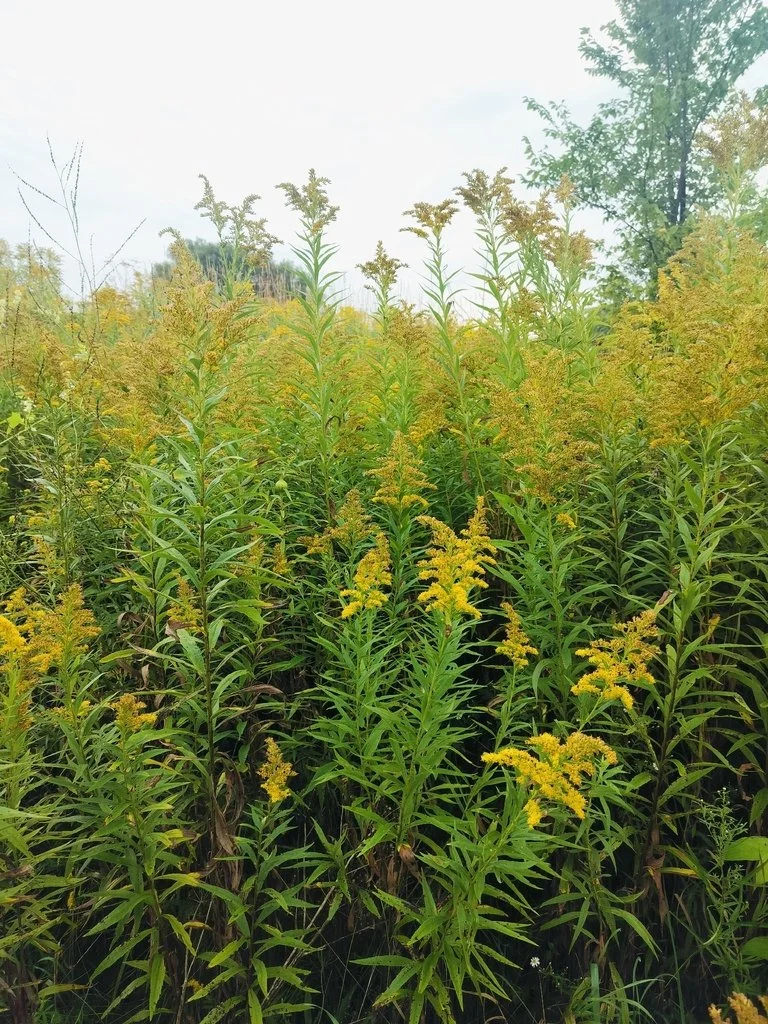
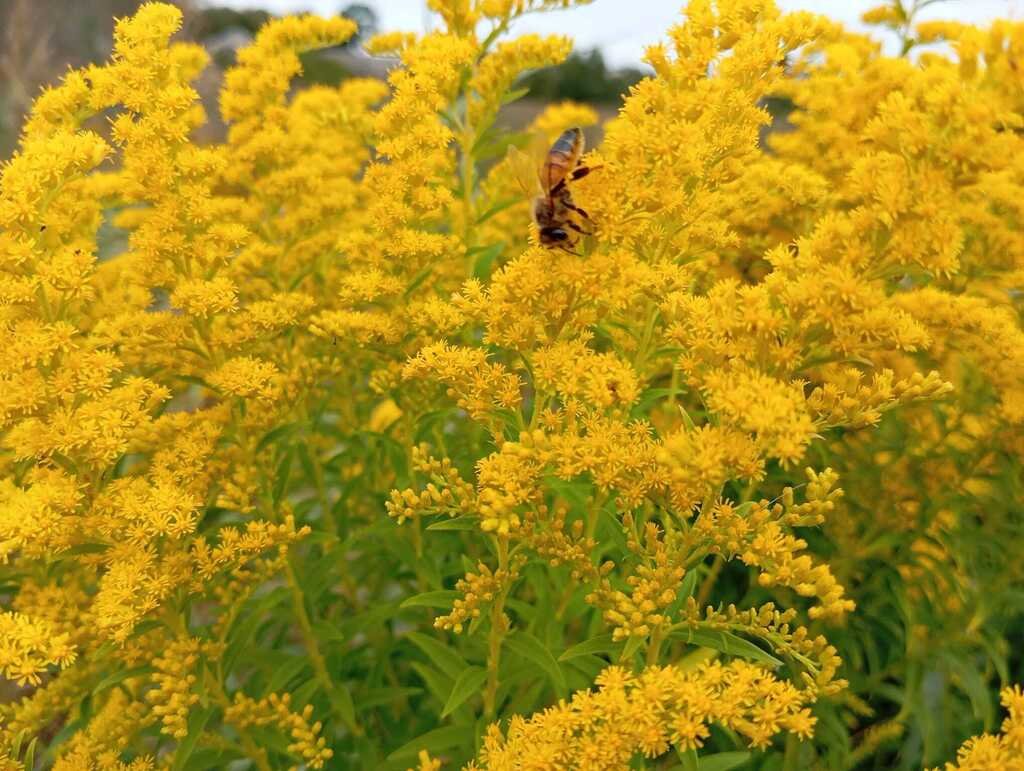
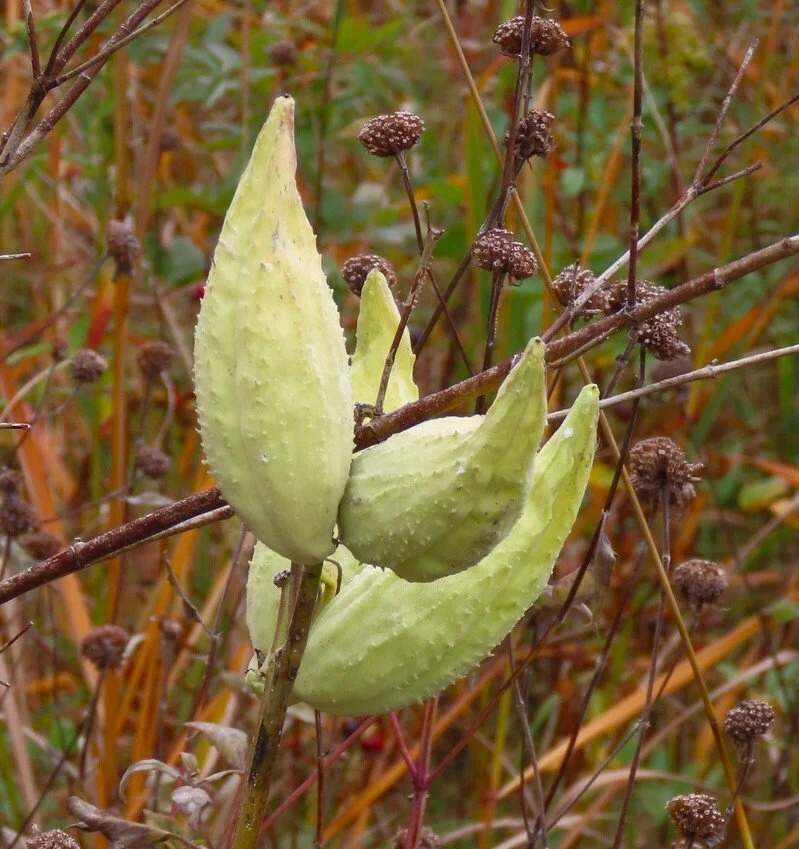
August marks an important period for many of the GTA’s plants. If you live in an urban area, you’ve probably seen tall, yellowish flowers peeking out from the edges of patches of grass. These plants are members of the goldenrod genus (Solidago sp.), and are the backbone of many pollinator ecosystems. As many early-summer flowers begin to fade, goldenrods provide excellent habitat and an abundant source of nectar and pollen for bees, butterflies, moths, and other insects, making them a vital part of the GTA ecosystems.
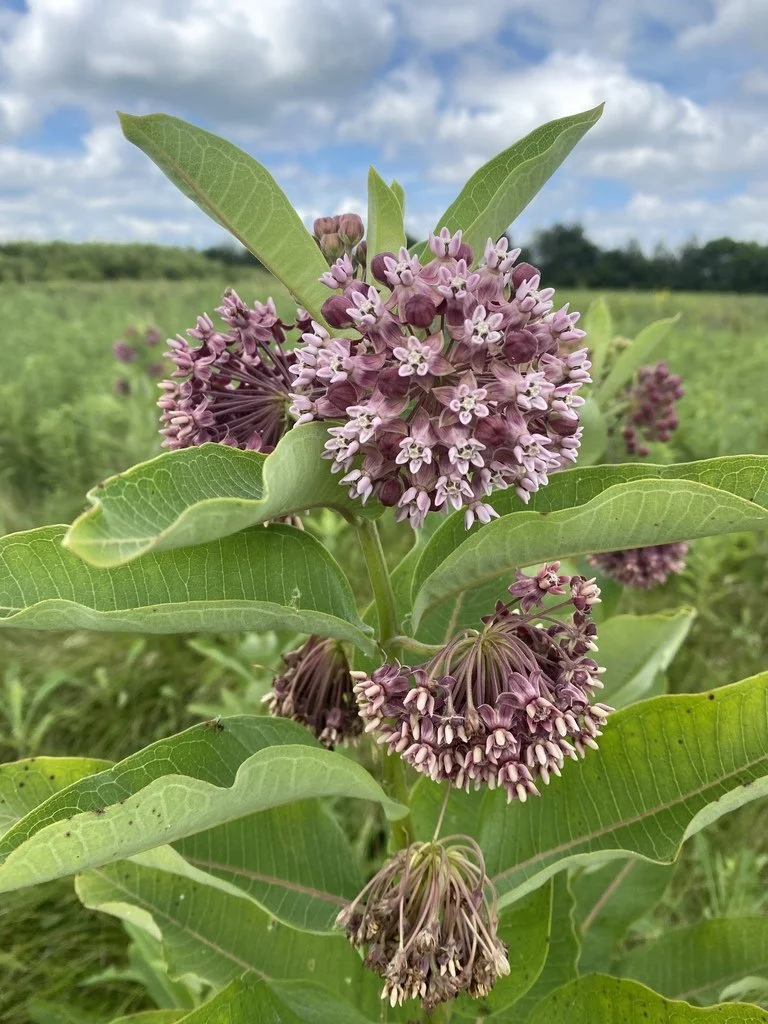
Another species in particular, common milkweed (Asclepias syriaca), begins transitioning from its summer flowering period into seed production, developing its distinctive seed pods as the season progresses. This is especially important for monarch butterflies (Danaus plexippus), whose caterpillars rely almost exclusively on milkweed as a food source. Common milkweed also act as a crucial food source for insects such as large milkweed bugs (Oncopeltus fasciatus), milkweed beetles (Tetraopes spp.), and a variety of native bees and other pollinators. These relationships make milkweed an important part of the GTA’s summer ecosystems, supporting a diverse community of insects even as the plant itself begins preparing for the coming autumn.
Insects and Arthropods
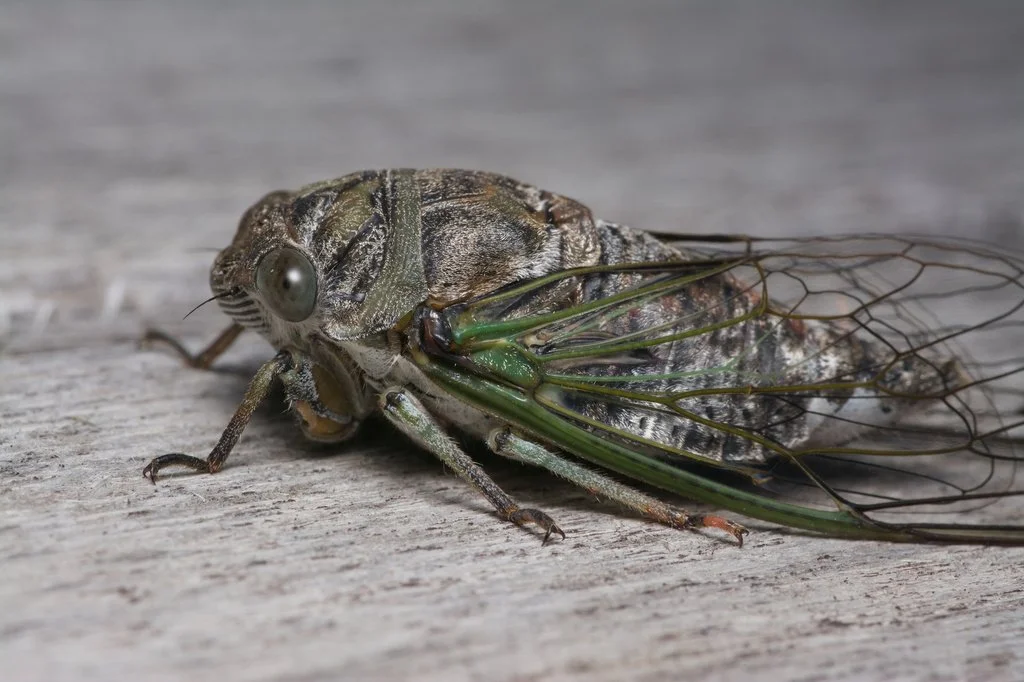
As Summer draws to a close in August, the GTA region’s bugs are at their noisiest in the year. Throughout this month, a familiar metallic buzzing can be heard in the trees; the Northern dog-day cicada (Neotibicen canicularis) is the most commonly observed Hemipteran (meaning true bug) in Toronto and across the GTA. Known as the loudest of all insects, male cicadas have specialized membranes found as a pair on the abdomen called tymbals. The tymbal muscle’s rapid contraction and relaxation is responsible for their prominent summertime buzzing. Some might mistake our Northern dog-day cicadas for a periodical cicada, which spends 13 - 17 years of its life as a nymph, but the species is actually an annual cicada - emerging and breeding every summer. Canada, including Ontario, does not actually have any periodical cicadas, but they are found further down south in the Eastern and Midwestern United States.
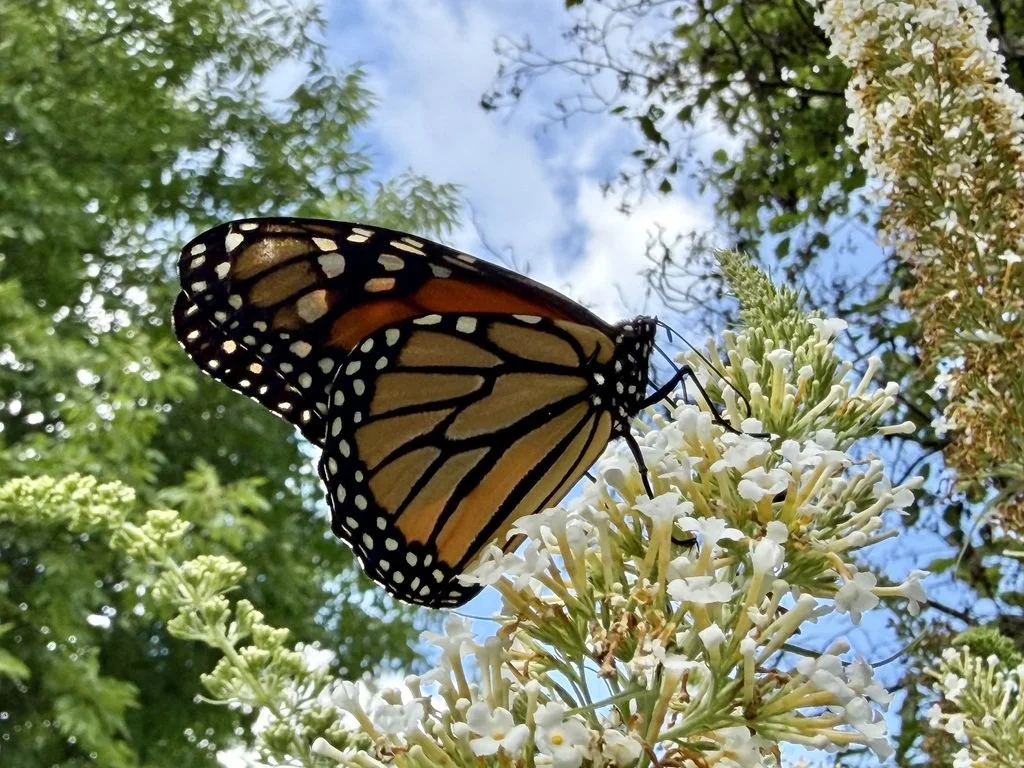
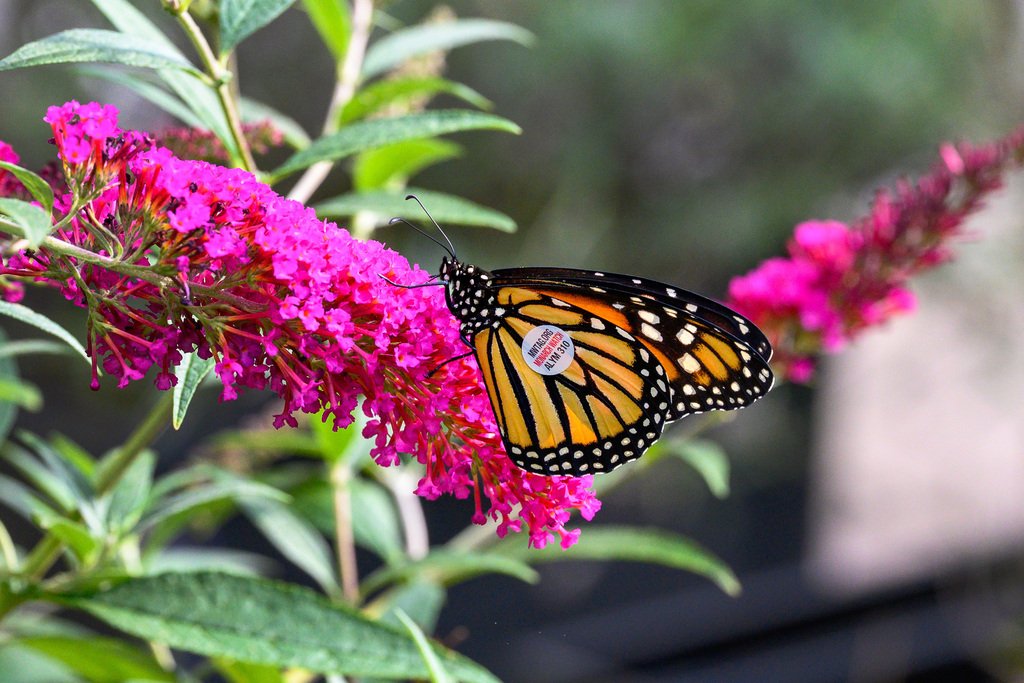
A familiar sight for many, the observation record of the monarch butterfly (Danaus plexippus) crests in the month of August. More specifically, August marks the emergence of the migratory monarch butterflies. This is the fourth generation of monarchs that emerge within a year, the first being born as early as March from the previous generation of overwintering butterflies. This fourth generation is hardier and has an extended lifespan compared to the other three generations, living for up to nine months as compared to fleeting weeks. This is needed for them to complete southern migration and overwintering. Keep an eye out for any monarchs with tags - stickers on their hind wings. You may have just come across a small fraction of one of the largest butterfly citizen science projects; Monarch Watch. Monarch Watch participants tag fourth generation migratory Monarchs during their Fall migration to gain a better understanding of Monarch distribution and helps uncover important information regarding the timing and pace of the migrations across the years.
The EcoSpark Team
Your monthly observations contribute essential data for understanding Toronto's urban biodiversity patterns. Record your findings on iNaturalist to support ongoing research into phenology, species distributions, and ecosystem relationships within our urban environment. However, please be aware of human and wildlife safety at all times and explore natural areas responsibly with ethical wildlife photography.