
Cultivating BiodiverCity and Climate Resilience - June

Written by: Ciera Cleary, Noa Gafni, Maryam Ali, and Felicia Mikrogianakis
Birds
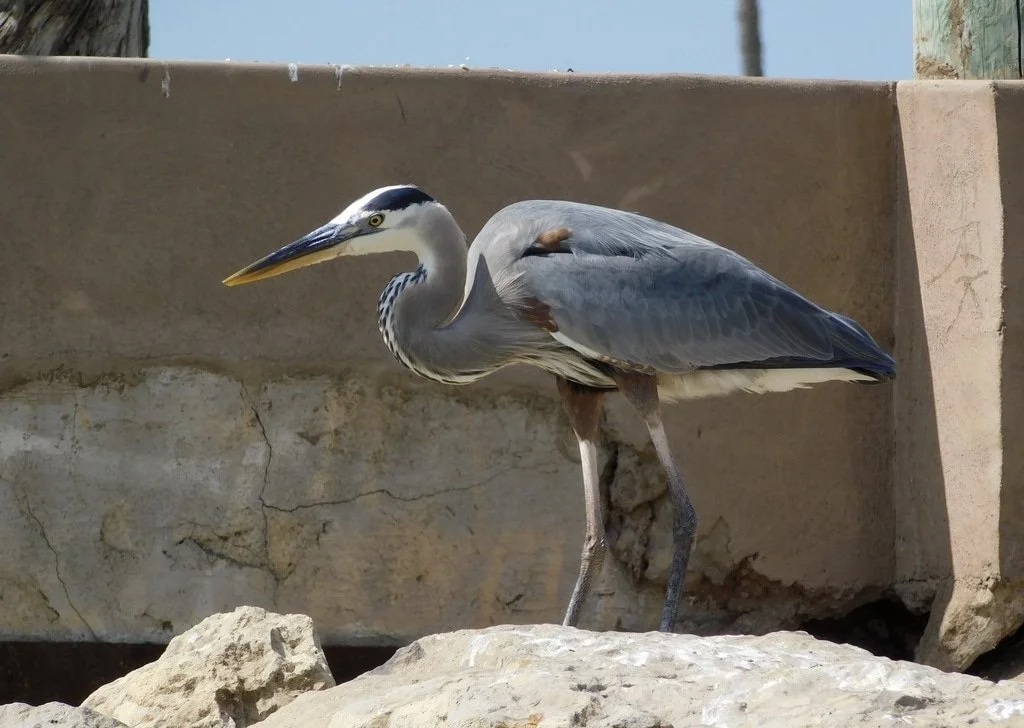
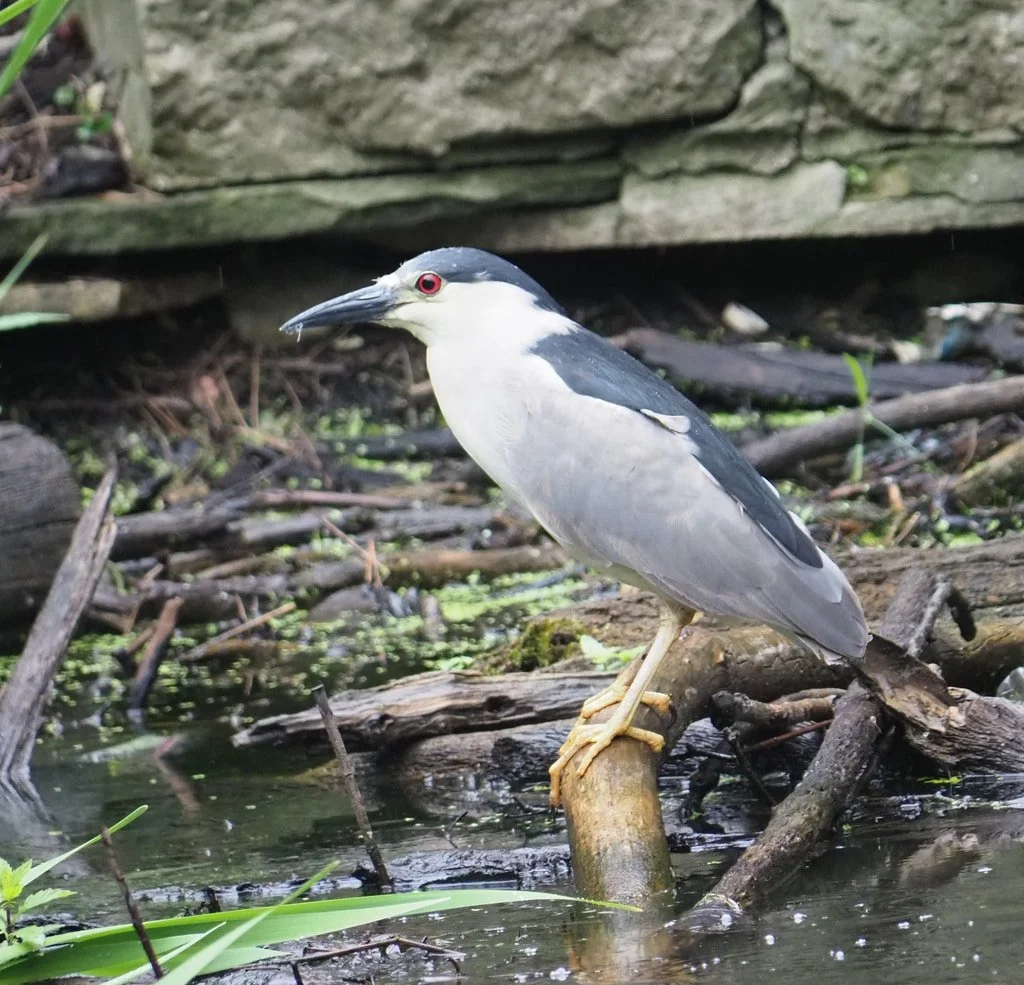
June marks the return of herons to Southern Ontario's freshwater oasis, including the striking Great Blue Heron, and the humble Black Crowned Night Heron. These birds can nest in colonies of hundreds, but heron nests are hardly ever seen as they like to hide them away in isolated wetlands and even on islands. Keep an eye out for lone herons catching prey near the water, or look for their huge outlines in the sky!
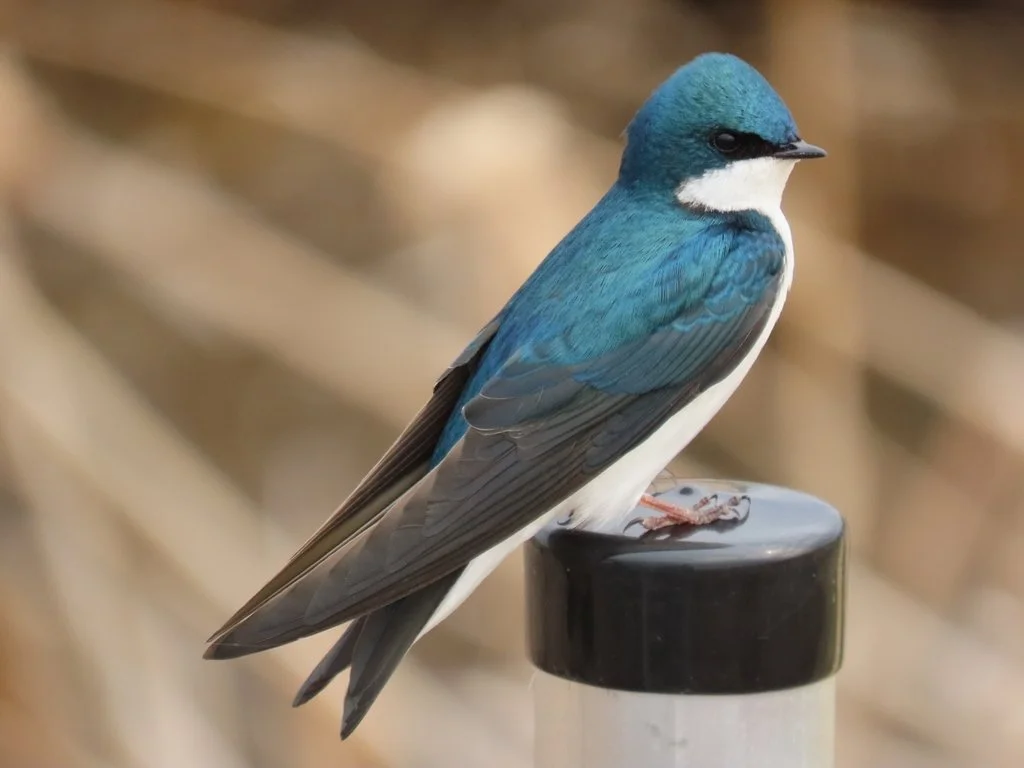
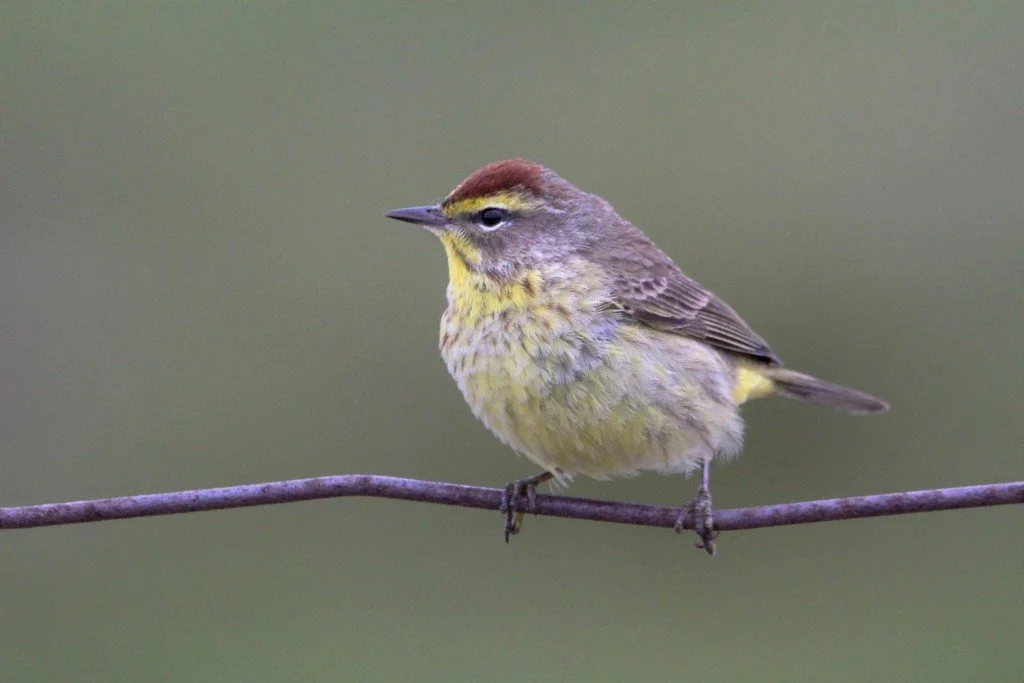
On drier areas, keep an eye out this month for swallows, including the Tree Swallow and Barn Swallow, and for warblers, including the Black and White Warbler and the Palm Warbler. All of these beautiful birds are common to spot in the GTA, especially in June!
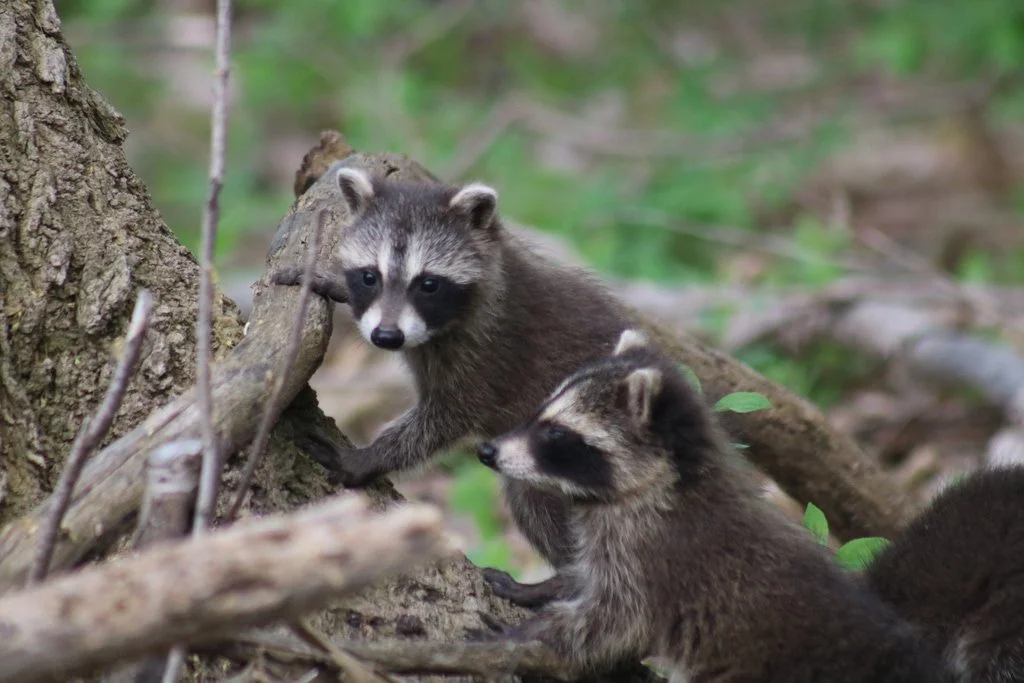
Mammals
Spring and early summer brings the arrival of baby raccoons and squirrels! Raccoon litters typically range from one to seven kits, while squirrel litters can range from one to nine kits. It’s normal for these young mammals to wander away from their mother for short periods of time so try not to worry if you see them exploring on their own. You might even see traditionally nocturnal mammals, such as raccoons, out during the day throughout this time of year in search of food for their babies. It’s best to avoid feeding wildlife and practice keeping food scraps in a secure bin.
It is common to notice wildlife searching for shelter around attics, sheds, and decks this time of year. These are places where mothers like to build nests for the warmth and protection of their babies. While it’s best to leave wildlife alone, ways to safely remove wildlife from your building can be found here.
Reptiles & Amphibians
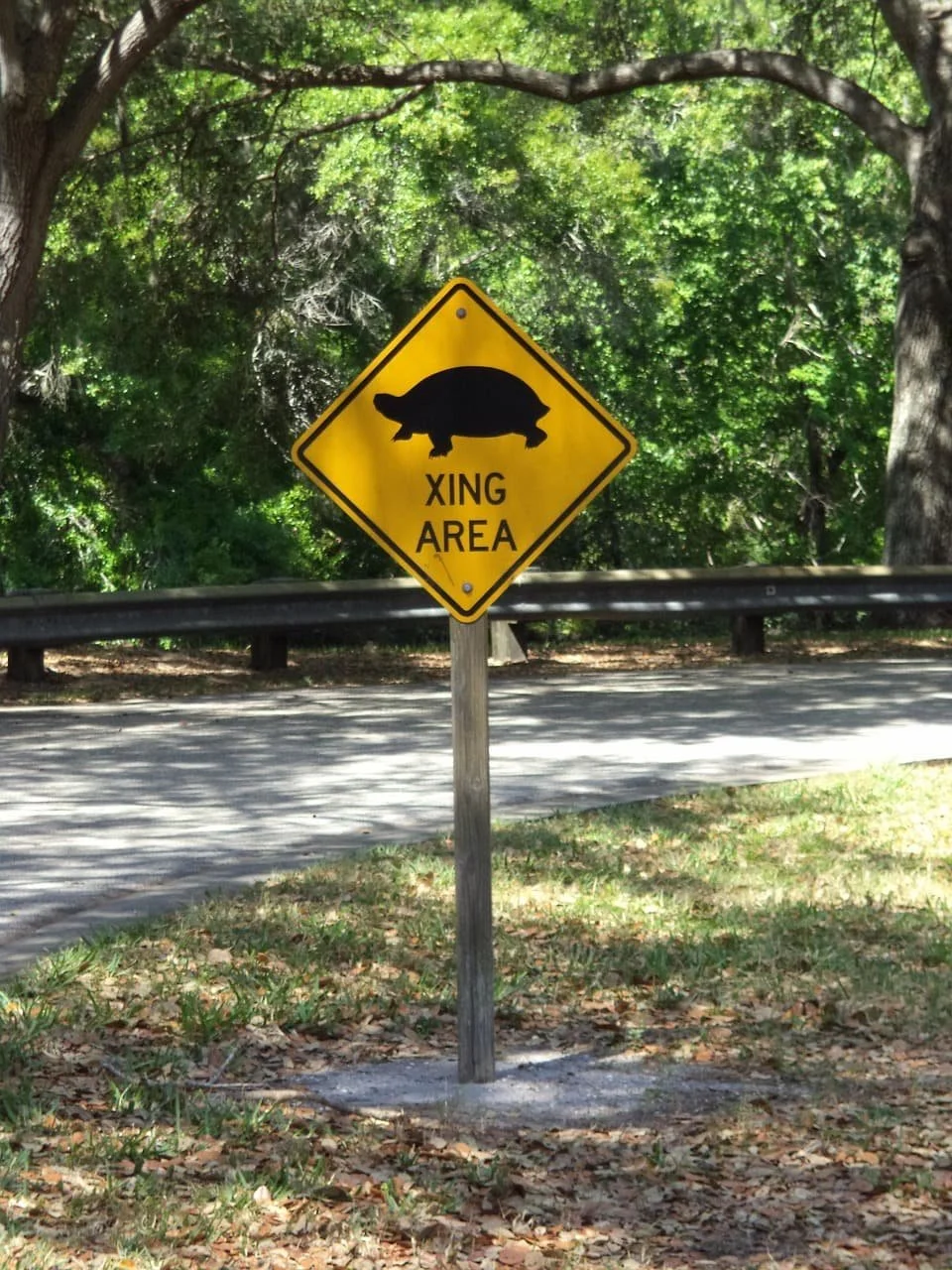
As we begin to experience the first of many high temperatures of the summer months, we also reach another seasonal peak- the height of nesting and breeding season for many turtles! Female turtles can often be found traveling near roads in search of nesting sites, and sometimes even nesting alongside road edges. This makes them highly susceptible to being hit by vehicles, with Ontario Nature reporting that turtle road mortality is highest in June. Some ways to help include staying alert for turtle crossing signs while driving and using community/citizen science tools like iNaturalist to log turtle sightings, which can support their monitoring and conservation efforts.
The warming months also lead to another peak in wildlife activity - increased tick presence. Snake populations, such as the Eastern Milksnake, play an important role in regulating ticks by controlling rodent populations, such as mice. Since ticks rely on small mammals like mice during their early life stages, keeping rodent populations in check can indirectly limit tick populations and the spread of tick borne diseases. Clearly, this highlights just one of snakes’ many important roles in our ecosystem, and calls on us to protect their populations- many of which are already at risk in Ontario. It is especially important to be alert in early summer, as snakes may be more visible due to increased breeding activity and basking near roads.
Trees & Shrubs
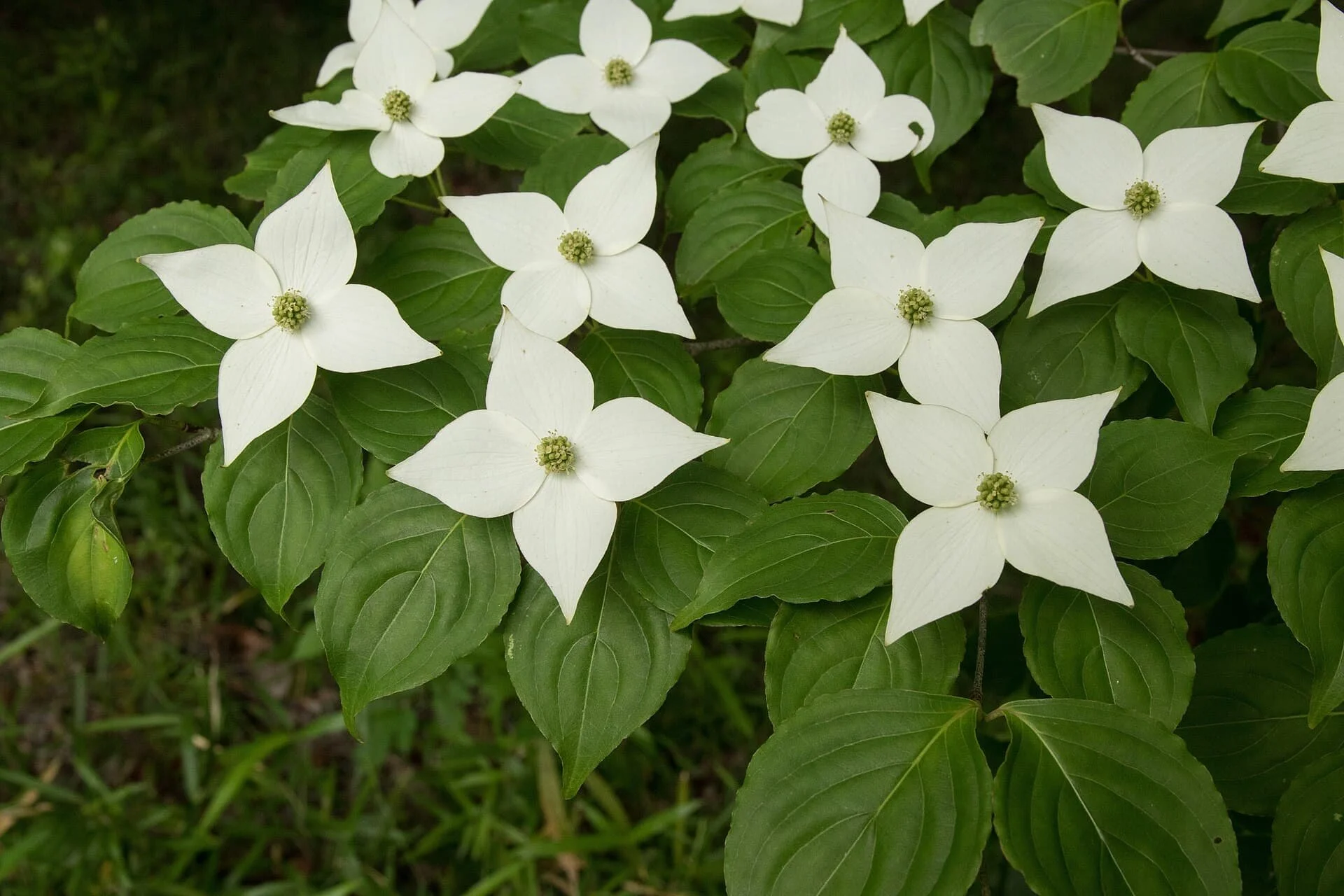
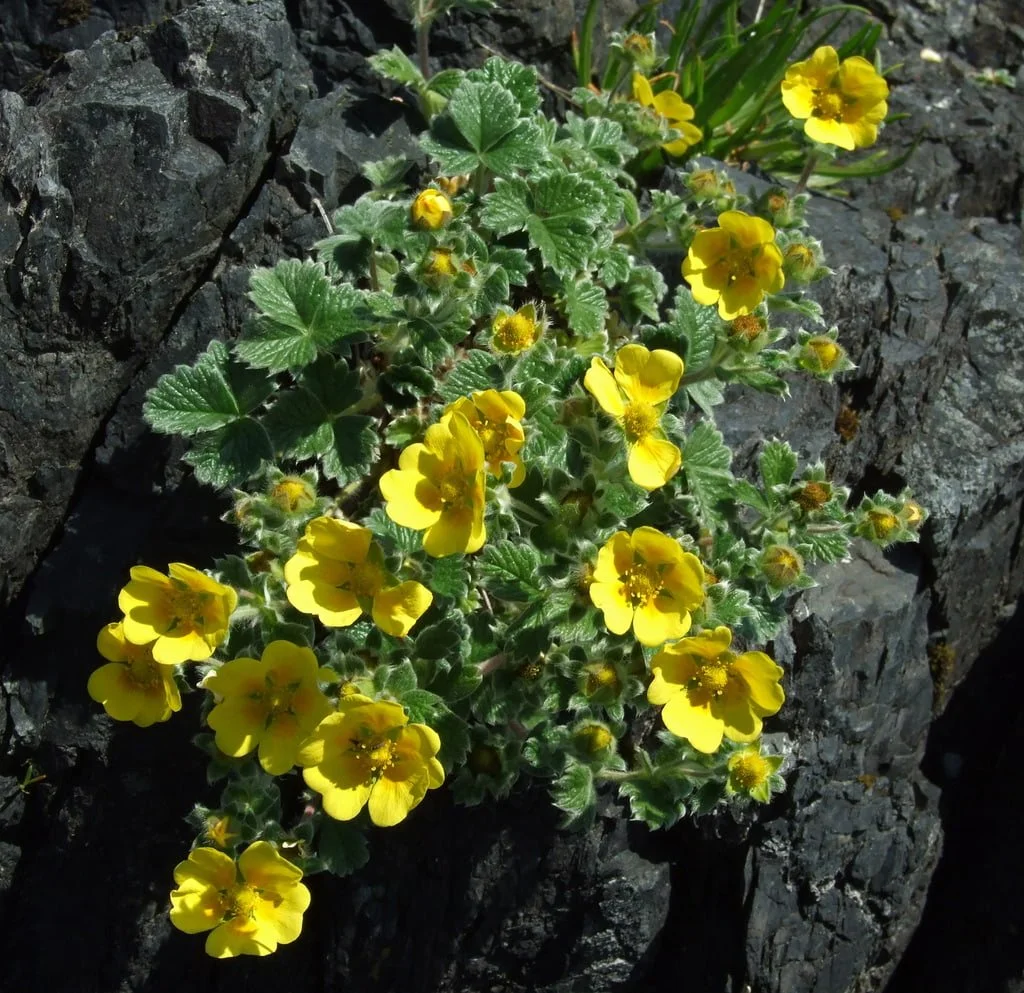
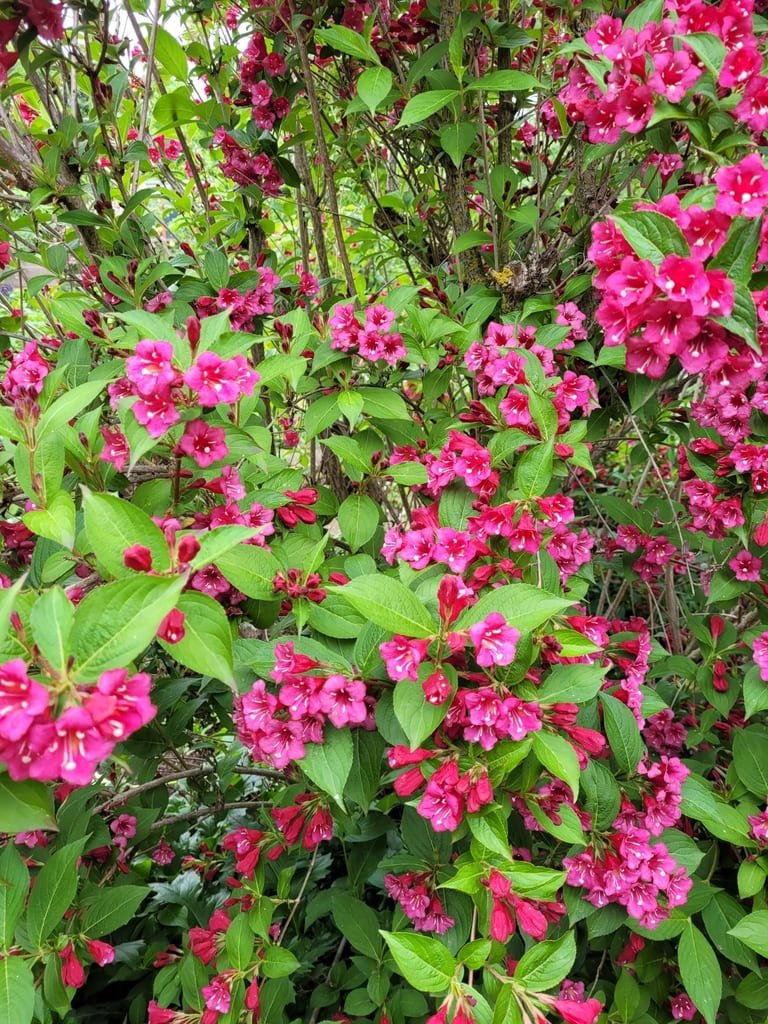
Heading into the summer months, we begin to see a greater variety of vegetation including trees, shrubs, and other native plants. Red Oak, Basswood, Honey Locust, and Silver Maple are a few common Deciduous species native to Southern Ontario that are in bloom. Check out the amazing planting resources put together by The Society of Ontario Nut Growers (SONG) and Local Enhancement and Appreciation of Forests (LEAF) to learn about some best practices for tree and shrub care you can implement in your own garden or community. There are also many advantages to incorporating non-ornamental plants into your garden. Native shrubs provide pollen and nectar for pollinators, as well as insects and berries for songbirds. They also help to connect habitats that have been fragmented with urbanization.
Wildflowers
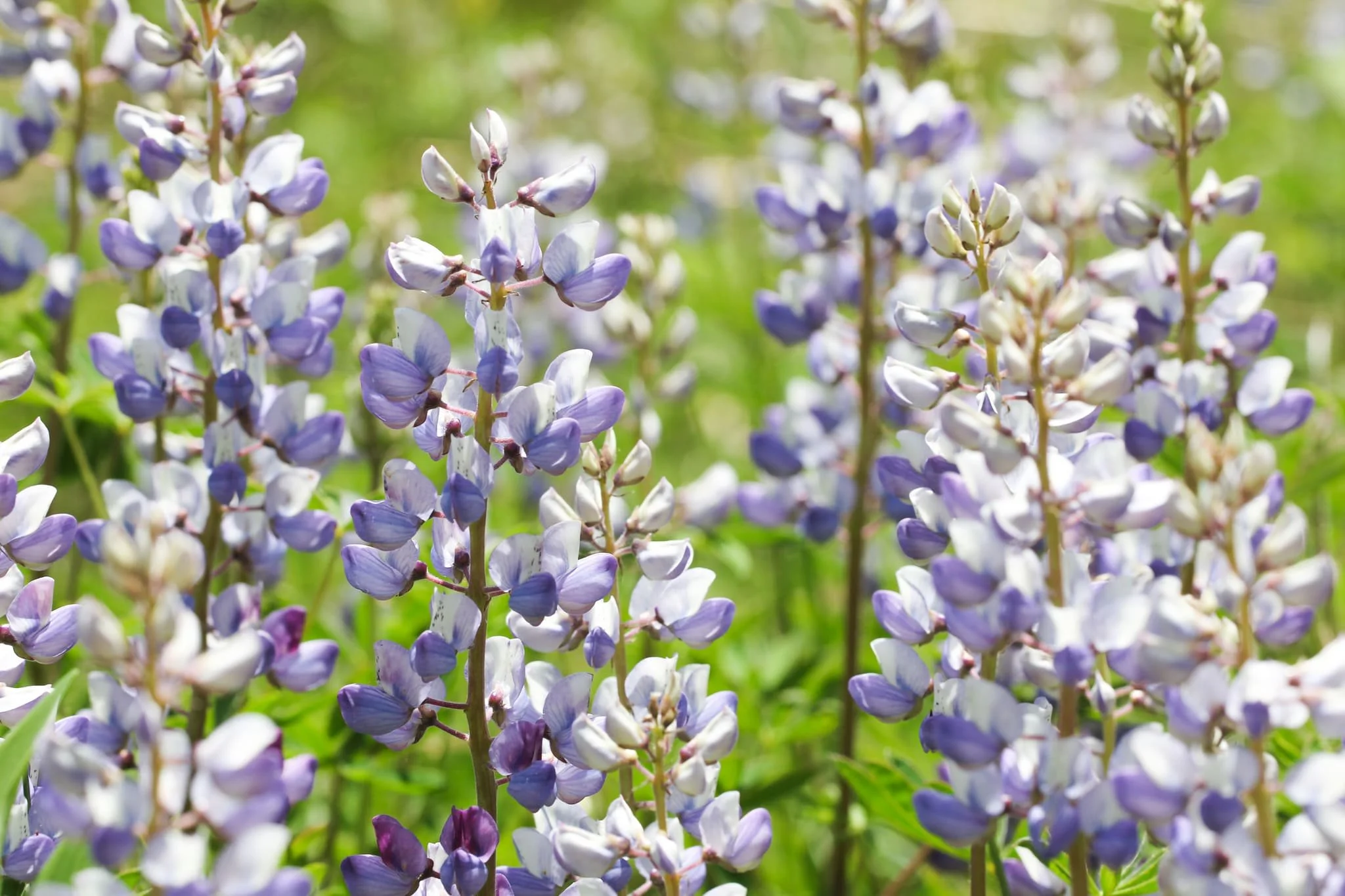

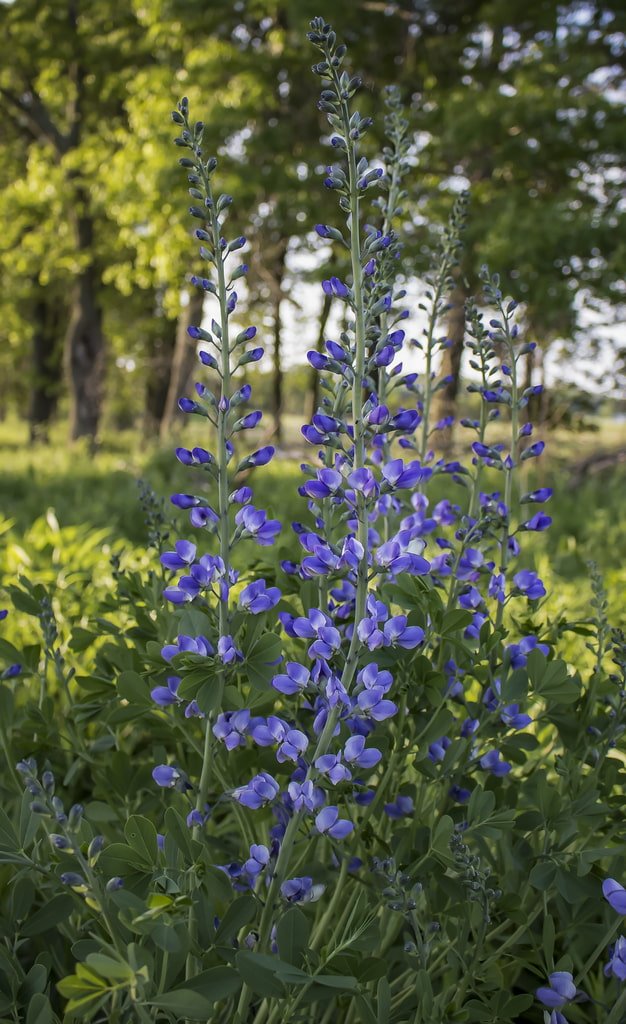
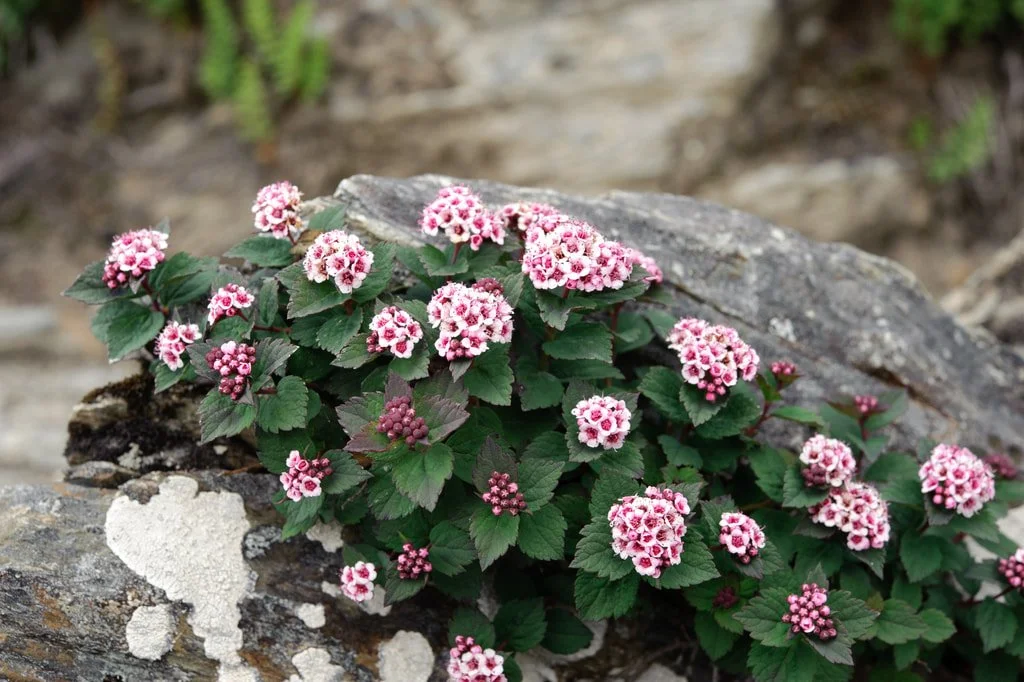
If you take a stroll through High Park in Toronto in June, you might be lucky enough to spot some Wild Lupin, Rockrose, or New Jersey Tea. In addition, wildflowers such as the Blue Flag Iris and White Water Lily can be spotted near wetlands. Towards the end of the month, we notice other native plants in bloom, including Ornamental Onions, Sages, and Blue Wild Indigo.
For all the gardeners, June is a great month to plant native seedlings, before it gets too hot! Be sure to spread a layer of organic material over the soil after planting – in natural ecosystems, you rarely see the soil! Grass clippings or a layer of leaves works just as well as mulch from a gardening center, and is a great way of repurposing organic material you might already have lying around!
Fungi
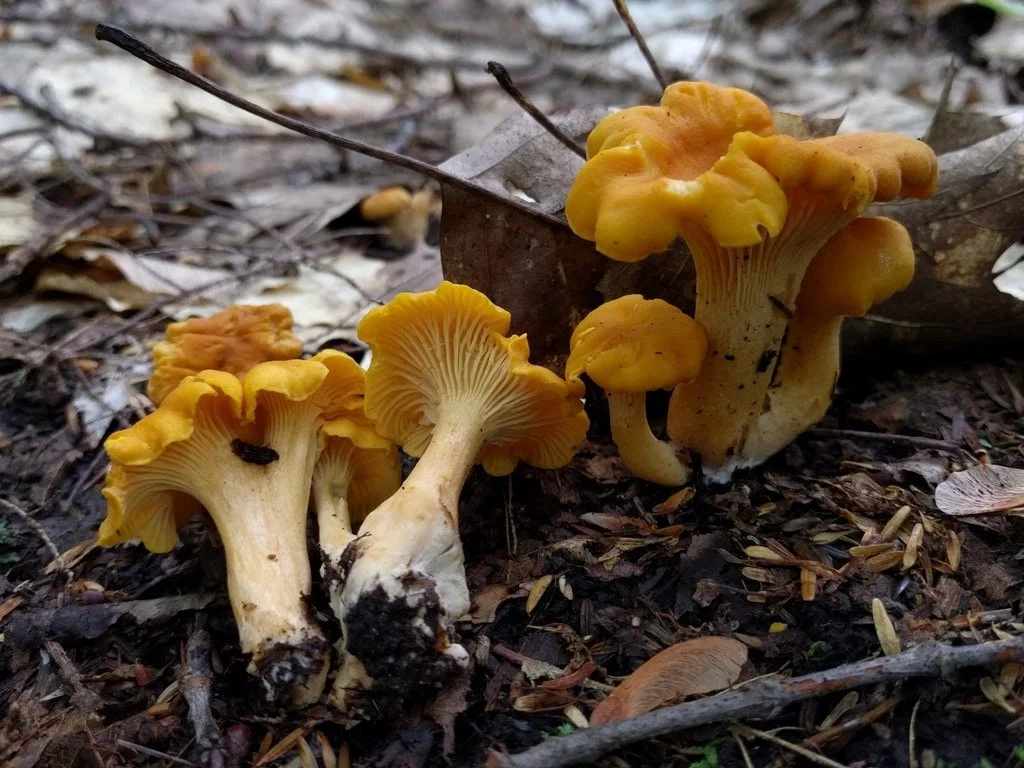
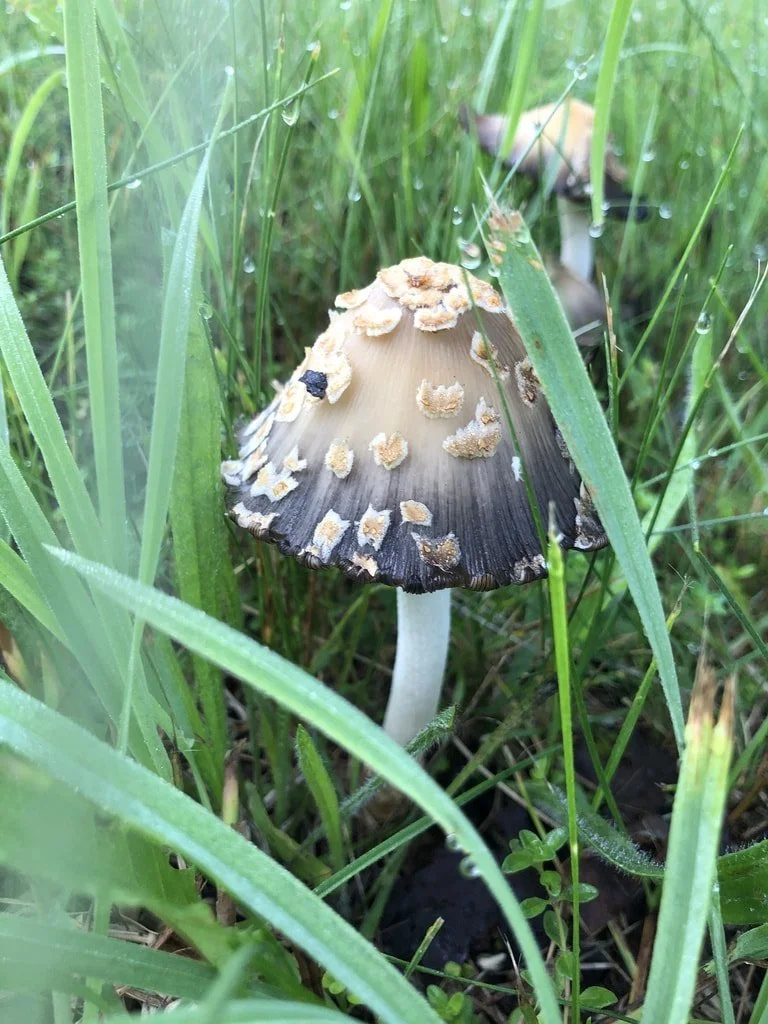
While June marks the end of the growing season for Morels, a commonly foraged mushroom, this month is also when summer mushrooms begin to appear! Mushrooms of the Agaricus and Coprinoid (or inky cap) families, as well as Yellow Chantarelles start to emerge in mid-late June, and become more prolific as the summer goes on. Mushrooms are 90% water, so moist areas are where you're most likely to find mushrooms. You may also have a better chance of seeing new mushrooms emerging shortly after a significant rainfall. If you're interested in learning more about mushrooms, check out the Mycological Society of Toronto website for resources!
Insects and Arthropods
This time of year, if you’re camping or cottaging, you’re likely to encounter biting insects like mosquitos, black flies, deer flies, or horse flies. Although these creatures can be pretty pesky, they nevertheless play an important role in their ecosystems. Adults provide food for amphibians, reptiles, birds, and mammals, like bats. These bugs also begin their lives in aquatic ecosystems, so their larvae, especially that of mosquitoes, provide an important source of food for fish! These insects are also pollinators. Although females use the proteins in blood to support their eggs, the primary food source for these organisms is plant nectar. As they travel from plant to plant, they transport pollen with them.
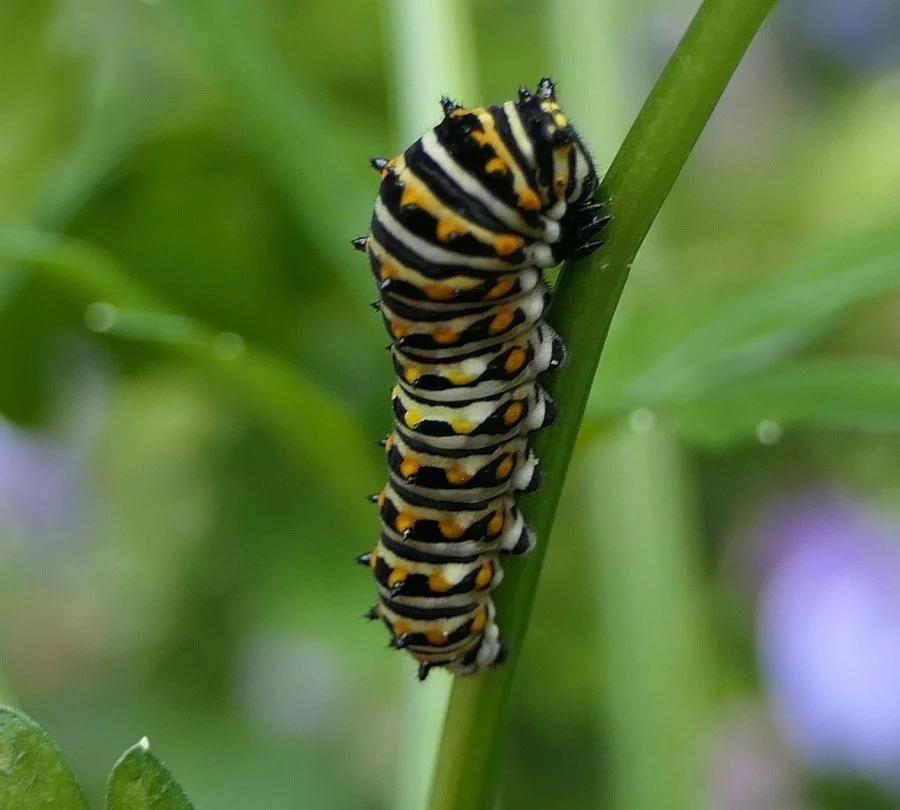
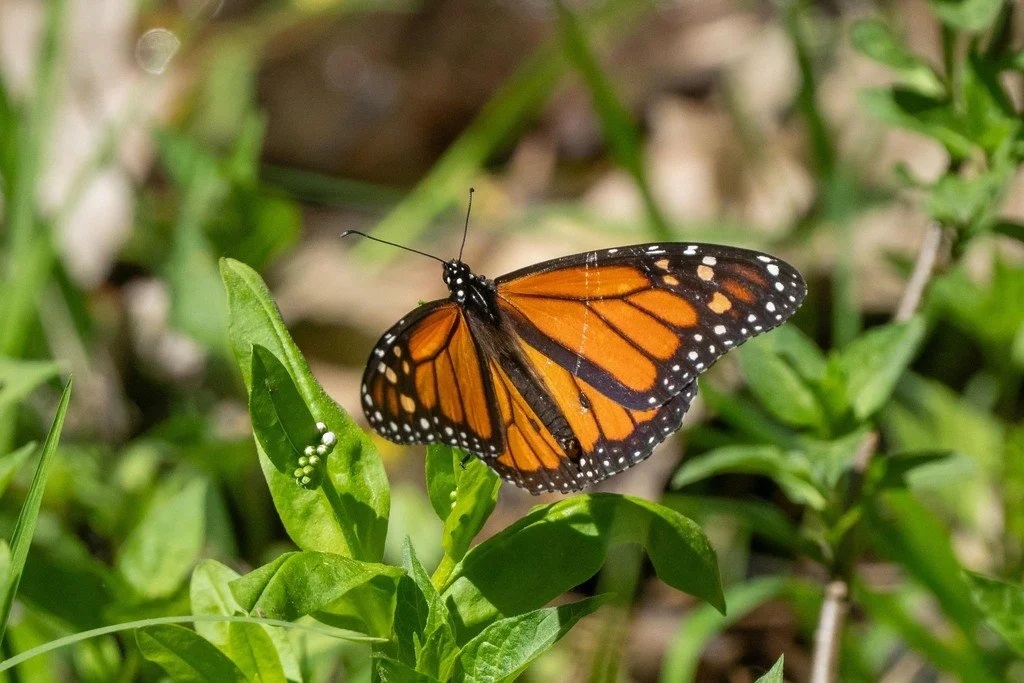
In Ontario, there are more than 100 species of butterfly. One of the most iconic is the Monarch Butterfly, with their bright orange and black colouring. Monarchs, like many other species, migrate between Canada and Mexico, and this time of year is when we get to enjoy their beauty! Milkweed, the primary food of adult monarchs, is almost in bloom in the GTA. The Red Admiral butterfly and Eastern Tiger Swallowtail are also common species that you may see around. The large, green caterpillars of the Eastern Black Swallowtail love to eat plants in the parsley family (keep an eye out if you grow parsley in your garden, almost all of mine was eaten by caterpillars last year). While some butterflies, like Monarchs and Red Admirals, migrate, others overwinter here. Eastern Tiger Swallowtails overwinter as chrysalides, emerging as adults in the spring. Others, like Mourning Cloaks, overwinter as adults in leaf litter. Thus, a great way to support butterflies (and lots of other organisms) is to leave autumn leaves in place rather than raking them! This time of year, you can help support butterflies and other pollinators by planting native plants in your garden and by not spraying pesticides on your lawn.
Upcoming Events in June!
June 15 & 22 - Conservation Youth Corps Garden Maintenance
For high school students. Opportunity to gain volunteer hours
June 16, 17, 18 - Library talks at Taylor Memorial, Queen/Saulter, and Mount Pleasant Libraries
Free talks on invasive species, supporting biodiversity, and urban ecology
June 18 - Sustainable Balcony Gardening with TRCA
Paid workshop with Toronto Botanic Garden
June 20 - Indigenous Arts Festival at Biidaasige Park
June 21 - Community Environment Day at Queen’s Park
Drop off electronic and hazardous waste, and household items for donation. Pick up compost for your garden
June 21 - Learn to Fish at Biidaasige Park with TRCA
Free workshop to learn about sustainable fishing. Fishing license not needed to participate. Registration opens 2 weeks in advance
June 23 - Befriending Bees and Butterflies with TRCA
Free, family oriented workshop. Advance registration required
June 27 - Celebrate the Humber with TRCA
Free festival with interactive activities
Ongoing - Bees exhibit at the ROM
We hope you continue to have an amazing time in the month of June and we look forward to seeing you soon for our July blog post!
The EcoSpark Team
Your monthly observations contribute essential data for understanding Toronto's urban biodiversity patterns. Record your findings on iNaturalist to support ongoing research into phenology, species distributions, and ecosystem relationships within our urban environment. However, please be aware of human and wildlife safety at all times and explore natural areas responsibly with ethical wildlife photography.