
Cultivating BiodiverCity and Climate Resilience - May
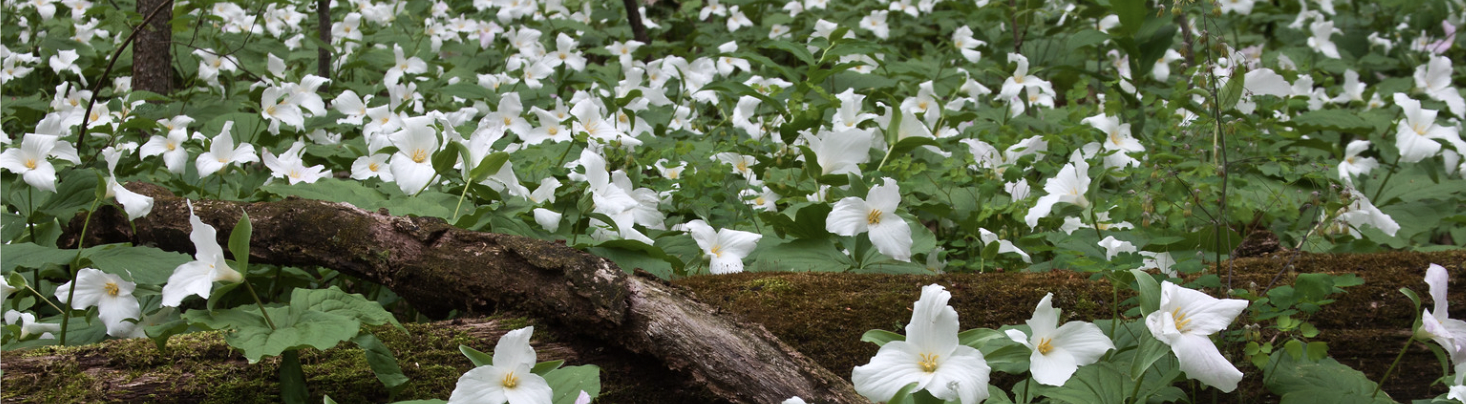
© Max Smith on Flickr
Written By: Felicia Mikrogianakis, Maryam Ali, Noa Gafni & Ciera Cleary
Dear EcoSpark community,
We hope you enjoyed your month of May! With the warming weather and blooming flowers, we had a lovely month busy with programming at schools and workplaces around the GTA. We also enjoyed the beginning of UNC’s Caterpillars Count! season (more on that later) and are looking forward to lots of time outdoors this summer. In keeping with tradition, read on with our May BiodiverCity Blog Post to learn more about what our plant, animal, and fungus neighbours were up to last month!
Birds
May is birdwatching month in Ontario!
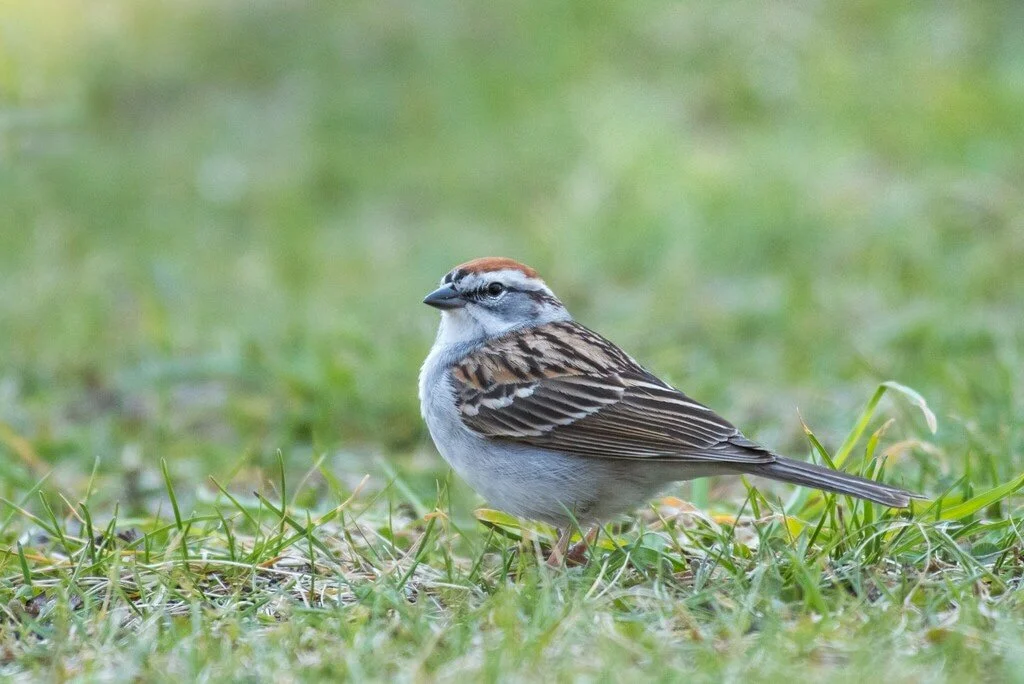
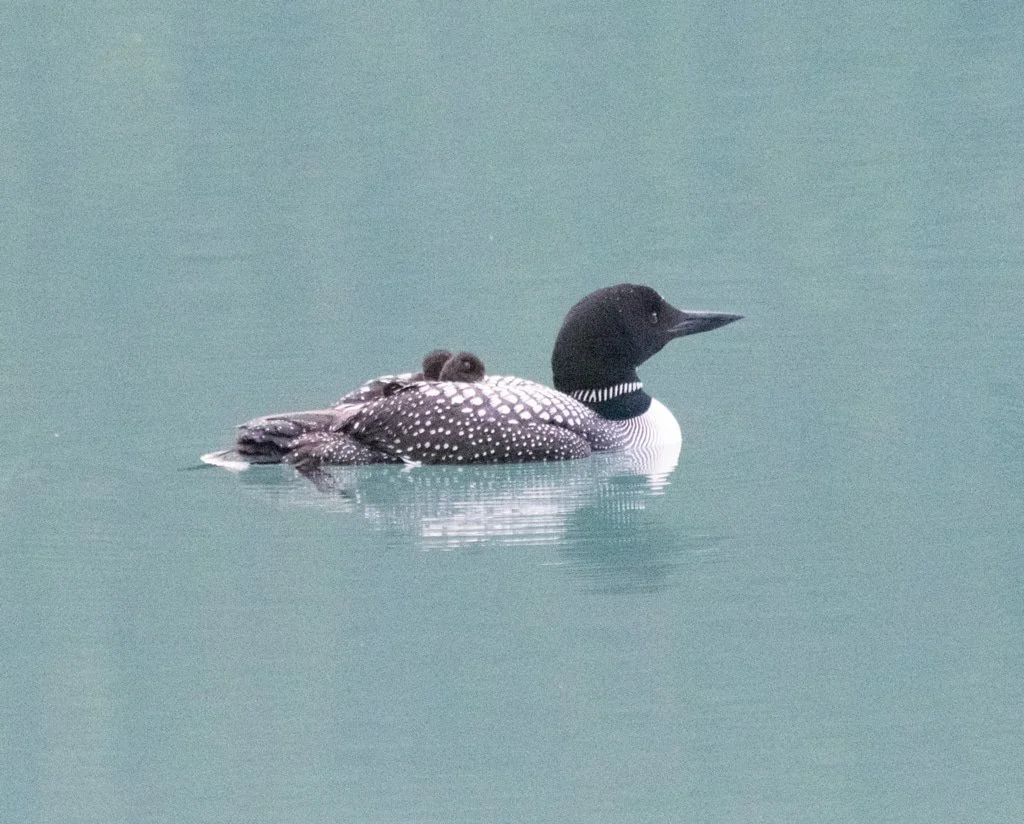
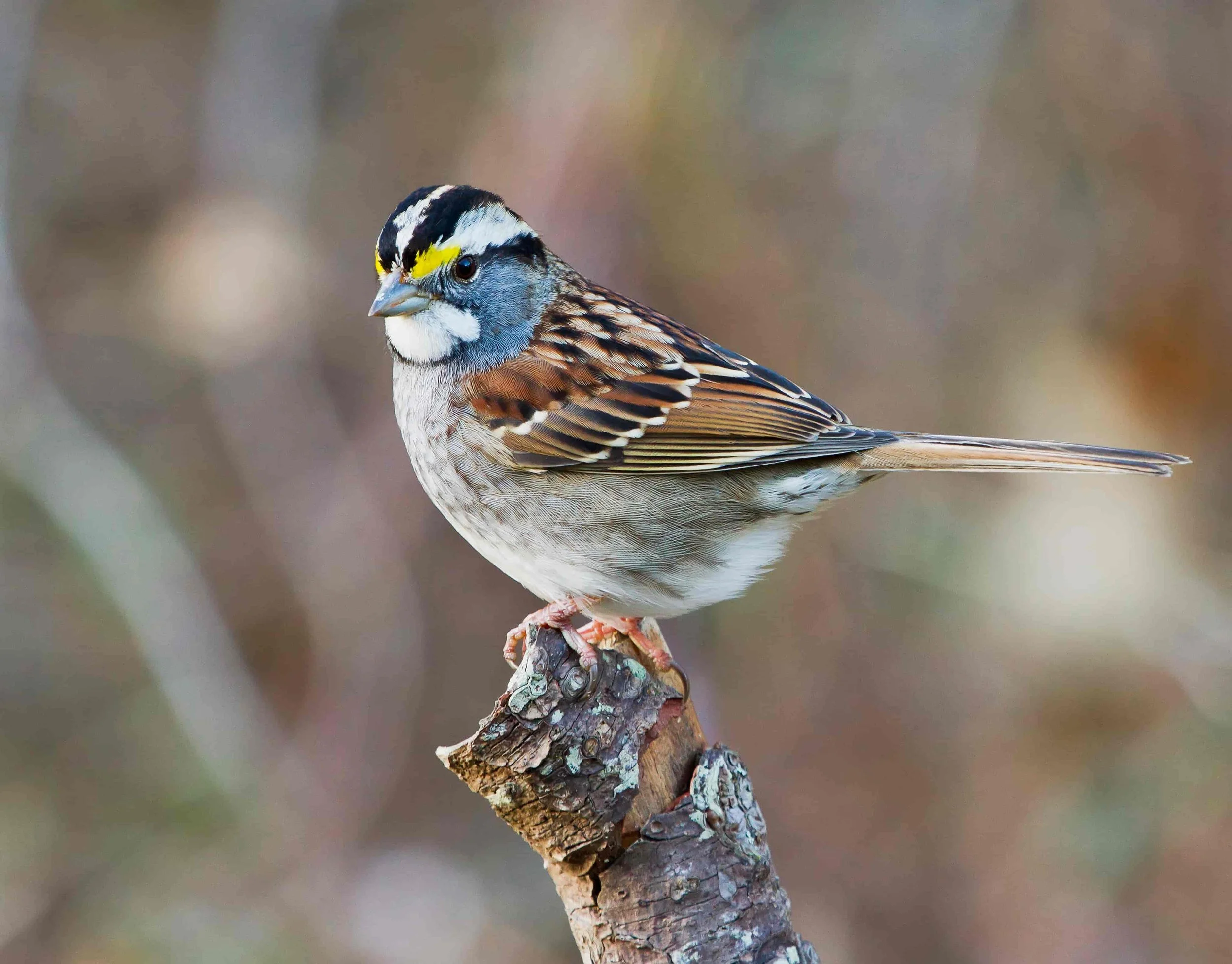
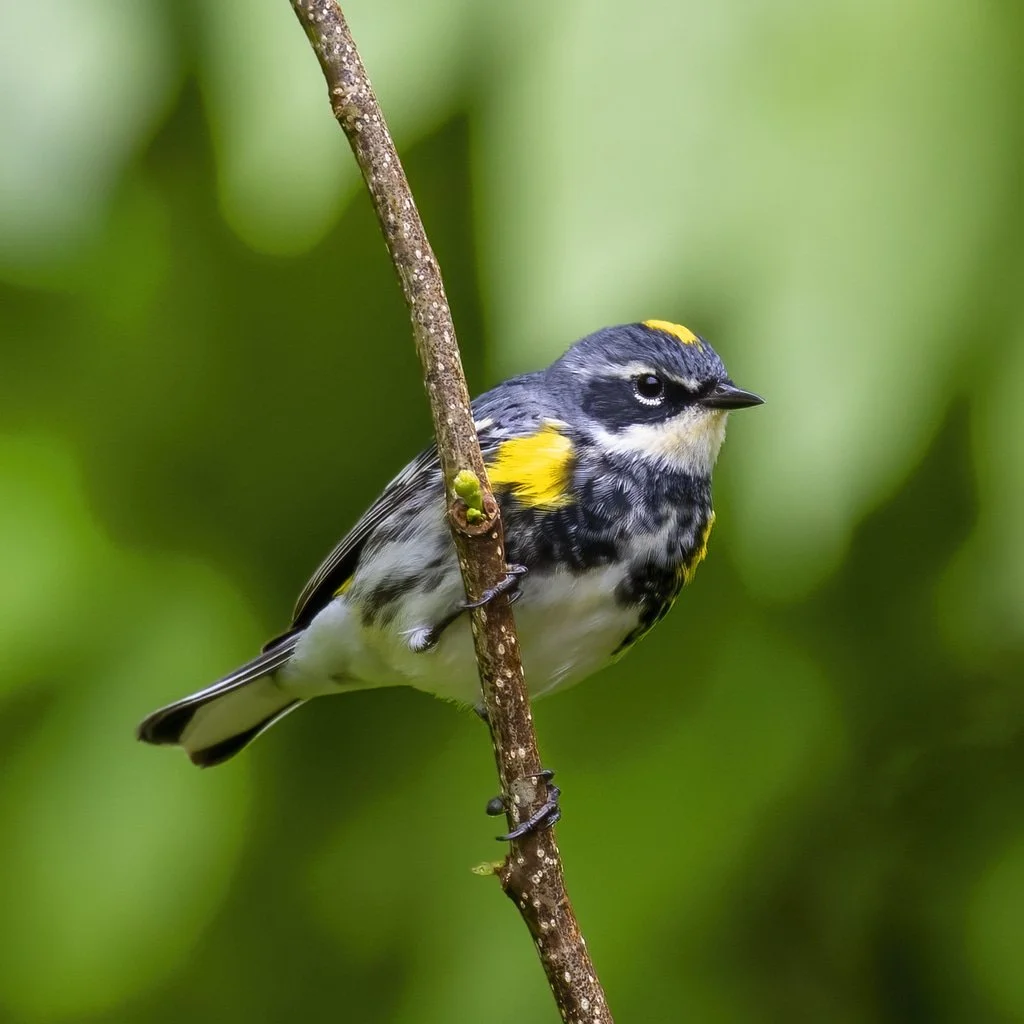
E-Bird’s Global Big Day – the largest one-day participatory science and birding event – usually takes place in early May (this year it was May 9th!), and the high levels of nesting and mating activity which occur throughout the month make May a great time to spot all of your favourite birds. As the weather warms up, more sparrows will be spotted out and about, including the Chipping Sparrow, the White-crowned Sparrow, the White-throated Sparrow, and the Swamp Sparrow. Be sure to look out for more Loons on the water, and if you see some yellow feathers in the trees, it might be a Yellow-rumped Warbler!
Mammals
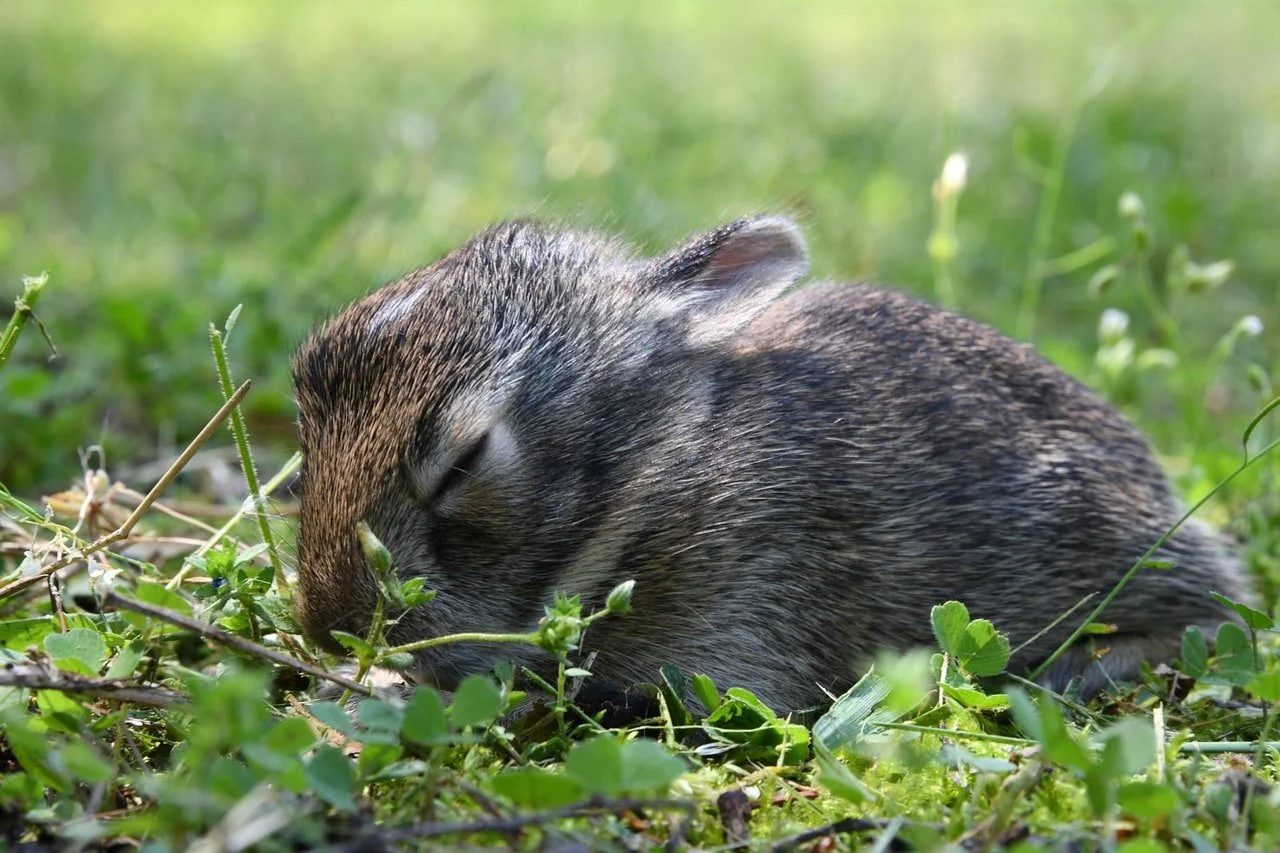
Spring marks the birthing season for many small mammals in Southern Ontario! Throughout May and June, we can expect the birth of baby skunks, which typically range from four to six kits per litter (Skedaddle). You might notice that some of these babies have been born right in your backyard! It’s good practice to do a check for baby rabbits or skunks in shallow depressions of grass where they often create a protective shelter for themselves with dry grass or leaves (AnimalKind). If you find a nest, it’s best to avoid moving the nest or mowing the area to prevent disturbing or harming the babies. If you have outdoor cats, consider keeping them indoors during this time to prevent predation.
Further, it’s always best for young wildlife to be raised by their mothers when possible. You might see a young animal by itself and worry. However, oftentimes the mother is just out in search of food for her kits. In cases where you suspect the baby to be sick, injured, or alone for more than 24 hours, you may want to call a local wildlife rehabilitation centre for guidance.
Reptiles & Amphibians
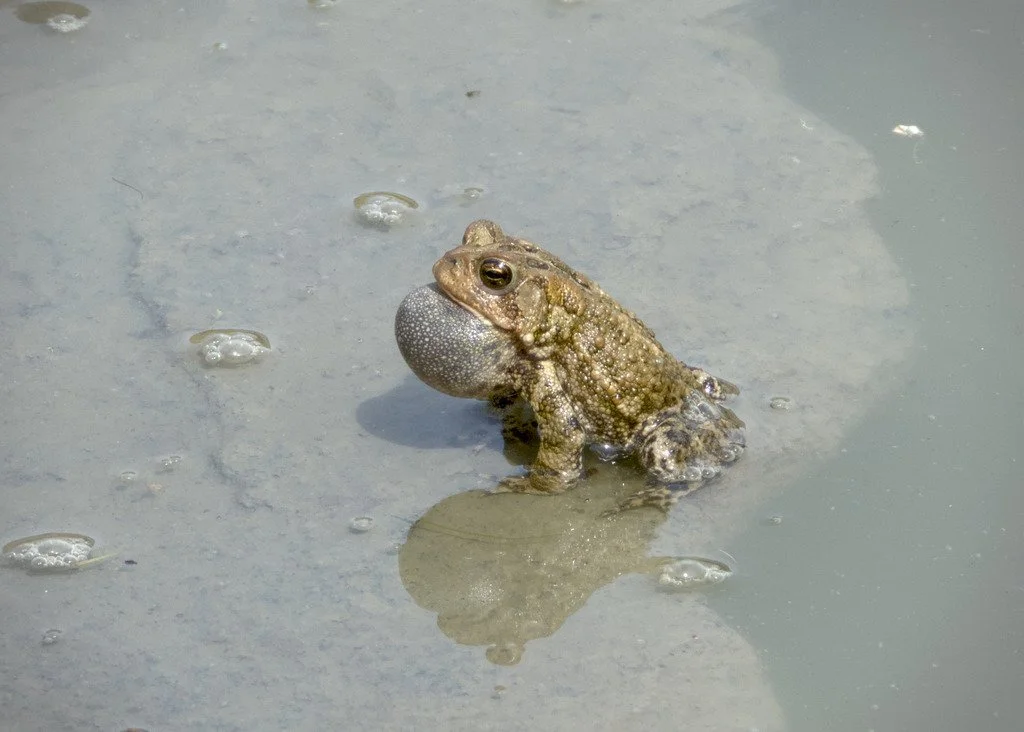
As spring arrives and organisms begin to reappear across Ontario, it is easy to overlook the ones we often have to look down to find - our cold-blooded friends! May is something of a transitional period in which later breeding amphibians like Green Frogs become more common in wetlands, whereas early breeders like Western Chorus Frogs begin to decline in activity (and sound!). Speaking of sound, as the breeding season continues, frogs and toads — much like birds — produce distinct calls, trills, and vocalizations that can often be used to identify them without even seeing them. If you have spent time near High Park in the spring, the American Toad trills are probably already familiar to you, even if you have never actually seen one. High Park is also home to three other frog species including the Green Frog, Bullfrog, and Northern Leopard Frog, along with three species of turtle — the Midland Painted turtle, the non-native Red-Eared Slider, and the Common Snapping Turtle! They can all be found along the shorelines or atop logs in Grenadier Pond.
In terms of location, reptiles and amphibians are ectothermic or cold-blooded, meaning they rely on their surroundings to regulate their internal temperature. Due to this, they are often found at the intersection of two ecosystems, such as the edge between forests and wetlands. These environments provide important resources during the late spring period for breeding, basking (snakes!), shelter, and feeding. However, according to Ontario Nature, amphibians experience especially high road mortality in April and May, as they cross roads and move between habitats to breed. If you notice a large number of deaths in one area, there are local wildlife and conservation resources you can call for help.

Trees & Shrubs
Though not native to Canada, one can’t talk about trees in May without mentioning Toronto’s iconic cherry blossom trees, located in 17 different outdoor spaces around the city, including High Park, Trinity Bellwoods Park, and Queen’s Park! The first week of May often marks the end of these beautiful pink trees’ peak bloom, but it can vary from year to year. Check out High Park Nature Centre’s Sakura Cherry Blossom Watch for up-to-date information on each year’s bloom, and the City of Toronto’s website for more information on where to find them!
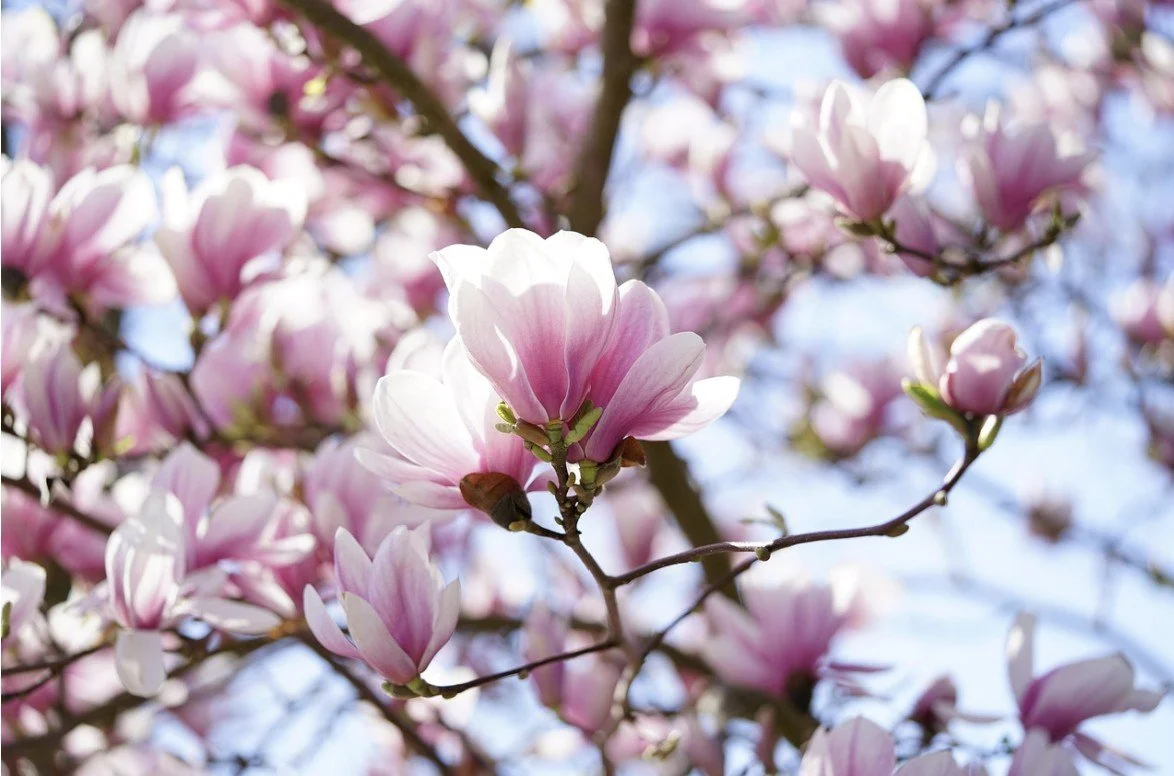
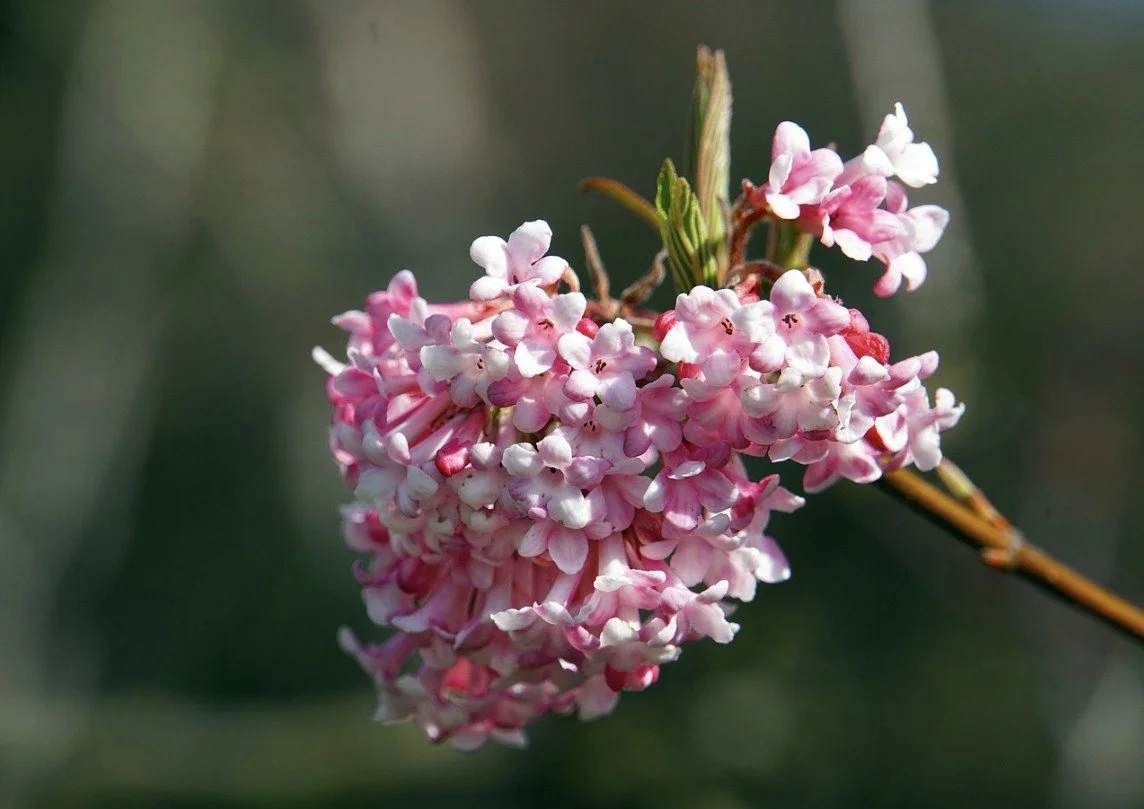
In addition to cherry blossoms, magnolias and viburnums also flower in May. And now that the soil has warmed up, it’s a great time to plant deciduous trees! Planting in spring allows root systems to develop into the ground before the next winter, which is essential for the longevity and health of the tree. Take care to ensure the tree is well watered going into the hotter summer months!
Wildflowers
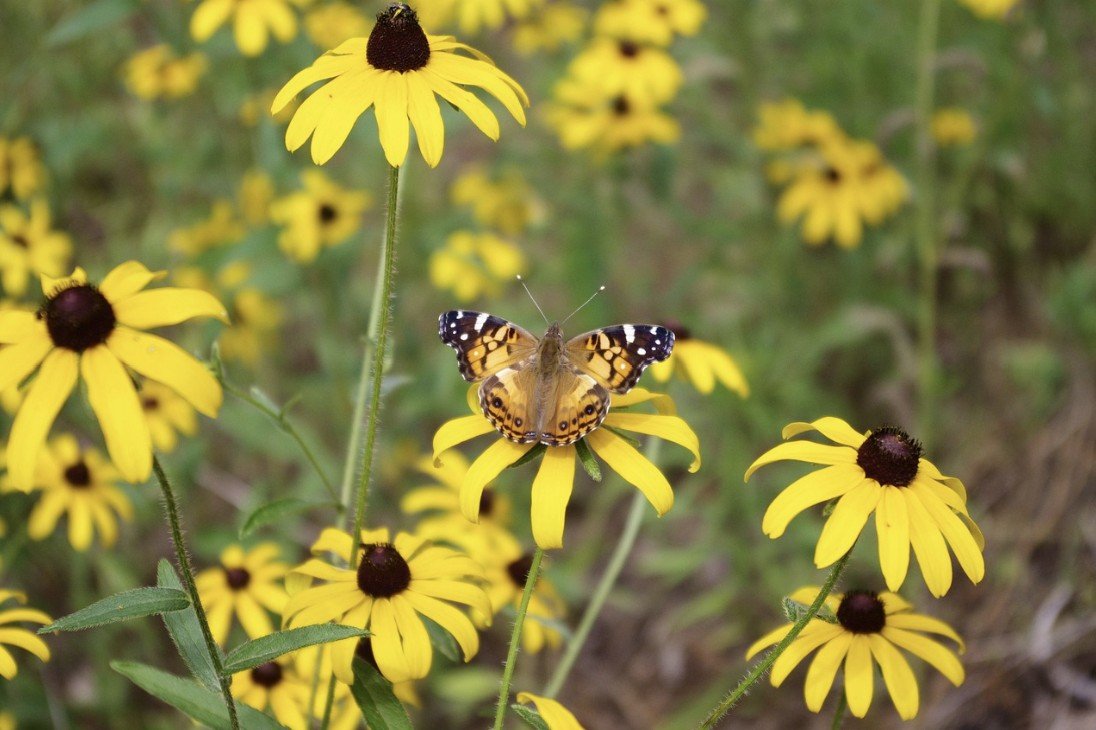
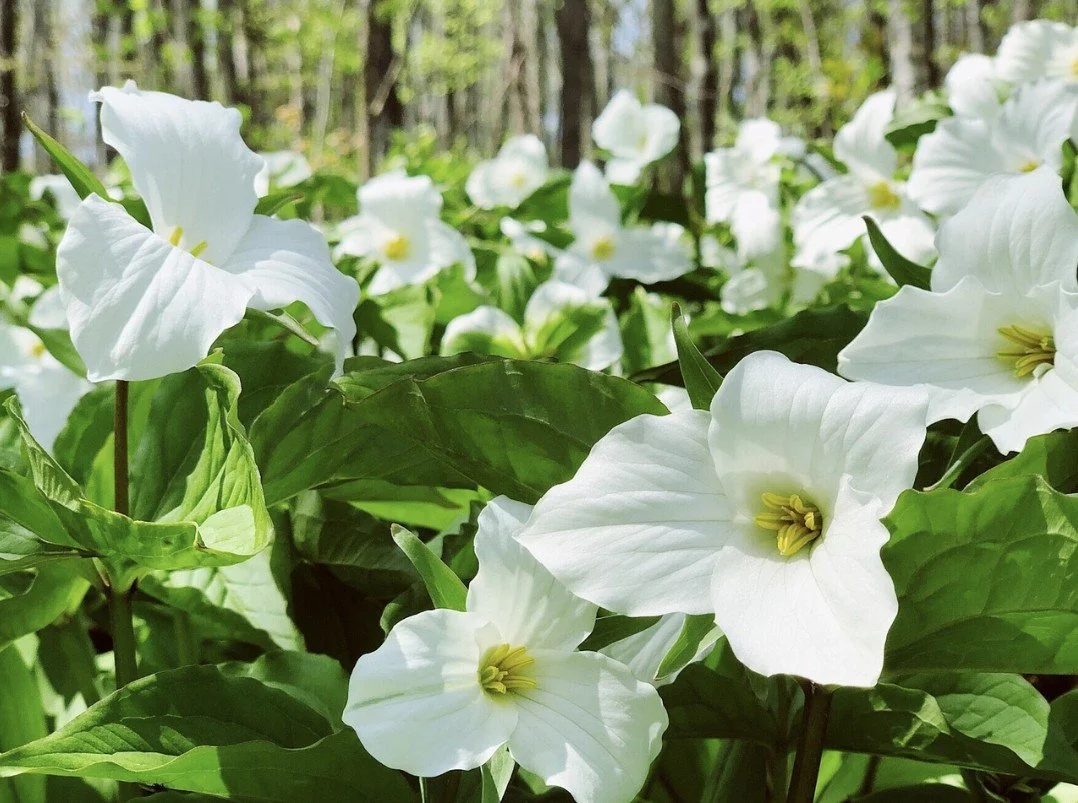
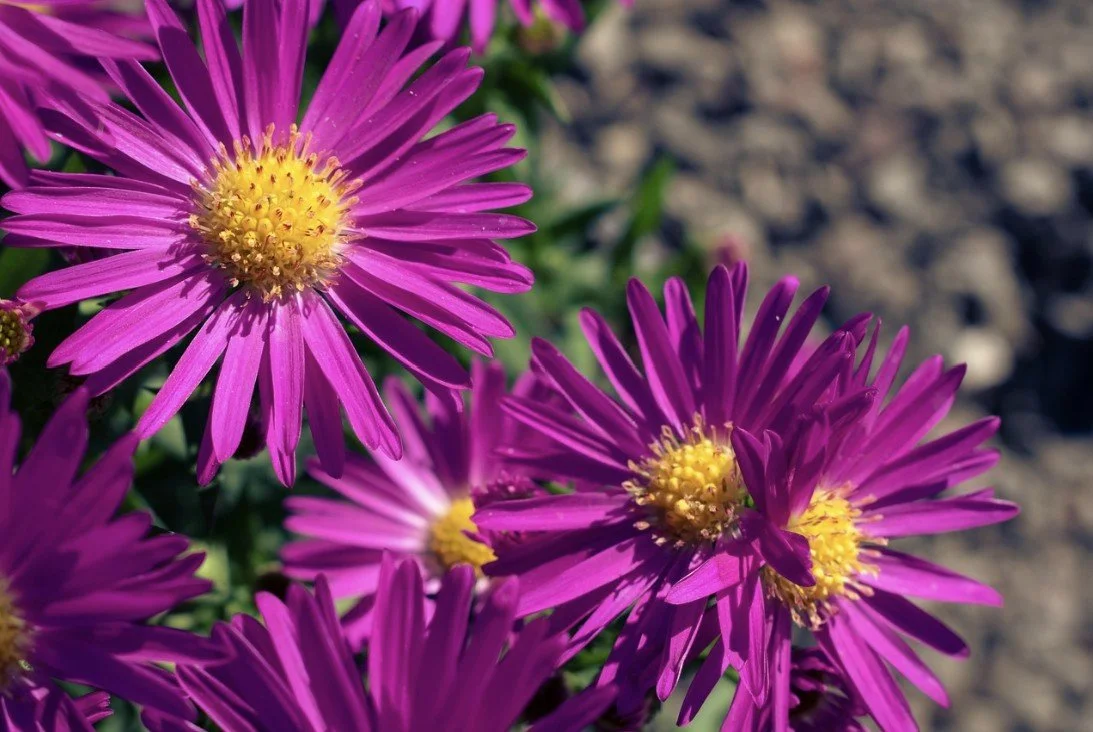
Gardening season is well underway this month! Now that the last frost is behind us and the weather is warmer, you might notice native plants starting to bloom. Some of the plants you might notice first are the Common Yarrow, Black-eyed Susan, Flat-topped White Aster, New England Aster, and Purple-stemmed Aster. In forested areas around Southern Ontario, ephemeral wildflowers such as Trilliums, Bloodroot, and Jack-in-the-Pulpits are also prevalent this time of year. These wildflowers only emerge for a few weeks as the weather is still warming up and the trees haven’t sprouted yet, so take advantage of their beauty while you can! The trilliums are especially easy to spot on the forest floor with their distinct three-petaled flowers, which may be white or red. There are many free tools, such as iNaturalist and Seek, available for download that can help with plant identification in the field. In the garden, consider planting pollinator-friendly species to support your local biodiversity and reduce the need for water and fertilizer inputs!
Fungi
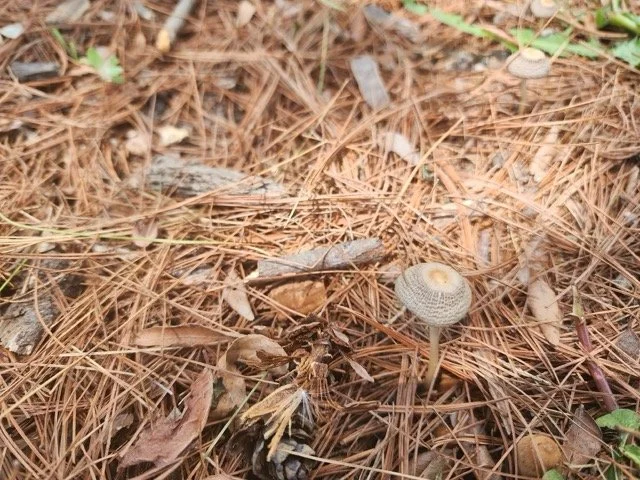
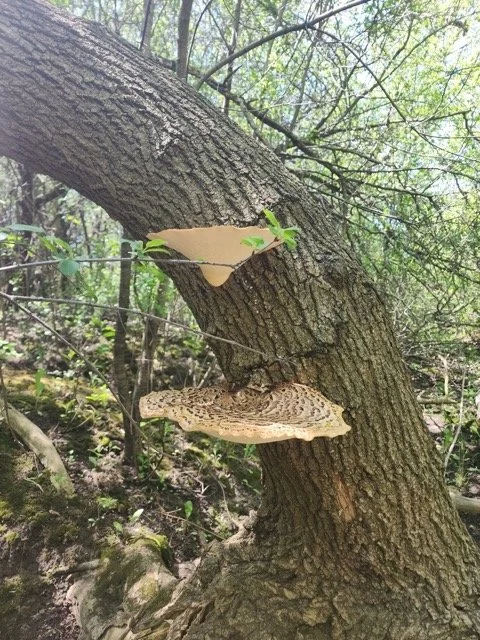
The end of Spring is an exciting time for mycologists and other mushroom hunters, as this is when mushrooms really begin to appear! Along with morels, which hit their peak in May, this time of year is also when other oft-foraged mushrooms like Dryad’s Saddle and Turkey Tail emerge. If you’re interested in learning about foraging, make sure you learn from trained foragers, as many edible mushrooms have poisonous lookalikes. Also take care to be aware of where foraging is and is not permitted. Most of the earliest fruiting fungi are saprophytic, meaning they feed on decaying plant matter. That means you’re likely to find lots of lovely mushrooms by looking at rotting logs and trees. Now that we’re moving later into the Spring, mycorrhizal mushrooms, which mainly grow straight from the ground, can also be found. Mower’s Mushrooms, which are commonly found on lawns, are a great example.

Insects and Arthropods
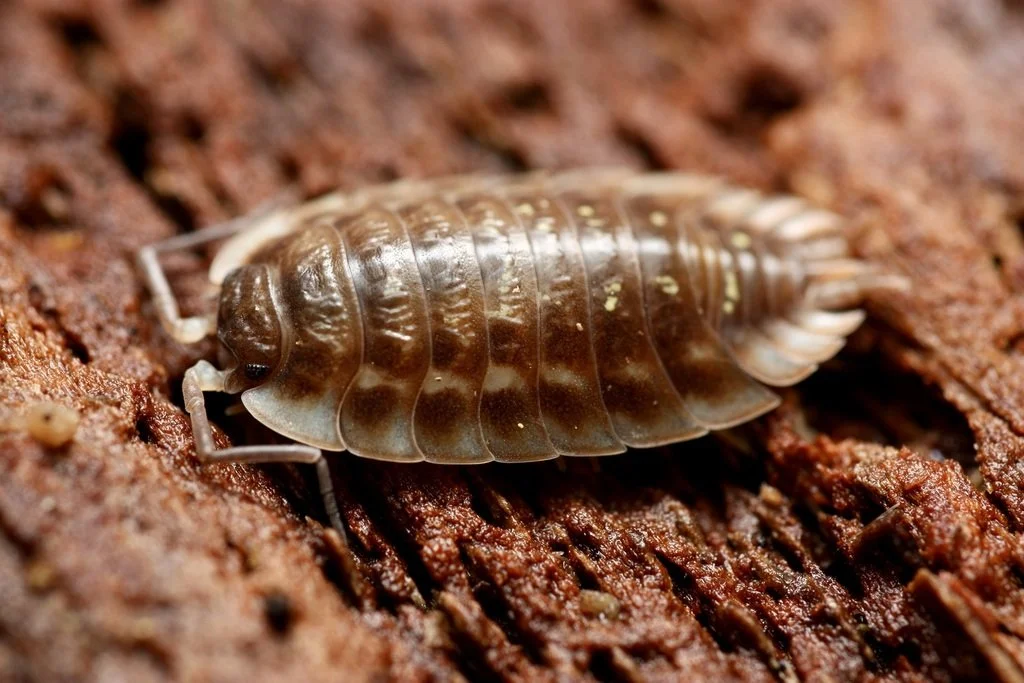
May marked the beginning of Caterpillars Count! season in Southern Ontario, which continues throughout the summer months. Caterpillars Count! is an accessible, fun citizen science project hosted by the University of North Carolina, intended to support our understanding of the phenology, or seasonal variation, of caterpillars and other arthropods. By studying phenology, researchers can also better understand how different arthropod species are impacted by climate change. Here at EcoSpark, we have several lovely people contributing to Caterpillars Count!, including our current high school co-op student Esme, and Surveyor, who is an EcoSpark Volunteer and an Environmental Studies student at York University. We also help establish Caterpillar Count! participation at schools through our School Watch programming!
Tick Safety
It wouldn’t be the start of summer without a reminder on tick safety. As a result of climate change, ticks are becoming more and more prevalent, and can now be found across Ontario. In May 2026, there were 5655 reports of ticks (via eTick) in Ontario, compared to 2899 in May 2025. Many species of ticks, but especially black-legged ticks (also known as deer ticks), are known to carry diseases, including Lyme disease. While wildlife such as deer and moose are most impacted by increased tick populations, they also pose risks to human health. When enjoying activities like hiking, camping, gardening, birding, and biking, especially in wooded areas or areas with tall grasses, there are several precautions you can take to prevent tick bites. Be sure to wear close-toed shoes and light coloured long-sleeved shirts and pants, tuck your pants into your socks and tuck your shirt into your pants. You can also use insect repellent containing DEET or icaridin on your skin and/or clothing. That said, insecticides have some risks associated with them as well, so be sure to consider whether this option is right for you and always be sure to follow the manufacturer’s instructions for safe use. Before going back inside, check any exposed skin, as well as your clothes, shoes, gear, and pets for ticks. When you arrive home, do a full-body tick check, shower as soon as possible to remove any unattached ticks that may be on your skin, and put your clothes in the dryer on high heat for 10-minutes to kill any ticks that may have hitched a ride. If you find a tick attached to your skin, be sure to remove it following the proper protocol. Finding and removing attached ticks as soon as possible is key to disease prevention.
In true citizen science fashion, if you find a tick, you can take photos and report your finding to eTick.ca, which is hosted by Bishop’s University in Québec. The professionals behind the platform will identify the tick, so that you can be aware of potential disease risk, and will use the data you submit to monitor the populations and spread of ticks in Canada. You can also use TickTOOL, made in collaboration between Bishop’s University and the University of Montréal to learn more about ticks and tick bite prevention.
We hope you had a great month of May and we look forward to seeing you again soon for our June blog post!
The EcoSpark Team
Your monthly observations contribute essential data for understanding Toronto's urban biodiversity patterns. Record your findings on iNaturalist to support ongoing research into phenology, species distributions, and ecosystem relationships within our urban environment. However, please be aware of human and wildlife safety at all times and explore natural areas responsibly with ethical wildlife photography.
Primary Sources (in order of use):
Pearson, M. (1 May 2026). May is birdwatching month in Ontario. Here are the best places to see colourful warblers, herons and egrets. InsideHalton. Accessed June 10, 2026 from: https://www.insidehalton.com/things-to-do/ontario-travel-birdwatching/article_5ff9ab03-2aaa-58f1-b7f5-215108cadb53.html
Dowd, B. (26 March 2021). Common Wildlife Activity During Spring. Skedaddle Humane Wildlife Control. Retrieved June 9, 2026 from: https://www.skedaddlewildlife.com/blog/wildlife-activity-during-spring/
AnimalKind. (n.d.). Wildlife Calendar: Your monthly guide to coexisting with wild animals. Retrieved June 9, 2026 from: https://animalkind.ca/wildlife-coexisting-calendar/
Ontario Nature. (24 November 2023). Ontario Reptile and Amphibian Atlas. Retrieved June 10, 2026 from: https://storymaps.arcgis.com/stories/7884384ac08d4c17b06c4165eaa1ff21
High Park Nature Centre. (n.d.). Frogs and Toads of Toronto’s High Park. Retrieved June 10, 2026 from: https://highparknaturecentre.com/frogs-toads-high-park/
Ontario Nature. (n.d.). Tips for Finding Reptiles and Amphibians. Retrieved June 10, 2026 from: https://ontarionature.org/programs/community-science/reptile-amphibian-atlas/tips/
Ontario Nature. (n.d.). American Toad. Retrieved June 10, 2026 from: https://ontarionature.org/programs/community-science/reptile-amphibian-atlas/american-toad/
D’Silva, A. (1 May 2024). Ontario Native Plant Growing Guide for May. Swallowtail Native Plants. Retrieved June 10, 2026 from: https://www.swallowtailnativeplants.ca/growing-guides/native-plant-growing-guide-for-may/
Toronto Botanical Garden. (n.d.). What’s in Bloom in April & May: Spring Ephemerals. Retrieved June 10, 2026 from: https://torontobotanicalgarden.ca/virtual-gardening/whats-in-bloom/whats-in-bloom-in-april-may-spring-ephemerals/
Mushroom Stalkers. (1 August 2023). Spring Mushrooms (March, April, May). Retrieved June 9, 2026 from: https://www.mushroomstalkers.com/blog/how-to-find-mushrooms/spring-mushrooms-march-april-may/
Mycological Society of Toronto. (2022). Some Spring and Summer Mushrooms of the GTA. Retrieved June 9, 2026 from: https://www.myctor.org/documents/education/MST_Some_Spring_and_Summer_Mushrooms_of_the_GTA.pdf
Government of Ontario. (4 February 2026). Tick-borne Diseases. Retrieved May 27, 2026 from: https://www.ontario.ca/page/tick-borne-diseases
eTick. (n.d.). TickTool. Retrieved May 27, 2026 from: https://ticktool.etick.ca/
Health Canada. (24 January 2022). Infectious Diseases and Climate Change. Government of Canada. Retrieved May 27, 2026 from: https://www.canada.ca/en/health-canada/services/climate-change-health/infectious-diseases.html
Public Health Agency of Canada. (29 July 2025) How to Remove a Tick. Government of Canada. Retrieved May 27, 2026 from: https://www.canada.ca/en/public-health/services/diseases/ticks-tick-borne-diseases/remove-tick.html
eTick. (n.d.) Public Tick Map. Retrieved June 12 2026 from: https://etick.ca/etickapp/en/ticks/public/map
Barberstock, R. K. (15 December 2024). Ticks as Environmental Indicators: Learning from Wildlife Movement and Traditional Knowledge. Retrieved June 9 2026 from: https://indigenousclimatehub.ca/2024/12/ticks-as-environmental-indicators-learning-from-wildlife-movement-and-traditional-knowledge/