
History & Successes
Sparking Environmental Action Since 1996
Citizens’ Environment Watch was formed in 1996 by a number of prominent scientists, including Dr. Ursula Franklin, in response to provincial budget cuts to environmental monitoring. The organization was renamed EcoSpark in 2010. Since then, EcoSpark has been connecting people to their local environment through enjoyable, easy-to-access citizen science programs and activities. We’re working to give people the tools, knowledge and skills to become environmental stewards. The following is a brief summary of EcoSpark’s achievements to date.
2026
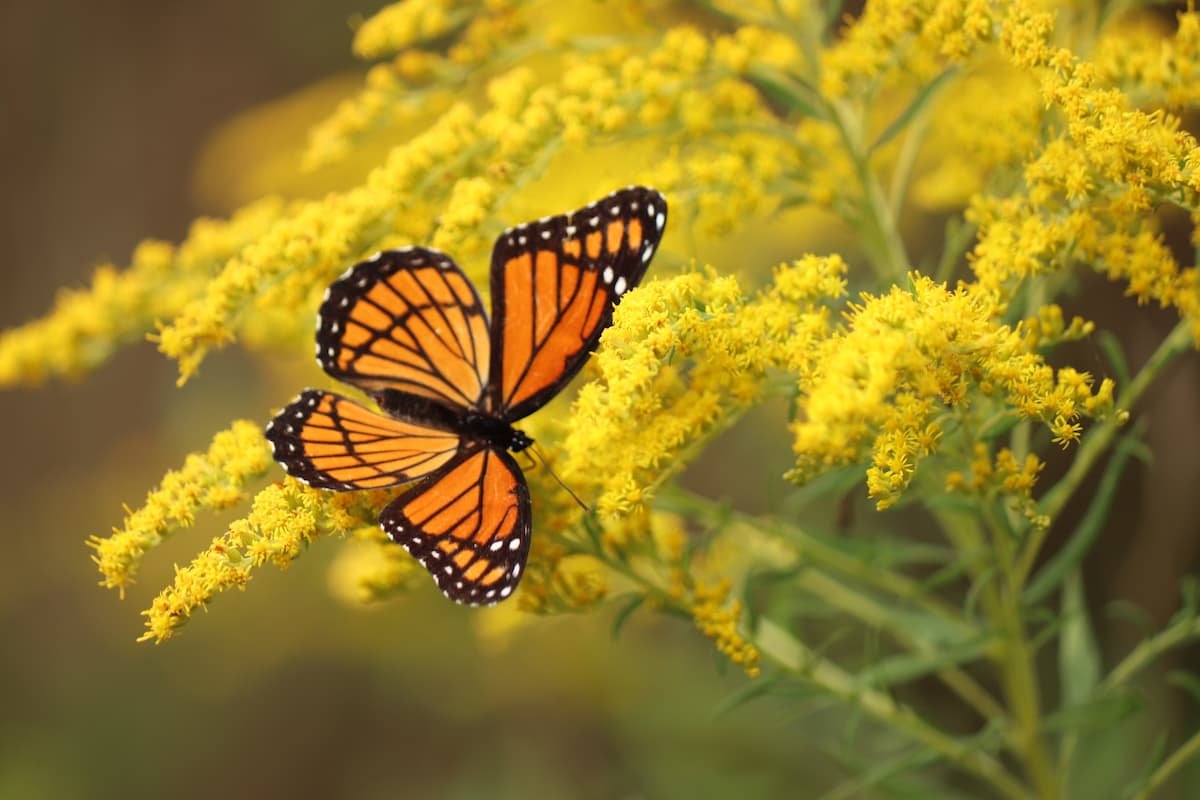
EcoSpark celebrates 30 years of citizen science since its initial spark. A 30th Anniversary Celebration, mapping project, commemorative lesson plans, and new partnerships mark the occasion. Past and present collaborators chart the course forward for inclusive environmental leadership and conservation.
School Watch and community environmental monitoring programs engage 5,000+ participants each year.
2020
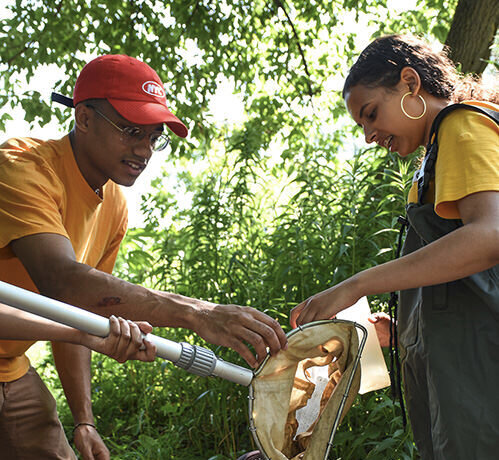
EcoSpark’s flagship program, Changing Currents, celebrated its 20 anniversary. 32,000 students, educators and community members have participated in Changing Currents stream studies, collecting physical, chemical and biological data from more than 20 Ontario watersheds and 230 monitoring sites. Results of the studies were contributed to the Ontario Benthic Biomonitoring Network (OBBN) database making EcoSpark one of their largest contributors.
2019
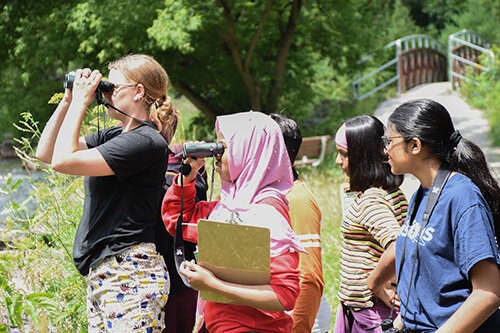
EcoSpark and Credit Valley Conservation successfully completed a three-year partnership engaging 6,500 students in the Peel Region. Students participated in 215 sessions, 180 Changing Currents stream studies, remediated over 4 hectares of land and planted 5,600 trees and shrubs.

2019
Ecospark produced the Managing Phragmites with Volunteers report, which presented the findings of a joint research project between EcoSpark, Lynn Short of Humber Arboretum and the City of Toronto Parks and Forestry staff and Community Stewardship Volunteers. The report outlined how cities can work with volunteers to manage one of Ontario’s worst invasive species.

2018
EcoSpark launched the School Watch and Park Watch programs and guides. These programs feature a diverse selection of interesting citizen science projects to engage students and community groups in monitoring activities. Participants connect with nearby nature while contributing to ecosystem health.

2017
EcoSpark launched its Five-Year Strategic Plan, building on the organization's strengths and achievements. The plan focused on a science-based systems approach to face-to-face environmental engagement for students and youth. The full plan is available here

2016
EcoSpark was named the 2016 recipient of the Robin Dennis Award by the Council of Outdoor Educators of Ontario (COEO). The award recognized Changing Currents for its outstanding contribution to the promotion and development of outdoor education in Ontario.

2015
Building on EcoSpark’s years of work in the Marvellous Moraine partnership, the organization took on a key stakeholder role in the 2015 Coordinated Land Use Planning Review of the Greenbelt and the Oak Ridges Moraine. EcoSpark launched the first Greenbelt Youth Charter, providing a voice for young people living on and near the Greenbelt. EcoSpark also joined the “bluebelt” campaign, working to expand the greenbelt by 1.5 million acres.

2015
EcoSpark launched the Nature Academy program, a professional development program training teachers in outdoor environmental education.

2013
EcoSpark successfully completed its Wattwize program, having reached nearly 13,500 elementary and high school students and teachers across the Greater Toronto Area. The program provided support for students to develop and implement energy conservation plans, as well as learn how to conduct energy audits at their schools.

2012
EcoSpark successfully completed the $3.6 million four-year Live Green Toronto Community Animation Program on behalf of the City of Toronto. Running from 2009 to 2012, the program reached 26,500 Toronto residents, worked directly with 450 groups initiating green projects, inspired 19,000 volunteer hours of community projects, and supported the identification and development of more than 80 funding proposals, securing $1,000,000 for green projects in Toronto.
2010-2011
Citizens’ Environment Watch, or CEW, is rebranded and EcoSpark is launched.
EcoSpark launched its new tagline: Discover. Act. Change. The new tagline reflected the transformative process participants experience when engaging in EcoSpark programs.

2010
CEW partnered with Toronto District School Board (TDSB) to deliver the Our Green Schools (OGS) program engaging students in key environmental issues at their schools. Working with TDSB elementary teachers, CEW created the Our Solar Future guide to help students explore solar energy issues. Working with five secondary schools, CEW led a student documentary program that resulted in the successful Revue Cinema screening of five student-produced environmental films.

2007-2008
CEW implemented the Muskoka Lakes Water Quality Initiative, training volunteers to monitor near and offshore lake water quality using physical and chemical parameters. CEW ran the program for two years before launching the Ontario Lakes for the Future program and expanding to other lakes in Ontario.

2006
CEW launched the Monitoring the Moraine Program with keynote speaker Gord Miller, the former Environmental Commissioner of Ontario. Monitoring the Moraine engaged communities across the moraine in learning about the landscape, policy and ecological monitoring, and participation in decision-making, particularly with the 2015 Oak Ridges Moraine Conservation Plan review.

2005
CEW gained charitable status.
CEW was awarded with a Green Toronto Award from the City of Toronto for the success of its environmental education programs for students across the city.

2001-2005
CEW delivered its air quality monitoring program, Learning Atmospheres, from 2001 to 2005 engaging citizens and youth in schools using a suite of epiphytic lichen as biological indicators of air quality. The data captured created a baseline for lichen presence, abundance and diversity for the City of Toronto.

1996-2001
Citizens’ Environment Watch (CEW) is incorporated as a non-profit organization.
CEW made the strategic decision to shift stream health monitoring from using chemical parameters to biological indicators, i.e., benthic macroinvertebrates (BMIs), and Changing Currents was launched.
CEW launched its first citizen supported water quality monitoring program. The program, using simple physical and chemical surface water quality tests, supported citizens monitoring ammonia, turbidity, temperature and phosphates in their local streams. Twenty groups were engaged to collect and submit monitoring results and data was captured in an on-line database accessible to participants and the general public.

1996
Citizens’ Environment Watch (CEW) was formed by Dr. Ursula Franklin, Dr. Beth Savan and Dr. Ian Brindle.
The organization was formed in response to severe government cutbacks to environmental monitoring. Recognizing the potential for citizens to undertake a role in monitoring and decision-making, CEW focused on citizen empowerment, educating citizens to understand basic science and quality data collection. In its first year, the organization helped citizens test pH levels in their local rivers, marshes, lakes and ponds.